Master Your Money Design a Budget for a Down Payment
Understanding Personal Finance
What is Personal Finance?
Think of your financial life like a road trip. You have a destination in mind—maybe it's buying a house, taking a vacation, or just feeling secure. Personal finance is your map. It’s the process of managing your money to reach those goals.
It’s not about complex spreadsheets or being a math whiz. It's simply about understanding where your money comes from, where it goes, and how you can direct it toward what matters most to you. Getting a handle on this is the first step toward financial freedom.
Personal Finance
noun
The management of money and financial decisions for an individual or family, including budgeting, saving, and spending.
The Core Components
To navigate your financial journey, you need to understand three key elements: income, expenses, and savings. They are the building blocks of any financial plan.
Income
noun
Money received on a regular basis, from work or through investments.
Your income is all the money coming in. For most people, this is a paycheck from a job. But it can also include money from a side hustle, freelance work, or even cash gifts.
Next are expenses—all the money going out. It's helpful to think of these in two categories: needs and wants. Needs are the essentials you must pay for, like rent, utilities, and groceries. Wants are everything else, like streaming subscriptions, dining out, or a new video game.
Expense
noun
The cost required for something; the money spent on something.
Finally, there’s savings. This is the money you have left over after your expenses are paid. It's what you set aside to build your future and reach your goals. A simple way to think about it is with a basic formula.
Income - Expenses = Savings
This equation is the foundation of your financial health. If the result is positive, you're on the right track. If it's negative, it means you're spending more than you earn, which is a sign that something needs to change.
The Power of Financial Goals
Managing your money without a goal is like driving without a destination. You might be moving, but you're not getting anywhere specific. Financial goals give your decisions purpose and make it easier to stay motivated.
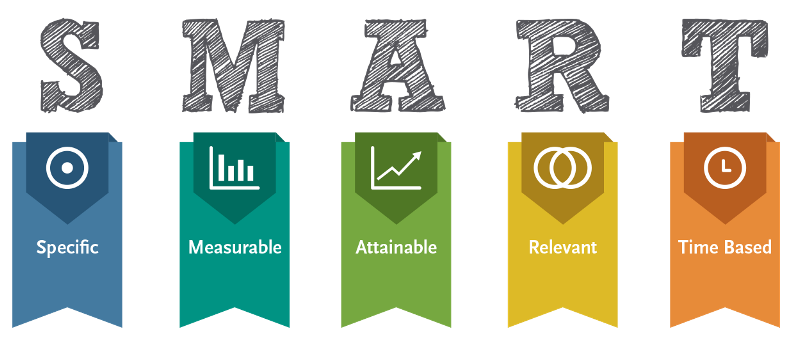
Goals can be broken down by timeframe.
- Short-term goals are things you want to achieve within a year, like saving for a new laptop or a weekend getaway.
- Mid-term goals might take one to five years. This could be saving for a down payment on a car or paying off a credit card.
- Long-term goals are for the distant future, like saving for a down payment on a home or planning for retirement.
For example, if your goal is to save 💲20,000 for a down payment on a house in five years, you have a clear target. You know you need to save about 💲333 per month. This number turns a big, intimidating goal into a series of small, manageable steps.
This is why financial planning is so important. It connects your daily spending habits to your future aspirations. When you know why you're saving, it's easier to skip that expensive coffee or wait for a sale on a new pair of shoes. Every decision becomes part of a larger plan to build the life you want.
Now, let's check your understanding of these core concepts.
What is the primary purpose of personal finance?
Which of the following are the three fundamental building blocks of a financial plan mentioned in the text?
Understanding these fundamentals is the first and most important step in taking control of your financial future.