Master Your Memory Palace
Introduction to Memory Palaces
What Is a Memory Palace?
A memory palace is a powerful technique for remembering information. It’s not a real place, but an imaginary one you build in your mind. The basic idea is to take a location you know well, like your house or your walk to work, and use it as a mental filing cabinet.
You place the things you want to remember as vivid images along a familiar route. To recall the information, you simply take a mental stroll through your palace and see the images you left there.
This technique, also known as the Method of Loci (loci being Latin for 'places'), is a type of mnemonic. Mnemonics are systems that help us recall information by associating it with something more memorable.
mnemonic
noun
A device such as a pattern of letters, ideas, or associations that assists in remembering something.
Instead of trying to memorize a dry list of facts, you turn those facts into colorful, strange, or funny images. By placing these images in a familiar setting, you anchor them to your existing spatial memories, making them much easier to find later.
A Story from Ancient Greece
The memory palace isn't a new idea. Its origin is often traced back to a story from ancient Greece, around the 5th century BC. The poet Simonides of Ceos was attending a large banquet. He stepped outside for a moment, and just then, the roof of the hall collapsed, crushing everyone inside beyond recognition.
When the families arrived to claim their loved ones, they couldn't tell who was who. But Simonides could. He closed his eyes and mentally walked through the banquet hall, remembering where each guest had been sitting. By recalling their positions, he identified every single person.
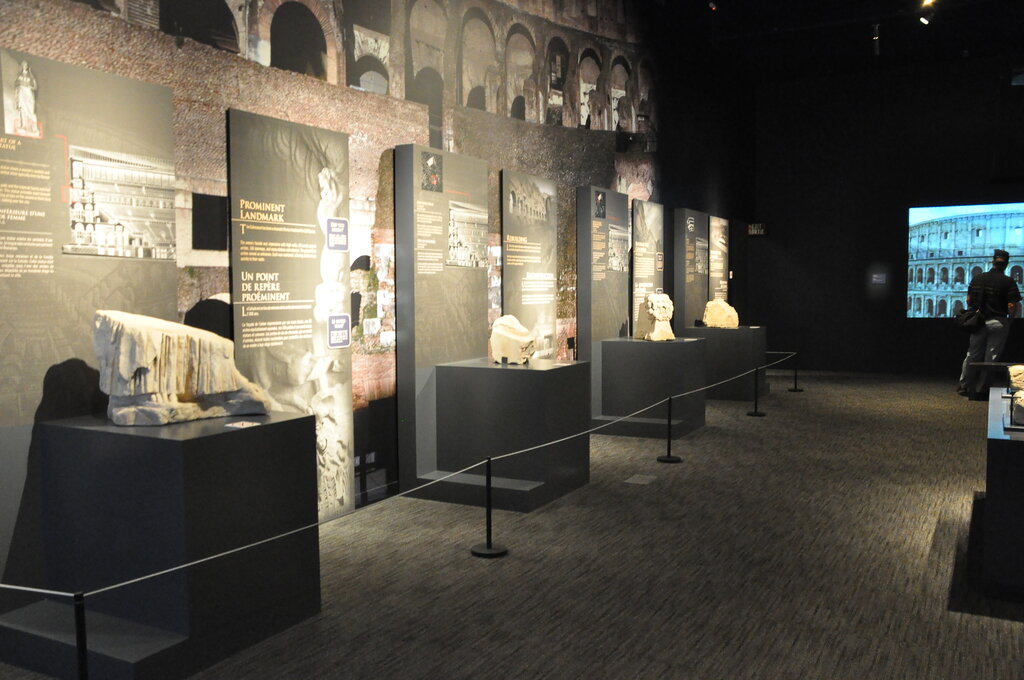
This experience gave Simonides a powerful insight: our minds are exceptionally good at remembering places. He realized that anyone could use this natural ability to remember almost anything. The technique was later adopted by Roman senators to memorize long speeches and legal arguments, making it a cornerstone of classical education.
Why It Works
The memory palace technique works by tapping into our brain's natural strengths. For our ancestors, remembering where to find food, water, or shelter was a matter of survival. As a result, our brains evolved to be highly skilled at spatial navigation and remembering layouts.
When you build a memory palace, you're hijacking this ancient, powerful system. You are linking new, abstract information (like a grocery list or historical dates) to something your brain is already an expert at: spatial memory.
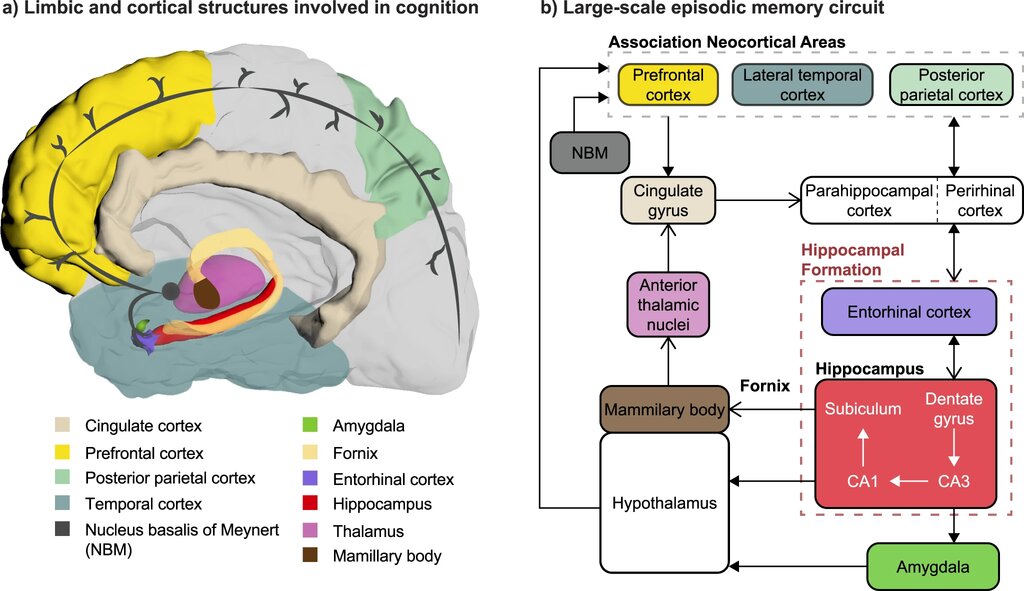
Neuroscience backs this up. The hippocampus, a region of the brain, is crucial for both navigating spaces and consolidating information from short-term to long-term memory. By visualizing a space and placing memorable images within it, you are engaging the hippocampus in a way that rote memorization doesn't. The act of creating bizarre or exaggerated mental images also helps, as our brains are wired to pay attention to and remember things that are unusual.
Modern Uses
While it's an ancient technique, the memory palace is more relevant than ever. Students use it to study for exams, memorizing everything from anatomy terms to complex formulas. Professionals use it to remember key points for presentations without relying on notes. It can even be used for everyday tasks, like remembering your shopping list or a new phone number.
Beyond simple memorization, practicing this method can improve your visualization skills, focus, and creativity. It's a mental workout that trains your brain to make connections and think in new ways. It proves that a powerful memory isn't something you're born with, but something you can build.
Ready to test what you've learned about this foundational memory technique?
What is the core principle of the memory palace technique?
The memory palace technique originated, according to legend, after the poet Simonides of Ceos was able to...