Master Your Meals Save Time and Money
Meal Planning Basics
The Power of a Plan
It’s 6 PM on a Tuesday. You’re tired, hungry, and staring into the refrigerator, hoping for inspiration. We’ve all been there. This daily scramble is exactly what meal planning helps you avoid. By deciding what you'll eat ahead of time, you reclaim your evenings from decision fatigue.
Planning and preparing meals and snacks ahead of time can save you time, reduce stress around mealtime, help improve diet quality, and help you reach and maintain a healthy body weight.
The benefits go beyond just saving time. When you plan your meals, you buy only what you need, which means less food going to waste. You also have the chance to make intentional, nourishing choices instead of grabbing the quickest, most convenient option. It’s a simple shift that puts you in control of your kitchen, your time, and your well-being.
Know Your Needs
A successful meal plan is built around you. Before you start looking up recipes, take a moment to consider your own dietary landscape. This isn't about restriction; it's about understanding what works for your body and your lifestyle.
Start with the basics. Do you have any allergies or intolerances? Are there certain foods that just don't make you feel good? On the flip side, what foods give you energy and make you feel satisfied? Think about your health goals, too. Maybe you want to incorporate more vegetables, eat more protein, or cut back on sugar. Your meal plan is the perfect tool to help you do that gradually and consistently.
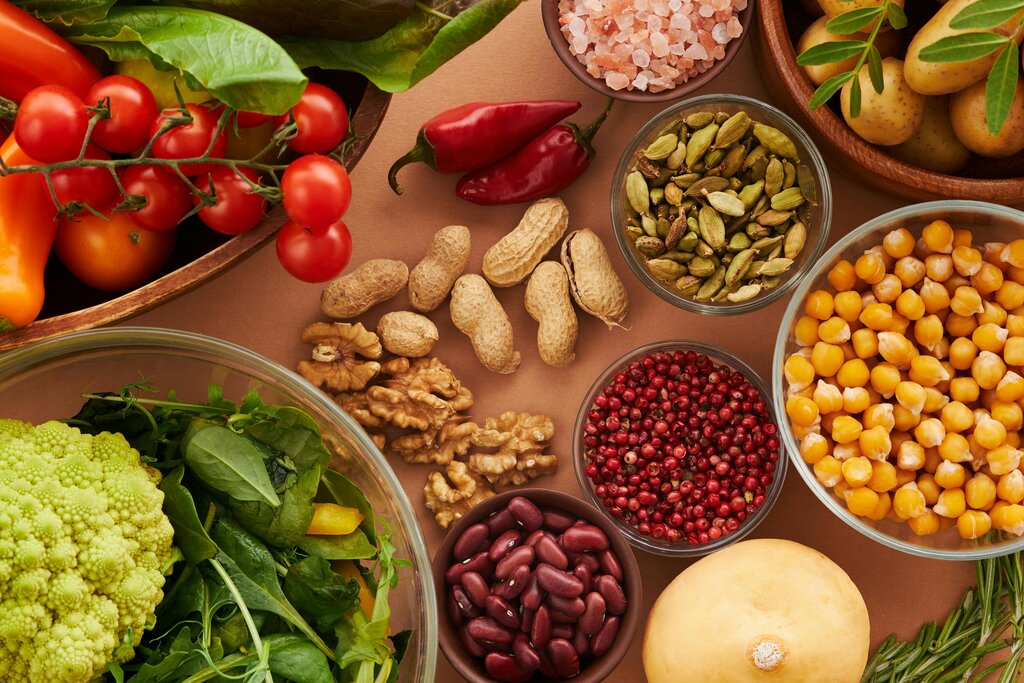
Finally, consider your tastes. A meal plan filled with food you don't enjoy is one you won't stick to. Make a quick list of your favorite go-to meals and ingredients. This will be your starting point for building a plan you can actually look forward to.
Set Simple Goals
Meal planning doesn't have to be an all-or-nothing effort. The key to making it a lasting habit is to start small and set realistic goals. Overcomplicating things at the beginning is a surefire way to get overwhelmed.
Instead of planning every single meal for the next seven days, pick one area to focus on. Maybe it's planning just your work lunches, or mapping out three dinners for the upcoming week.
Here are a few examples of simple, achievable goals:
| Goal | Action | Example |
|---|---|---|
| Beat the Scramble | Plan dinners for your 3 busiest nights. | Monday: Tacos, Wednesday: Pasta, Thursday: Leftovers |
| Eat Healthier | Plan 4 work lunches. | Salads with grilled chicken and chickpeas. |
| Reduce Food Waste | Plan 1 meal around an ingredient you already have. | Use up leftover rice in a stir-fry. |
Once you get comfortable with a small goal, you can gradually expand. The idea is to build a routine that feels helpful, not burdensome.
Create a Flexible Framework
Your meal plan should be a guide, not a rigid set of rules. Life is unpredictable, and your plan needs to be able to bend without breaking. Building in flexibility is essential for long-term success.
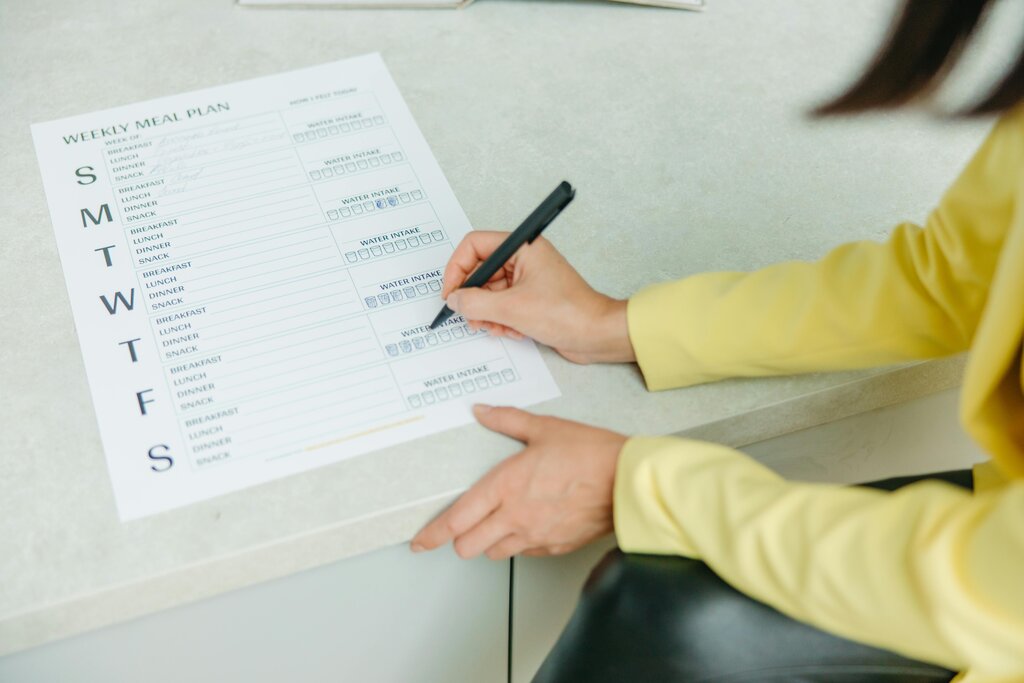
First, pick a specific time each week to sit down and plan. For many, Sunday evening works well. Grab a notebook or open a digital doc and look at the week ahead. Note any nights you'll be out, have late meetings, or know you'll be too tired to cook an elaborate meal. These are great spots for simple meals or planned leftovers.
Next, take a quick inventory of your pantry, fridge, and freezer. What do you already have that you can use? Building meals around existing ingredients is a great way to start. From there, fill in the gaps with your planned meals.
Here’s a simple template for a flexible week:
Monday: Chicken and veggie stir-fry Tuesday: Tacos (with leftover chicken) Wednesday: Leftovers or simple omelets Thursday: Spaghetti with marinara sauce Friday: Pizza night (takeout or homemade) Saturday: Wildcard! (try a new recipe or eat out) Sunday: Soup and sandwiches
Notice the built-in breaks like "Leftovers" and a "Wildcard" day. This gives you breathing room. If your plans change and you don't make the stir-fry on Monday, you can just swap it with Tuesday's meal. The goal is progress, not perfection.
According to the text, what is the primary benefit of meal planning?
When creating a meal plan, what is the recommended first step?