Master Your Inbox Zero
Understanding Inbox Zero
What Is Inbox Zero?
The phrase “Inbox Zero” might sound like a fantasy, like a perfectly clean desk that never gets cluttered. But it’s not about obsessively deleting every email the moment it arrives. It's a method for managing your email so it stops managing you.
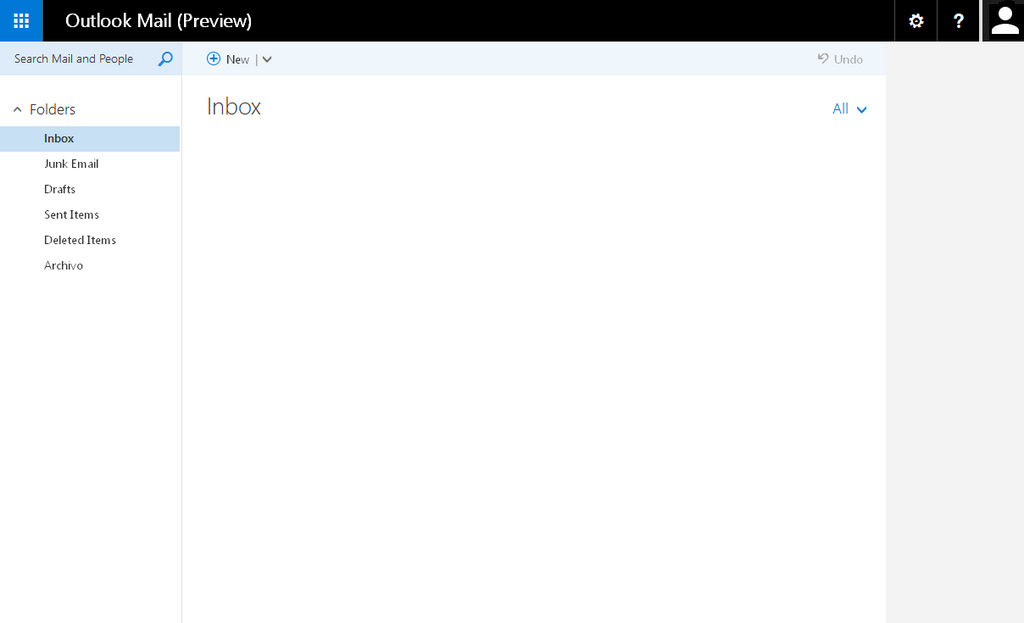
Productivity specialist Merlin Mann created the concept in the mid-2000s. He argued that an overflowing inbox is a source of constant, low-grade stress. Every unread message is another open loop in your brain, another task or decision vying for your attention. The goal isn't just to see the number zero, but to reclaim the mental energy your inbox consumes.
Inbox Zero is "a thing" created by Merlin Mann, founder of 43 Folders, that insists it is not about the amount of messages in your Outlook inbox or Gmail account, but rather how much of your brain is in that inbox.
The Core Principles
Think of your inbox like a physical mailbox. You wouldn't let letters and packages pile up for weeks, right? You bring them inside, sort through them, and put everything in its proper place. The same logic applies to your email.
The core of Inbox Zero is processing, not just checking. Every time you open your email, you should aim to empty your inbox by applying one of five actions to every message:
| Action | Description |
|---|---|
| Delete | Get rid of it. If you don't need it, don't keep it. Unsubscribe from lists. |
| Delegate | Forward it to the right person. |
| Respond | If it takes less than two minutes, answer it immediately. |
| Defer | For emails that need more time, move them to a separate to-do list or folder. |
| Do | If it's a quick task, do it right away. |
By following these steps, you prevent emails from sitting around and becoming a source of distraction. Your inbox returns to its original purpose: a place for incoming messages, not a permanent home for them.
The first rule of Inbox Zero is that your email inbox is not a storage place or a to-do list. It's a temporary holding area.
Why It's Worth It
Maintaining a clear inbox has powerful psychological benefits. It reduces the feeling of being overwhelmed. Instead of facing a wall of unread messages, you have a clear, manageable space. This clarity allows you to focus on your actual priorities without the constant nagging feeling that you’re forgetting something in your email.
When your inbox is under control, you feel more in command of your day. You can find important information faster and respond to people more thoughtfully because you aren't digging through digital clutter. It transforms email from a reactive chore into a proactive tool.
Common Misconceptions
Some people hear “Inbox Zero” and immediately dismiss it. They think it’s an obsessive, time-consuming quest for an empty screen. But that's a misunderstanding of the philosophy.
It’s not about hitting zero every single day, without fail. It's about having a reliable system to process what comes in. For some, “zero” might mean five or ten emails that are designated for follow-up. The number isn't the point; the control is.
Another critique is that it's impossible for people with high email volume. While it can be more challenging, the principles actually become more valuable. A system for delegating, deferring, and deleting is essential when you’re dealing with hundreds of messages a day. Without a system, the inbox is guaranteed to become a source of chaos.
Reaching inbox zero isn’t just about not having any unprocessed messages; it’s about the clarity and peace of mind that come with it.
Ready to test your knowledge about the Inbox Zero philosophy?
What is the primary goal of the Inbox Zero philosophy?
Who is credited with creating the concept of Inbox Zero?
Ultimately, Inbox Zero is a mindset. It’s about treating your inbox as a tool to be managed, not a taskmaster that dictates your focus. By processing your email with intention, you can reclaim your time and attention for the work that truly matters.