Master Your Home Budget
Understanding Income
Where Your Money Comes From
Before you can budget, save, or invest, you need a clear picture of what you're bringing in. This is your income. For most people, income starts with a paycheck from a job, but it can come from many different places. Understanding each source is the first step toward managing your money effectively.
income
noun
Money received on a regular basis, from work or through investments.
Income generally falls into two main categories: active and passive.
Active income is money you earn by doing something. This includes:
- Salaries and Wages: A fixed amount paid regularly (salary) or money earned based on hours worked (wages).
- Bonuses and Commissions: Extra money paid for good performance or for making a sale.
- Tips: Money earned in service jobs, often from customers.
- Side Hustles: Earnings from a freelance gig or a small business you run on the side.
Passive income is money you earn with minimal ongoing effort. Setting it up might take work, but it eventually generates money on its own. Examples include:
- Investment returns: Money from stocks, bonds, or mutual funds.
- Rental income: Money from tenants if you own property.
- Royalties: Payments from creative work like a book or a song.
Knowing all your income sources, big and small, gives you the full picture of your financial resources.
Gross vs. Net Income
When you get a job offer, you're usually told your gross income. This is the total amount of money you earn before anything is taken out. It’s the big, impressive number. But it’s not the amount that actually hits your bank account.
The money you can actually spend is your net income, often called take-home pay. This is what's left after taxes and other deductions are subtracted from your gross pay. The difference can be significant.
The basic formula is simple:
Let’s break down what those deductions are.
Taxes and Other Deductions
Deductions are the costs subtracted from your paycheck. Some are mandatory, while others are voluntary.
The biggest deductions for most people are taxes. These are required payments to federal, state, and sometimes local governments. Common payroll taxes include:
- Federal Income Tax: A tax on your earnings that funds the U.S. government.
- State and Local Income Tax: Similar to federal tax, but for your state and/or city (some states have no income tax).
- FICA Taxes: This includes Social Security and Medicare taxes, which fund retirement and healthcare programs for seniors.
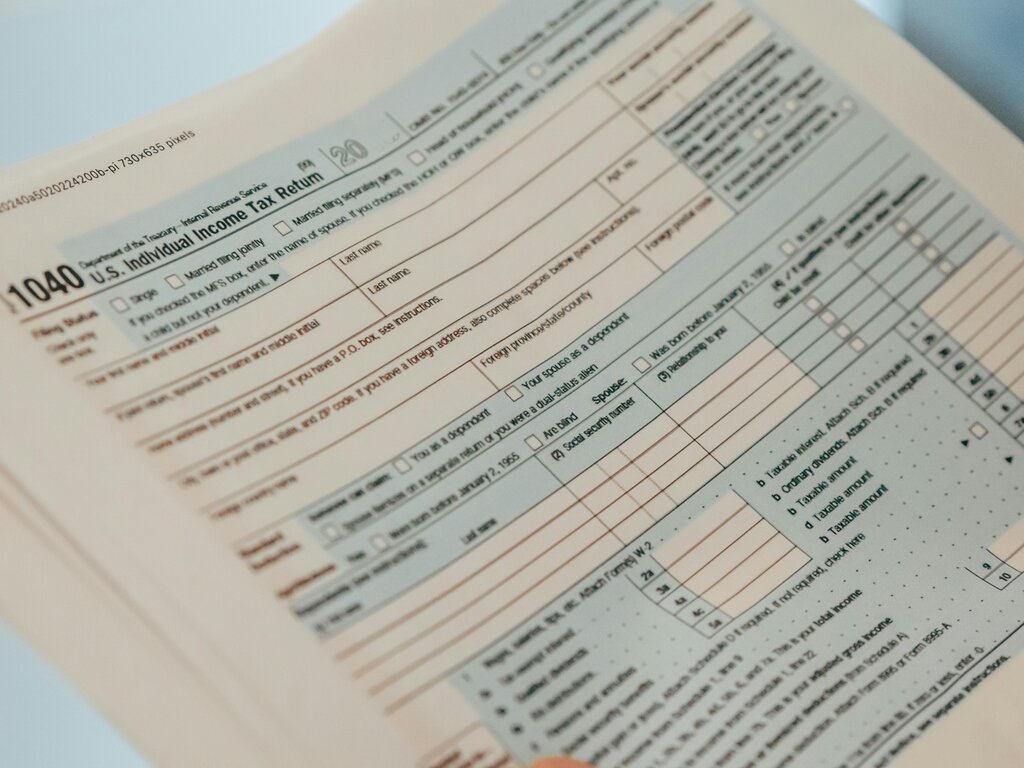
Besides taxes, you might have other deductions taken from your paycheck. These often include payments for benefits your employer offers.
Here’s an example of how a paycheck might break down for someone with a gross monthly income of $4,000.
| Category | Amount |
|---|---|
| Gross Monthly Income | $4,000.00 |
| Deductions | |
| Federal Income Tax | -$450.00 |
| State Income Tax | -$200.00 |
| Social Security | -$248.00 |
| Medicare | -$58.00 |
| Health Insurance Premium | -$150.00 |
| 401(k) Retirement Savings | -$200.00 |
| Total Deductions | -$1,306.00 |
| Net Monthly Income | $2,694.00 |
In this scenario, over $1,300 is deducted, leaving a net income of about $2,700. This is the actual amount available for budgeting monthly expenses like rent, groceries, and transportation.
Understanding this difference is crucial. Basing your budget on your gross income will lead to overspending, because that money was never yours to begin with. Always build your financial plans around your net income.
Ready to check your understanding?
Your total earnings before any taxes or other costs are taken out is called your...
Money you earn from a rental property you own is considered a form of passive income.
Now that you have a firm grasp on where your money comes from and how it's measured, you're ready to start putting it to work.