Master Your Digital Security with Password Managers
Understanding Password Security
Your First Line of Defense
Think of a password as the key to your digital home. A simple, common password like "123456" or "password" is like leaving a basic, easy-to-pick lock on your front door. It might stop someone who casually tries the knob, but it won't deter a determined intruder for long.
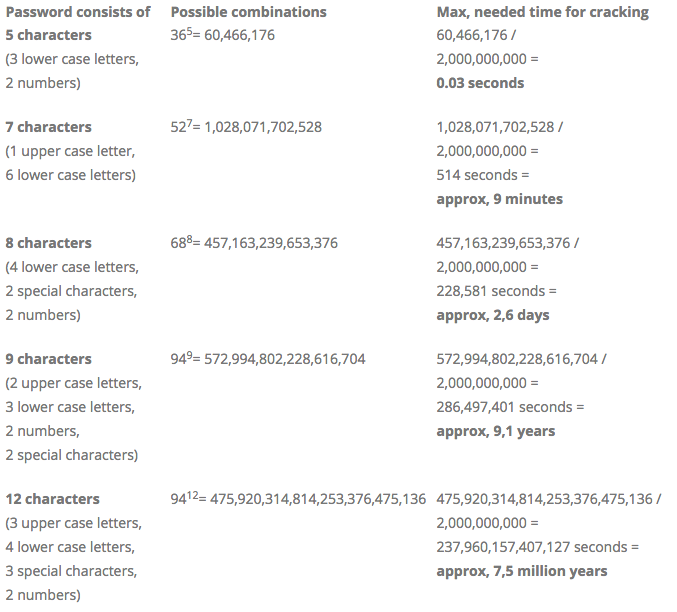
Weak passwords are easy for computers to guess. Hackers use automated programs that can try billions of combinations per second. A short, simple password can be cracked almost instantly.
The single biggest mistake people make is reusing the same password across multiple websites. Imagine using the same key for your house, your car, and your office safe. If a thief steals that one key, they suddenly have access to everything you own.
This is exactly what happens online. When one service suffers a data breach, hackers get a list of usernames and passwords. They know people reuse credentials, so they take that list and try it on other popular sites, like your email, bank, or social media accounts. This automated attack is called credential stuffing.
Credential Stuffing
noun
An automated cyberattack where stolen account credentials (usernames and passwords), typically from a data breach, are used to gain unauthorized access to other user accounts on different websites.
Another common threat is phishing. This is when an attacker tries to trick you into giving them your password. They might send you an email that looks like it's from a legitimate company, like your bank, asking you to log in to your account through a link they provide. The link leads to a fake website designed to steal your credentials the moment you type them in.
Phishing attacks rely on deception. Always be skeptical of unexpected emails or messages that ask for your login information, especially if they create a sense of urgency.
Building a Strong Password
So, what makes a password strong? It comes down to four key characteristics.
| Characteristic | Why It Matters |
|---|---|
| Length | This is the most important factor. Every character you add makes a password exponentially harder to crack. Aim for at least 12 characters. |
| Complexity | Use a mix of uppercase letters, lowercase letters, numbers, and symbols (like !, @, #, $). This increases the number of possible combinations. |
| Uniqueness | Never reuse passwords. Every account should have its own unique password to prevent credential stuffing attacks from compromising your other accounts. |
| Unpredictability | Avoid using personal information like your name, birthday, or pet's name. Don't use common dictionary words or predictable patterns like "qwerty" or "1234abcd". |
A strong and unique password is your first line of defense against unauthorized access to your accounts and sensitive information.
Creating and remembering passwords that meet all these criteria for every single online account is a huge challenge. That’s why the next step in securing your digital life involves using a tool designed for the job.
Using a simple password like "password" is similar to what real-world security mistake?
What is the name for the automated attack where hackers use lists of stolen credentials from one data breach to try and log into other unrelated services?
Understanding these threats and the principles of a strong password is the foundation of good digital security. By avoiding common pitfalls, you make it much harder for anyone to gain unauthorized access to your accounts.