Master Your Digital Security with Password Managers
Understanding Password Security
The Keys to Your Digital Life
Think of a password as a key. It doesn't just open an app or a website; it unlocks a part of your life. Your email, your bank account, your social media—each is a room in your digital house, and each needs its own secure lock.
A strong password is the first and most important line of defense against someone unwanted getting in. It's the difference between a flimsy screen door and a reinforced steel one. The goal is to make it so difficult for an intruder to guess or crack your password that they simply give up and move on.
A strong password is long, complex, and unpredictable. It mixes uppercase and lowercase letters, numbers, and symbols.
The Dangers of a Simple Lock
So what makes a password weak? Predictability. If your password is password123, qwerty, or your pet's name, it’s like leaving your key under the doormat. Hackers use automated programs that can try millions of these common combinations in seconds. This is called a brute-force attack.
The longer and more random your password is, the longer it takes for these programs to guess it. Adding just a few characters or a symbol can increase the cracking time from minutes to centuries.
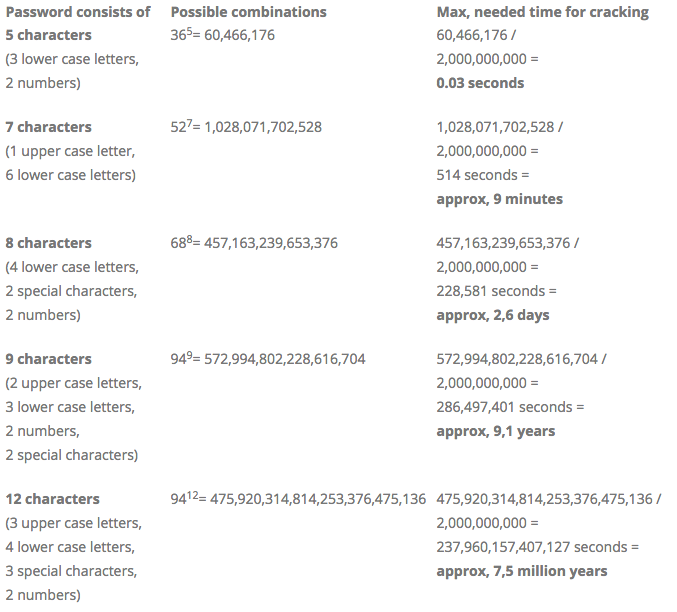
As you can see, a short, simple password can be broken almost instantly. But a 12-character password with a mix of character types could take millions of years for a computer to guess. That's the power of complexity.
The Password Domino Effect
Now, imagine you have a master key that unlocks your house, your car, and your office. It's convenient, but if you lose that key, you've lost everything. Reusing the same password across multiple websites is the digital equivalent of that master key.
Data breaches happen all the time. When a company you have an account with gets hacked, the attackers often leak lists of usernames and passwords. They then use automated programs to try those exact same email and password combinations on other popular sites, like banking or email services. This is called credential stuffing.
If you use the same password everywhere, a breach at one minor website you forgot you even signed up for can lead to a compromise of your most important accounts.
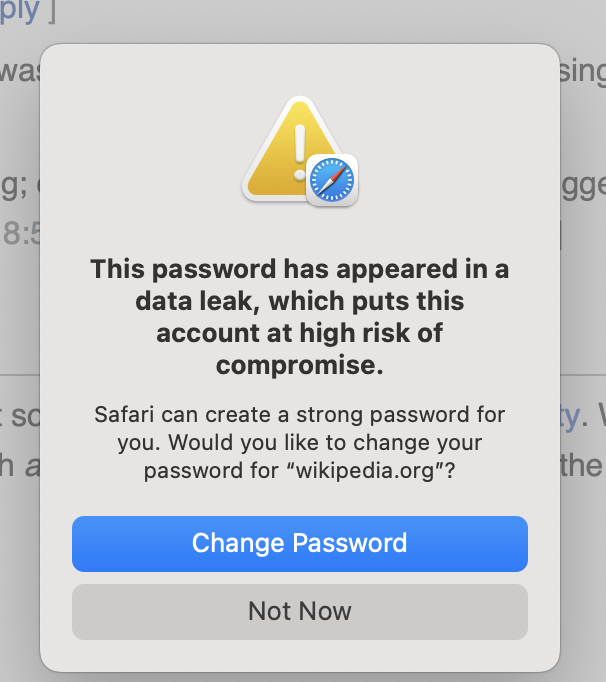
The consequences can be severe, ranging from stolen financial information and identity theft to someone impersonating you online and damaging your reputation. It's a chain reaction that all starts with a single, reused password.
They're taking advantage of one of the most common security mistakes people make online: using the same password in multiple places, said Kevin Gosschalk, founder and CEO of the cybersecurity firm Arkose Labs, which protects companies against online fraud.
The single most effective habit you can build for your online security is creating a unique, strong password for every single account you own. It stops the domino effect before it can start.
Which of the following best describes a "brute-force attack"?
The primary danger of reusing the same password across multiple websites is related to a practice called:
Protecting your digital life starts with these fundamentals. By understanding the risks, you can take simple steps to build a strong defense.