Master Your Digital Security with a Password Manager
Understanding Password Security
Your First Line of Defense
Think of all the online accounts you have: email, banking, social media, shopping. Each one is a door to your personal information, and the password is the key. A strong password acts like a complex, unique lock, while a weak one is like leaving the door wide open.
A strong password isn't just a random jumble of characters, though that helps. It has three key ingredients:
- Length: Longer is always better. Aim for at least 12-15 characters.
- Complexity: It should include a mix of uppercase letters, lowercase letters, numbers, and symbols (like !, @, or #).
- Uniqueness: It must be used for one account and one account only.
Weak passwords are the opposite. They are short, predictable, and often contain personal information like your name, birthday, or pet's name. Things like "password123" or "Fluffy2024" are easy for you to remember, but they're also incredibly easy for an attacker to guess.
The Domino Effect of a Bad Password
The biggest mistake people make is reusing passwords. You might think, "What's the harm if I use the same password for my email and that small online forum I signed up for years ago?" The harm is enormous.
Websites get hacked all the time. When a site like that forum is breached, attackers collect lists of usernames and passwords. They then use automated software to try those same login combinations on more important sites, like your email or bank. This attack is called credential stuffing, and it's shockingly effective.
If your reused password works, the attackers are in. They can access your email, reset passwords for your other accounts, and potentially steal your identity or money. One weak link in your security chain can cause everything to fall apart.
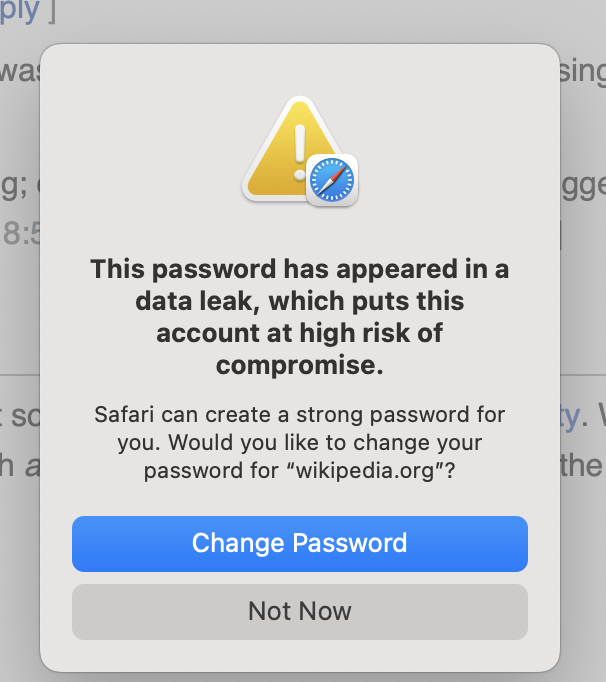
Statistics consistently show that the majority of data breaches are due to weak, stolen, or reused passwords. Hackers don't need to be geniuses; they just need to exploit common human habits.
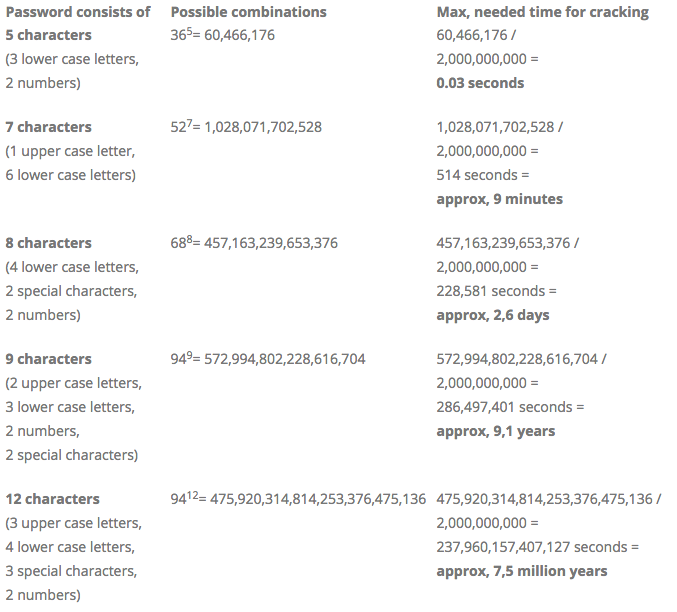
They also use brute-force attacks, where a computer program tries millions of password combinations per second until it finds the right one. A short, simple password can be cracked almost instantly. A long, complex one could take centuries.
The Memory Game You Can't Win
So, the advice is clear: use a long, complex, and unique password for every single online account. But here's the problem. The average person has dozens, if not hundreds, of online accounts. How can anyone possibly create and remember that many unique, complex passwords?
The simple answer is, they can't. Our brains aren't built to remember random strings like t8#Zk!vP$4sF@rQ. This leads people to fall back on bad habits: using simple patterns, writing passwords on sticky notes, or, worst of all, reusing them.
This creates a fundamental conflict. The needs of good security are at odds with the limits of human memory. It's a puzzle that seems impossible to solve on your own.
Every account needs a strong, unique password. But humans are bad at creating and remembering them. This is the core challenge of password security.
Now, let's test your understanding of these core security concepts.
According to security best practices, what are the three essential characteristics of a strong password?
What is the primary danger of reusing the same password for multiple websites?
Understanding these risks is the first step toward protecting your digital life. The key is to recognize that relying on memory alone is a flawed strategy.