Master Your Digital Security with a Password Manager
Understanding Password Security
The Trouble with Weak Passwords
Your password is the front door key to your digital life. If it's simple, like "password123" or your pet's name, you're leaving that door unlocked. Hackers use automated programs that can guess millions of passwords in seconds. If a password is short and uses common words, it won't last long against these attacks.
The other big risk is password reuse. It's tempting to use the same password for multiple websites, but it's a huge security risk. If one of those sites has a data breach and your password is leaked, attackers will try that same email and password combination on other popular services, like your bank or email account. This is called "credential stuffing," and it's a very common way accounts get compromised.
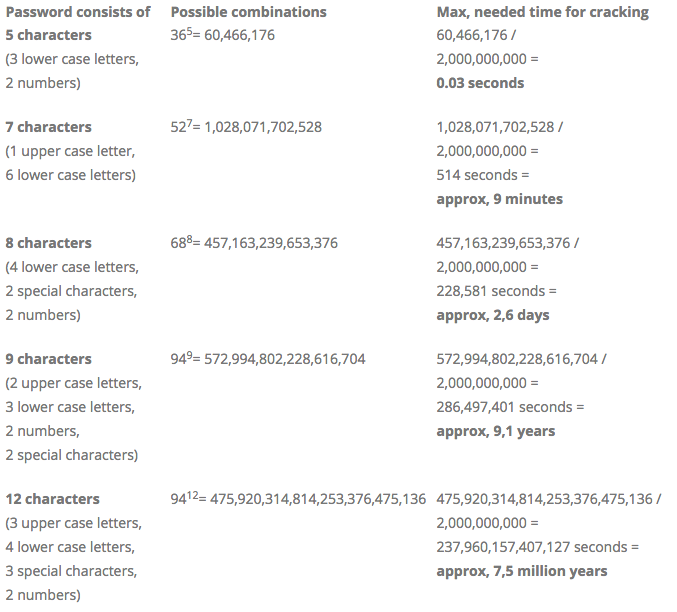
Once someone gets into your account, they can access your personal information, steal your money, or impersonate you. A weak password isn't just a minor inconvenience; it's a serious vulnerability.
Building a Better Password
So what makes a password strong? Two things: length and complexity. A long password is much harder to guess than a short one. Each additional character makes it exponentially more difficult for a computer to crack. Complexity means using a mix of uppercase letters, lowercase letters, numbers, and symbols (like !, @, or #).
A strong password is at least 12 characters long and includes a mix of uppercase letters, lowercase letters, numbers, and symbols.
Remembering something like Tr0ub4dor&3 is tough. A better approach is to create a passphrase. This is a sequence of words that's easy for you to remember but hard for a computer to guess. The key is length. A phrase like "correct horse battery staple" is incredibly strong simply because it's long, even without special characters.
| Weak Password | Strong Passphrase |
|---|---|
Fluffy1 | GreenKittenJumpsHigh |
QWERTY!@# | MyFirstCarWasABlueWagon |
Your Digital Keyring
The golden rule of password security is to use a different, strong password for every single account. But how can anyone possibly remember dozens of unique, complex passwords? You don't have to.
A password manager is an application that acts like a secure digital vault for all your passwords. You only need to remember one strong "master password" to unlock the vault. The manager does the rest. It can generate long, random passwords for new accounts and automatically fill them in when you log into websites.
A password manager simplifies password use across different sites, helping users create and manage strong and unique passwords to keep them more secure.
By using a password manager, you can have a unique, unguessable password for every service without having to memorize anything except your one master password. This single tool dramatically boosts your online security.
An Extra Layer of Security
Even the strongest password can be stolen in a data breach. That's why there's another crucial layer of defense: Multi-Factor Authentication, or MFA. You've probably used it before, even if you didn't know its name.
MFA requires you to provide two or more pieces of evidence to prove you are who you say you are. Think of it like a bank vault that requires both a key and a combination. Your password is the key, and the second factor is the combination.
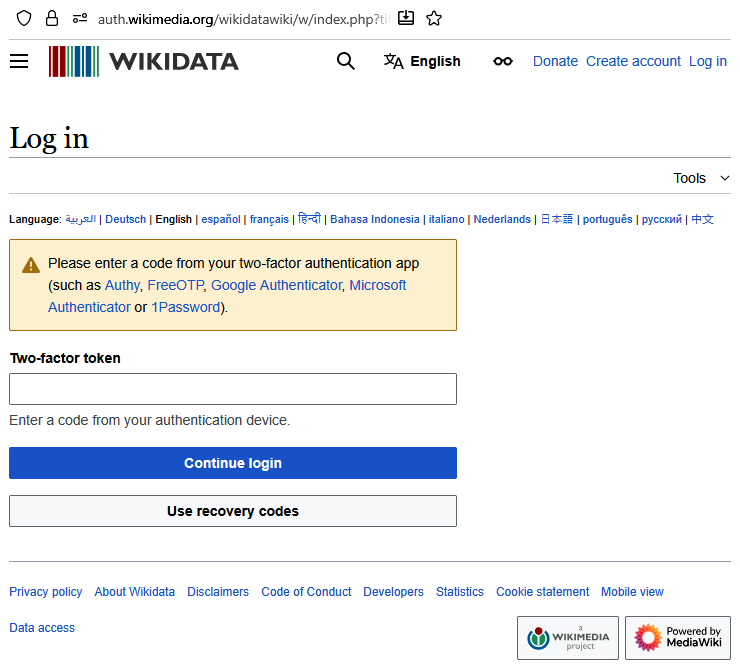
This second factor is usually something you have, like a code generated by an app on your phone, a text message with a one-time code, or a physical security key. Even if a hacker steals your password, they can't get into your account without also having your phone or security key. You should enable MFA on every account that offers it.
Now let's review what you've learned about keeping your accounts secure.
Why is using a common word or a simple pattern like "password123" a major security risk?
The security risk of using the same password for multiple websites is known as...
By creating strong passphrases, using a password manager, and enabling MFA, you can build a powerful defense for your digital life.