Master Your Digital Fortress
Understanding Password Security
Your First Line of Defense
Think of a password as the key to a part of your digital life. Your email, social media, and bank account each have a door, and the password is the key that opens it. A weak, common password like "123456" or "password" is like leaving a flimsy, basic key under the doormat. It’s easy for anyone to find and use.
A strong password, on the other hand, is like a complex, unique key combined with a heavy-duty deadbolt. It's much harder for an intruder to duplicate or break.
The strength of a password isn't just about using weird symbols. It's about its length and randomness. A short, simple password can be guessed by a computer in seconds. A longer, more complex one could take centuries. Your goal is to make your password so difficult to guess that it's not worth an attacker's time to even try.
How Attackers Break In
Cybercriminals use automated tools to break into accounts. Two of the most common methods rely on weak or reused passwords.
Brute Force Attack
noun
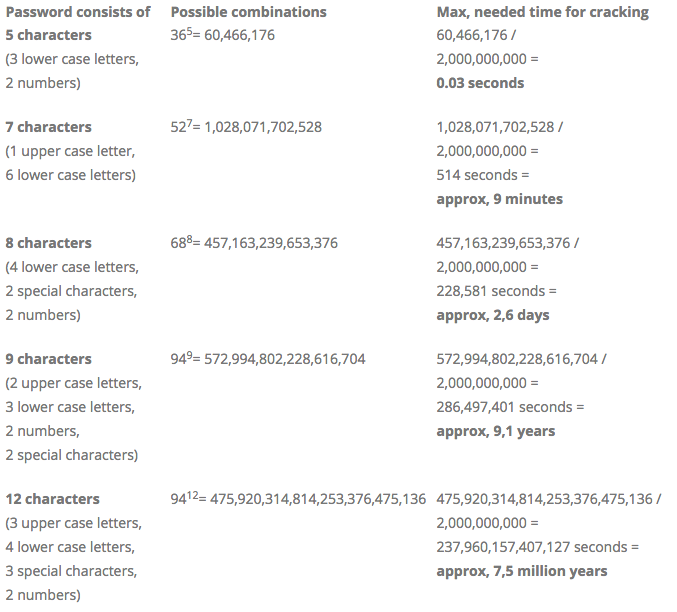
An attack where a computer program tries every possible combination of characters until it guesses the correct password. The longer and more complex a password is, the longer a brute force attack takes.
As you can see below, adding just a few characters to your password can increase the time it takes to crack it from seconds to thousands of years.
Another common method is credential stuffing. This happens after a major data breach at a company. Attackers take the leaked list of usernames and passwords and "stuff" them into the login forms of other popular websites, like banking or social media sites. They're betting that people reuse the same password everywhere. If you do, a breach on one insecure website can give them the keys to your entire digital life.
The Ripple Effect of a Weak Password
When an attacker gets into one of your accounts, they don't just stop there. They use that access as a launchpad.
For example, if they get into your email, they can trigger password resets for all of your other accounts. They can read your private messages, access sensitive documents, and impersonate you to scam your friends and family. A single compromised password can quickly spiral into identity theft, financial loss, and a major invasion of your privacy.
The things that are very important from a security standpoint, are your financial information, your health information and your email, which is used as a trigger mechanism to reset all passwords.
Building a Better Password
To combat these threats, many websites enforce password policies. These are minimum requirements for creating a password, such as a minimum length or the inclusion of numbers and symbols. These rules are designed to force users to create passwords that are harder to guess.
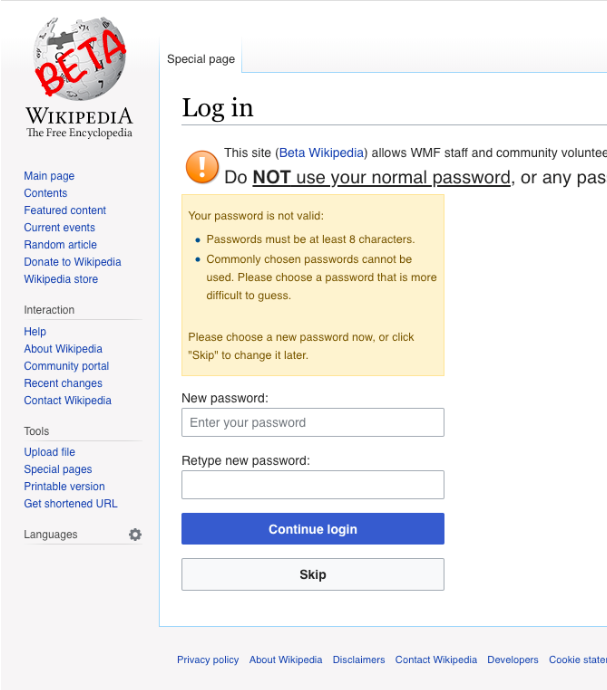
These policies are a good starting point, but they are just the minimum. The best practice is to go beyond them. A great way to create a strong and memorable password is to use a passphrase. This is a password made up of several unrelated words strung together, like CorrectHorseBatteryStaple. It's long, making it resistant to brute force attacks, but it's much easier for a human to remember than a random string like Tr0ub4dor&3.
Remember these key guidelines:
- Length is key: Aim for at least 12 characters, and more is always better.
- Be unique: Use a different password for every single account.
- Mix it up: Combine uppercase letters, lowercase letters, numbers, and symbols.
- Avoid the obvious: Don't use personal information like your name, birthday, or pet's name. Avoid common words and sequential numbers.
Let's test what you've learned about password security.
According to security best practices, what is the most important characteristic of a strong password?
What is 'credential stuffing'?
Creating strong, unique passwords is one of the simplest and most effective steps you can take to protect yourself online. It’s your personal, frontline defense against a wide range of cyber threats.