Master Your Digital Footprint
Understanding Digital Footprints
Your Digital Trail
Every time you go online, you leave behind a trail of information. Think of it like walking on a sandy beach. With every step, you leave a footprint. On the internet, these traces are called your digital footprint. It's the collection of all your online activities, from the websites you visit to the emails you send.
Your digital footprint is the trail of data you leave across the internet—what you post, where you click, what others post about you, and what companies collect in the background.
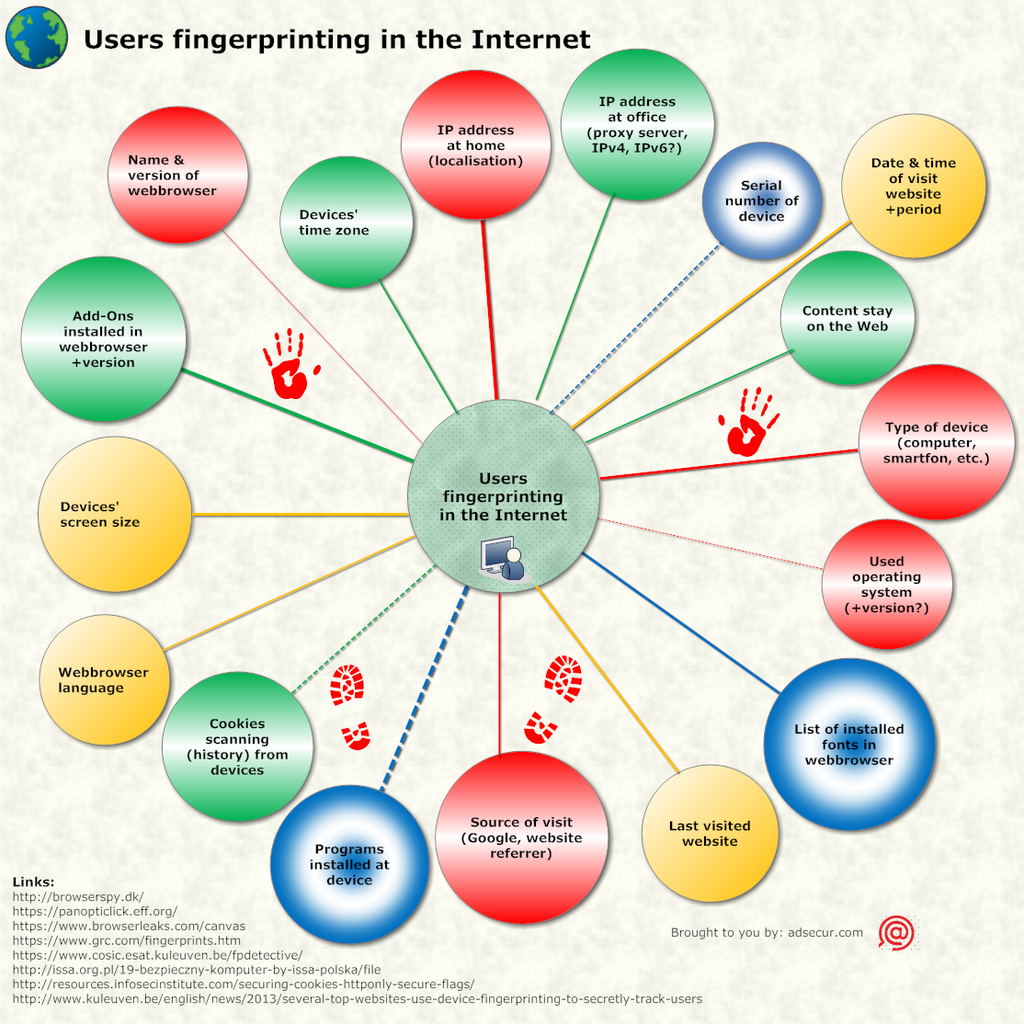
This trail isn't just one single path. It's a complex web of data created by you and about you. Some of it you create on purpose, while other parts are collected without you even noticing. This leads to two distinct types of digital footprints: active and passive.
Active vs Passive Footprints
An active digital footprint is the data you intentionally share online. It's the information you knowingly post or submit. This includes things like:
- Posting updates, photos, or videos on social media platforms.
- Commenting on a blog post or news article.
- Filling out an online form to subscribe to a newsletter.
- Sending an email to a friend or colleague.
Your active footprint is the digital you that you choose to present to the world.
A passive digital footprint, on the other hand, is a trail of data you leave unintentionally. It’s information that's collected about you in the background, often without your direct knowledge. Examples of this include:
- Websites using cookies to track your activity across different pages.
- Apps and websites collecting your IP address, which reveals your general location.
- Social media platforms tracking which posts you linger on, even if you don't 'like' or comment.
- Your search history on engines like Google.
Most people are aware of their active footprint but are less conscious of their passive one, which can be much larger and more revealing.
Why Your Footprint Matters
Your digital footprint has significant implications for both your privacy and your reputation. Companies collect this data to build a profile of your interests, habits, and personal details. This information is then used for targeted advertising, but it can also be sold to other companies or even stolen in a data breach. The more information that is out there about you, the more vulnerable you are.
Beyond privacy, your digital footprint shapes your online reputation. Before offering someone a job or admitting them to a university, it's common for recruiters and admissions officers to search for them online. What they find—or don't find—creates an impression.
A single inappropriate photo posted years ago, an angry comment on a forum, or even misleading information posted by someone else can have real-world consequences. Conversely, a positive and professional online presence can open doors and create opportunities. Your digital footprint is, in many ways, your modern-day resume and character reference rolled into one.
Now, let's review what you've learned about your digital trail.
Which of the following is an example of creating an ACTIVE digital footprint?
The collection of all your online activities, from websites you visit to emails you send, is called your digital ____.
Understanding your digital footprint is the first step toward managing your online identity. By being mindful of the trail you leave, you can better protect your privacy and shape your reputation.