Master Your Digital Footprint
Understanding Digital Footprints
Your Trail on the Web
Every time you go online, you leave behind traces of your activity. Think of it like walking on a sandy beach. You leave footprints that show where you’ve been. In the digital world, this trail is your digital footprint. It’s the collection of all your online actions, from the websites you visit to the emails you send.
Your digital footprint is the trail of data you leave across the internet—what you post, where you click, what others post about you, and what companies collect in the background.
This trail isn't just one thing. It’s made up of hundreds or even thousands of small data points. Together, they paint a detailed picture of who you are, what you like, and how you live. Understanding this footprint is the first step toward managing your online identity.
Active and Passive Traces
Your digital footprint has two sides: active and passive. They're created in very different ways.
An active footprint is what you share on purpose. A passive footprint is data you leave behind without realizing it.
Active footprints are made when you deliberately share information about yourself. This includes:
- Posting updates or photos on social media.
- Filling out an online form to subscribe to a newsletter.
- Leaving a comment on a blog or a review on a product page.
- Sending an email or an instant message.
In these cases, you are knowingly putting your information out there.
Passive footprints are created when data is collected about you without your direct action. This often happens in the background. Examples include:
- Websites using cookies to track your activity across different pages and sites.
- Apps collecting data about your location or how you use your device.
- Your IP address being logged when you visit a website, revealing your general location.
- Your search history being stored by search engines.
Most of your digital footprint is passive. While you're aware of the photos you post, countless bits of data are being collected quietly as you browse.
The Data Marketplace
So, where does all this information go? Much of it is collected, packaged, and sold by companies called data brokers. These are businesses that create detailed profiles of individuals by gathering information from thousands of sources, both online and offline.
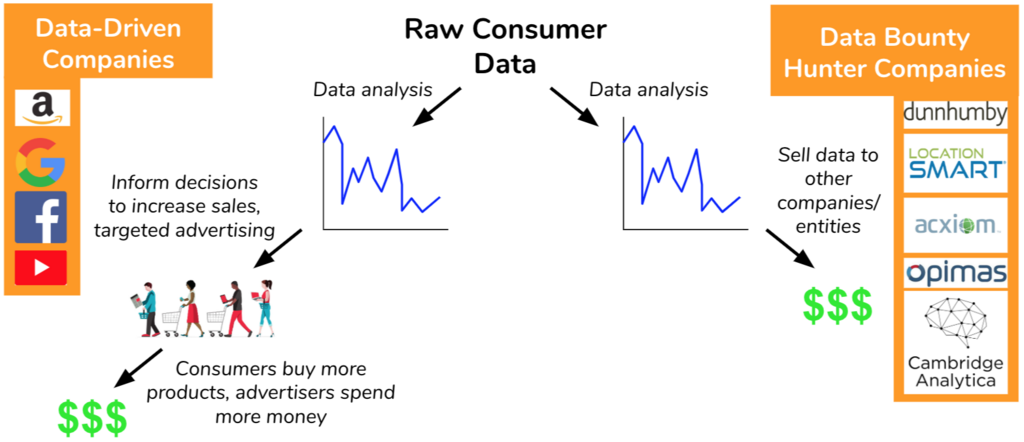
Data brokers get information from public records, social media, and your browsing history. They buy loyalty card data from stores and location data from mobile apps. They then combine these pieces to build a comprehensive profile that might include your age, income, hobbies, health concerns, and political leanings.
These profiles are then sold to other companies for purposes like targeted advertising, credit scoring, or even determining insurance rates. The entire industry operates largely out of public view, making it difficult to know who has your data and what they're doing with it.
Privacy and Reputation
Your digital footprint has significant real-world consequences, mainly for your privacy and your reputation.
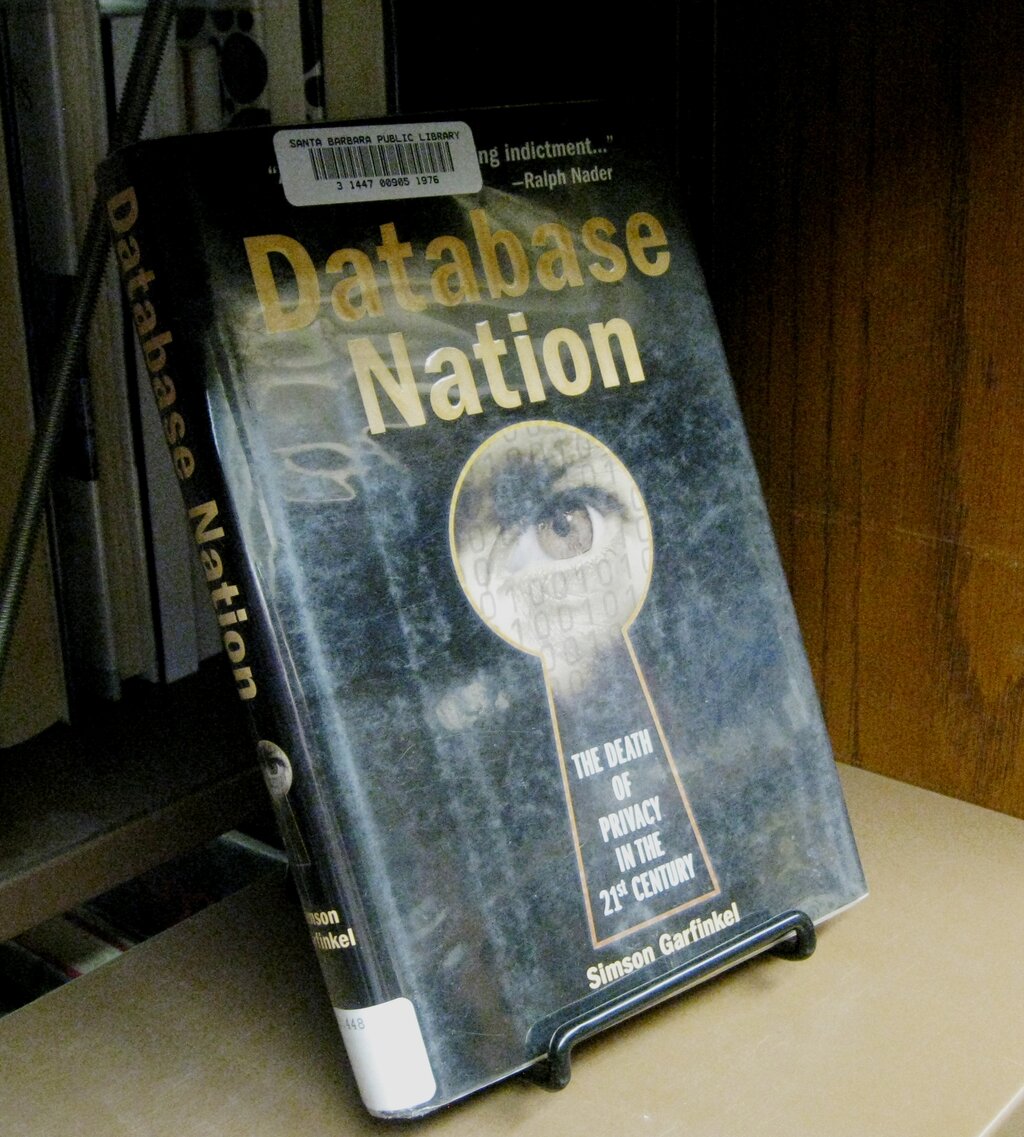
From a privacy standpoint, the more information about you that exists online, the more vulnerable you become. A large footprint can make you an easier target for identity theft, phishing scams, and unwanted marketing. It erodes your ability to control who knows what about you.
Your reputation is also at stake. Employers, universities, and even potential romantic partners often search for people online to learn more about them. What they find—your photos, your comments, your online affiliations—forms their impression of you. An old, embarrassing post or an out-of-context comment can have lasting effects on your personal and professional life.
Your digital footprint is essentially your online persona. It tells a story about you whether you want it to or not.
Now that you understand the basics of a digital footprint, let's check your knowledge.
Which of the following best describes a 'digital footprint'?
Sending an email to a friend is an example of what kind of digital footprint?
Your digital footprint is a permanent record of your life online. Knowing what it is and how it’s created gives you the power to start shaping your digital identity.