Master Your Digital Footprint
Understanding Digital Footprints
Your Digital Trail
Every time you go online, you leave behind a trail of information. Think of it like footprints in the sand. This trail is your digital footprint, a unique collection of data about your online activities, choices, and identity.
Your digital footprint is the trail of data you leave across the internet—from social posts and search queries to purchase histories and passive tracking by websites and apps.
This data isn't just one thing. It's a combination of information you share on purpose and data that's collected in the background, often without you even thinking about it. These two methods create two different kinds of footprints.
Active vs Passive Footprints
Your active digital footprint is created when you intentionally share information about yourself. This includes sending an email, publishing a blog post, or posting on social media. You are the one taking the action to put this data out into the world.
Your passive digital footprint is a trail of data you create unintentionally, simply by using the internet. Websites can log your IP address, track how you move through their pages, and see what you search for. This happens in the background while you browse.
| Type | How It's Created | Examples |
|---|---|---|
| Active | You deliberately share information. | Social media posts, forum comments, emails. |
| Passive | Data is collected without direct action. | Website cookies, browsing history, location tracking. |
Together, these active and passive traces paint a detailed picture of who you are.
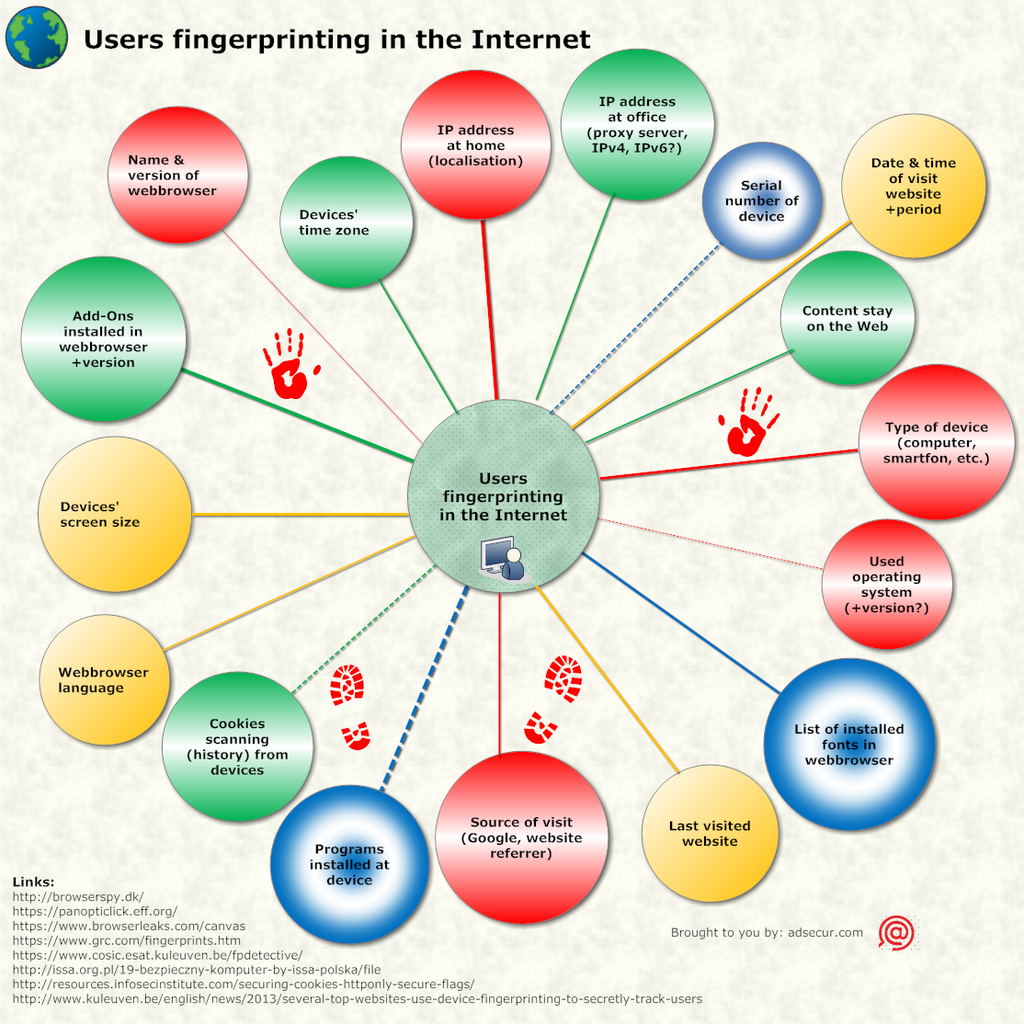
Why Your Footprint Matters
Your digital footprint has real-world consequences for both your privacy and your reputation. Companies use this data to target ads and personalize your online experience. While this can be convenient, it also means your personal habits are being tracked and analyzed.
Your reputation is also on the line. Potential employers, college admissions officers, and even new acquaintances might search for you online. What they find forms their first impression. A positive, professional footprint can open doors, but a negative one can close them just as quickly.
Everything you post online contributes to your personal brand. Managing your digital footprint is like tending to a garden; it requires regular attention to ensure it reflects who you want to be.
Understanding what your footprint is and how it's created is the first step toward managing it. By being mindful of what you share and aware of how your data is collected, you can take control of your online identity.
When you know the boundaries of your digital footprint, and take steps to control it, you can protect your identity and your reputation.
Let's check your understanding of these concepts.
Which of the following best defines a digital footprint?
Sending an email to a friend contributes to which type of digital footprint?
Being aware of your digital trail is key to navigating the online world safely and effectively.