Master Your Digital Footprint
Understanding Digital Footprints
What Is a Digital Footprint?
Every time you go online, you leave behind traces of your activity. Think of it like walking on a sandy beach. You leave footprints that show where you’ve been. In the digital world, this trail is your digital footprint.
Your digital footprint is the trail of data you leave across the internet—what you post, where you click, what others post about you, and what companies collect in the background.
This trail is made up of all the information generated by your online actions. It includes everything from the websites you visit and the emails you send to the photos you post on social media. Unlike footprints in the sand, your digital trail doesn't easily wash away. It’s collected, stored, and often analyzed by others.
The Trail You Leave Behind
Your digital footprint is created in two main ways: actively and passively. Understanding the difference is key to knowing what information you're putting out there.
Active Footprint: This is the data you share intentionally. When you post a status update, comment on a video, or fill out an online form, you're knowingly adding to your digital footprint.
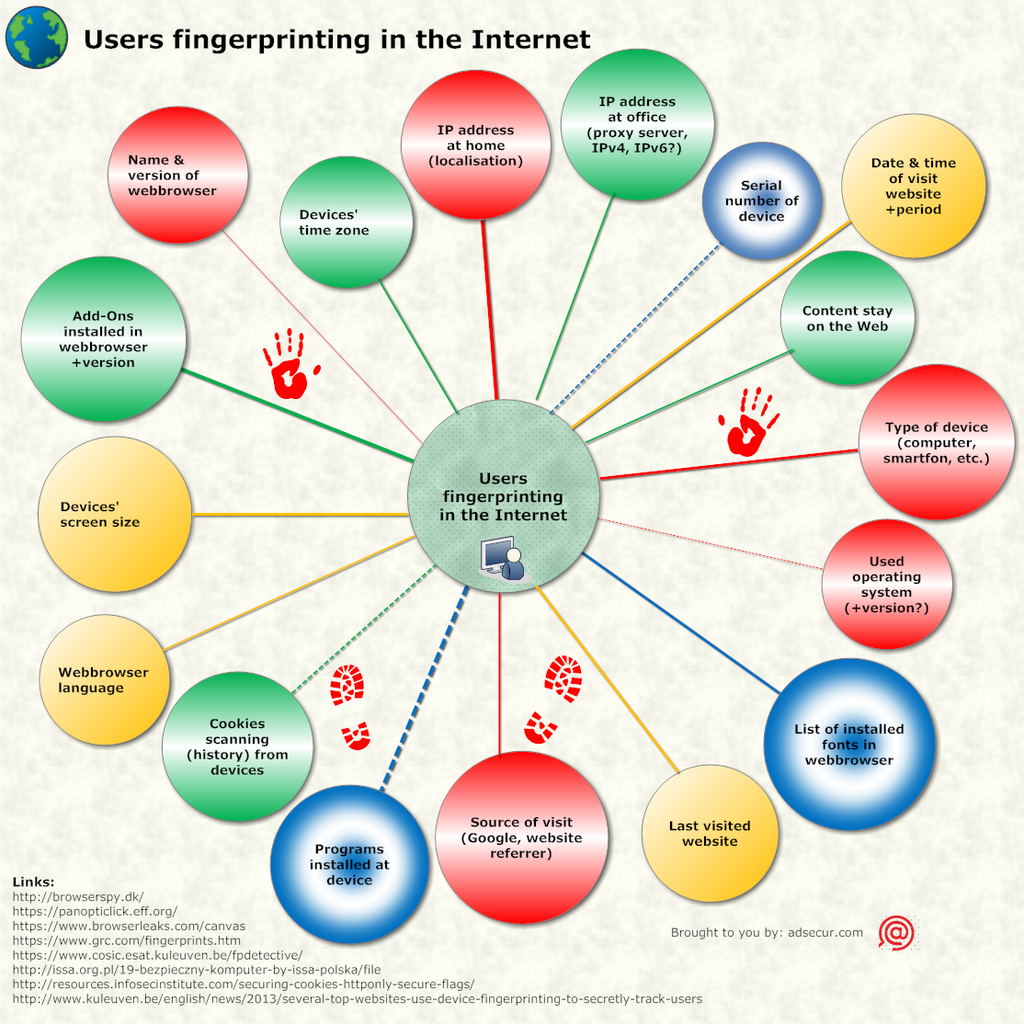
Passive Footprint: This is the data collected without your direct action, often in the background. Websites use cookies to track your browsing habits, apps might collect location data, and your internet service provider logs your IP address.
Here’s a simple breakdown of common activities and where they fit.
| Active Footprint (Intentional) | Passive Footprint (Unintentional) |
|---|---|
| Posting on social media | Websites tracking your visit via cookies |
| Sending an email | An app collecting your location data |
| Filling out a contact form | Your IP address being logged |
| Leaving an online review | Your search history being saved |
| Uploading a video | Browsing habits tracked for ads |
This passive data collection creates a detailed profile of your interests, habits, and even your location. Companies use this information to personalize your online experience, but it also paints a picture of you that you didn't create yourself.
Why Your Footprint Matters
A digital footprint isn't necessarily good or bad, but it has significant consequences for your privacy and security. The data you leave behind can be used in ways you never intended.
Companies collect and analyze your footprint to build a detailed profile of who you are. They use this for targeted advertising, which is why you might see an ad for something just moments after searching for it. While this can be convenient, it's also a form of surveillance that tracks your behavior across the web.
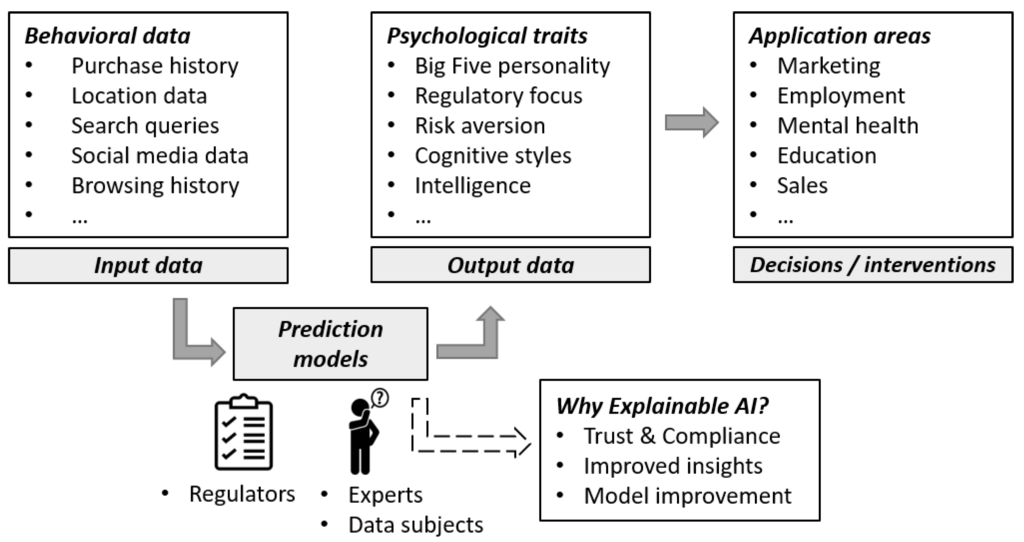
Beyond advertising, there are serious security risks. The more personal information that exists about you online, the easier it is for others to find. This can make you a target for identity theft, phishing scams, or even online harassment.
For example, if you publicly share your birthday, pet's name, and high school, you might be unintentionally giving away the answers to common security questions. Combining these small, seemingly harmless details can give a malicious actor enough information to access your accounts.
Essentially, your digital footprint becomes your online reputation. It can influence how you're seen by potential employers, schools, and even friends. Being aware of the trail you leave is the first step toward managing that reputation.
Let's check your understanding of these concepts.
What is a digital footprint?
Which of the following is an example of creating an active digital footprint?
Being aware of what your digital footprint contains is the foundation of online safety. It allows you to be more mindful of what you share and how your data is being used.