Master Your Digital Footprint
Understanding Digital Footprints
Your Online Trail
Every time you use the internet, you leave a trail of information behind. This trail is your digital footprint. Think of it like footprints in the sand, but these don't wash away with the tide. They are a record of your journey through the digital world.
Your digital footprint is the trail of data you leave online as you browse, shop, make social media posts, and interact with online services and tools.
This trail isn't just one thing. It's a combination of all your online activities. It includes the photos you post, the comments you leave, the articles you read, and even the things you search for. Together, these pieces form a detailed picture of who you are.
Active vs. Passive Footprints
Your digital footprint has two parts: active and passive. Understanding the difference is key to managing your online presence.
Active footprints are created when you deliberately share information about yourself. This is the content you create and put out into the world. It’s the most obvious part of your online identity.
Examples of an active footprint include sending an email, posting on social media, filling out an online form, or publishing a blog post.
Passive footprints are created when data is collected about you without you actively providing it. This often happens in the background while you're browsing the web. Websites and apps use various tools to gather information about your habits and preferences.
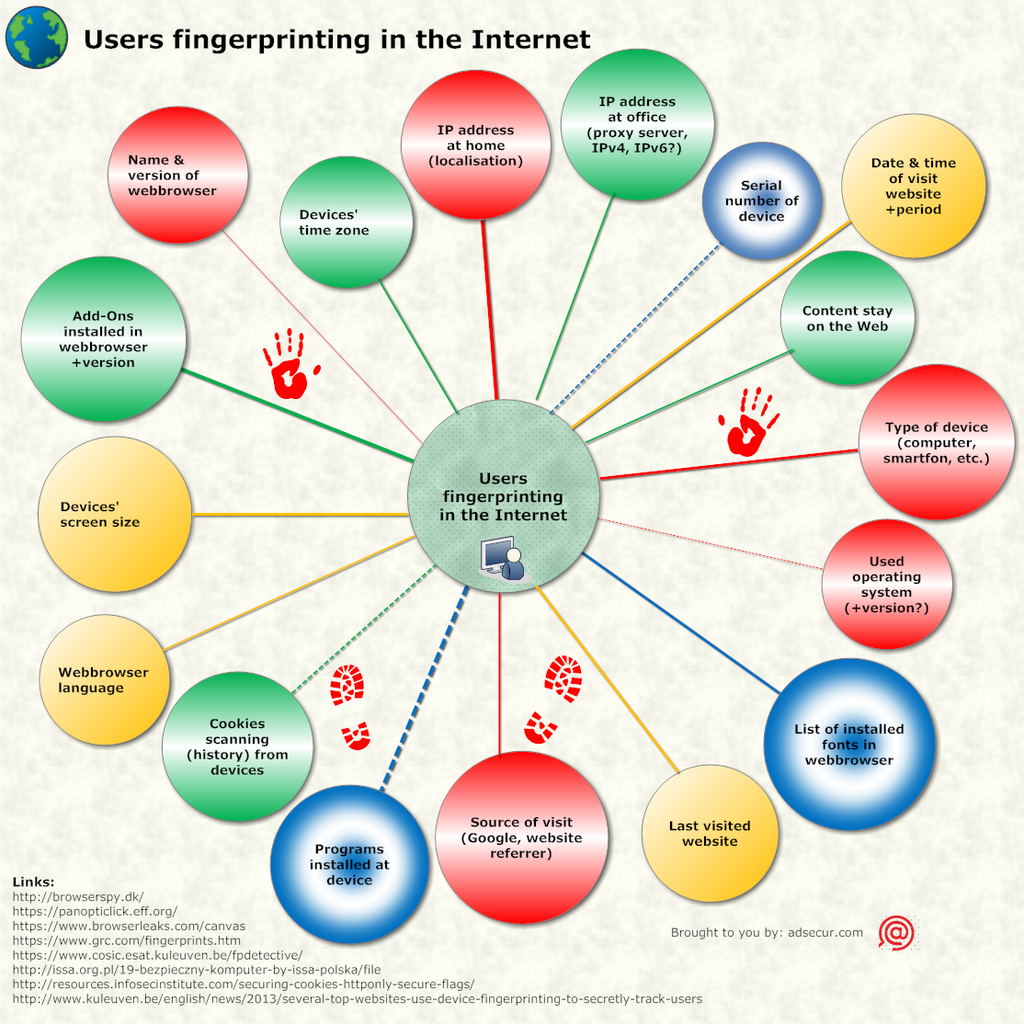
This includes things like your IP address, which reveals your general location, and cookies, which track your activity across different sites. Your device type, operating system, and even the fonts you have installed can be collected. While each piece of data might seem small, together they can build a surprisingly accurate profile.
Why Your Footprint Matters
An unmanaged digital footprint can carry real risks. The information you leave online can be used in ways you never intended. For example, a large footprint with lots of personal data can make you an easier target for identity theft. Scammers can piece together information from various sources to impersonate you or gain access to your accounts.
Your online reputation is also at stake. Employers, college admissions officers, and even potential landlords often search for people online. What they find forms their first impression. Old, embarrassing posts or angry comments can damage your reputation and cost you opportunities.
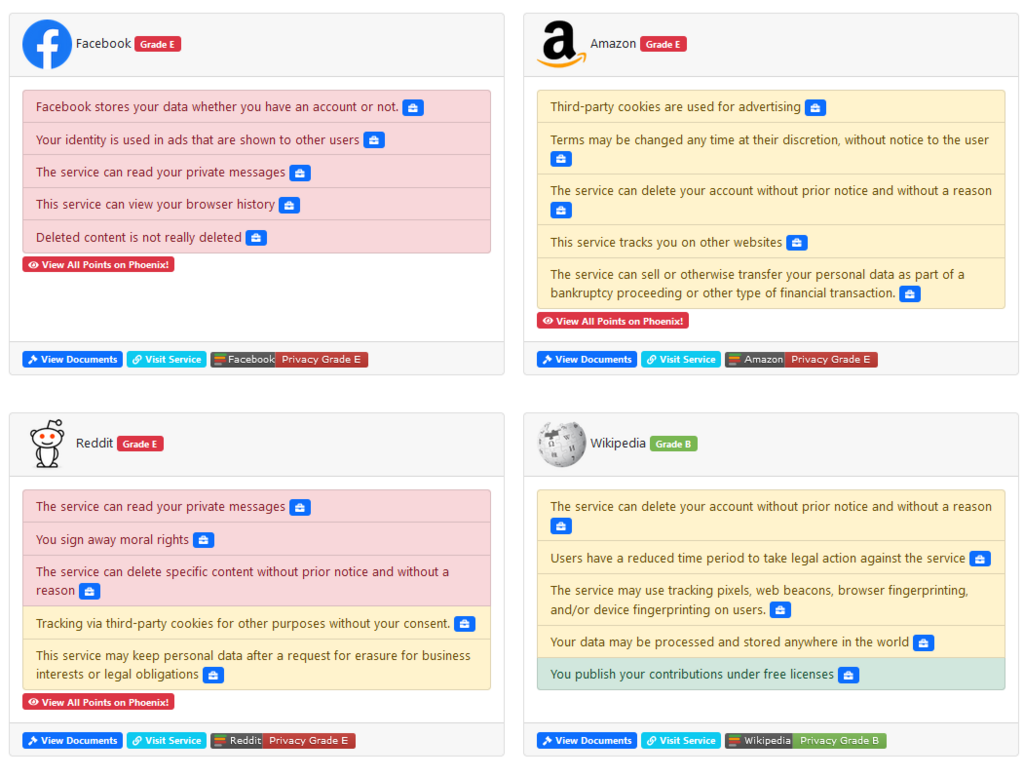
This is why managing your digital footprint is so important. It’s not about erasing yourself from the internet. It's about being mindful of the trail you leave behind. By understanding what information is out there and how it's collected, you can make more informed choices about what you share.
A well-managed footprint protects your privacy and helps you build a positive online presence. It gives you more control over your personal narrative and reduces your vulnerability to online threats.
What is a digital footprint?
Posting a comment on a social media video is an example of creating an active digital footprint.