Master Your Digital Footprint
Understanding Digital Footprints
What Is a Digital Footprint?
Every time you use the internet, you leave behind a trail of information. This trail is your digital footprint. Think of it like walking on a sandy beach. Every step you take leaves an imprint, and the same is true for your online actions. From the websites you visit to the photos you post, each activity adds to a growing picture of who you are.
Your digital footprint is the trail of data you leave across the internet—what you post, where you click, what others post about you, and what companies collect in the background.
This collection of data includes everything from your social media profiles and online comments to your browsing history and shopping habits. Even things you might not think about, like the location data from your phone, contribute to this footprint. It’s not just what you share, but also what others share about you.
Active vs. Passive Footprints
Your digital footprint isn't created in just one way. It's helpful to break it down into two types: active and passive.
An active digital footprint is the data you intentionally share. It’s the information you knowingly post or submit online.
Examples of active footprints include:
- Sending an email
- Posting on social media sites like Facebook or X
- Filling out an online form, like signing up for a newsletter
- Publishing a blog post
A passive digital footprint is the data collected about you without your direct action or awareness. This happens in the background as you browse the internet.
Examples of passive footprints include:
- Websites tracking which pages you visit and for how long
- Social media platforms noting what kind of content you like or interact with
- Apps collecting your location data
- Websites installing cookies on your device to track your activity across different sites
Why Your Footprint Matters
An unmanaged digital footprint can carry significant risks. Since the information is often public and permanent, it can be seen by anyone, including potential employers, schools, and even criminals. What you post today could affect your opportunities years from now.
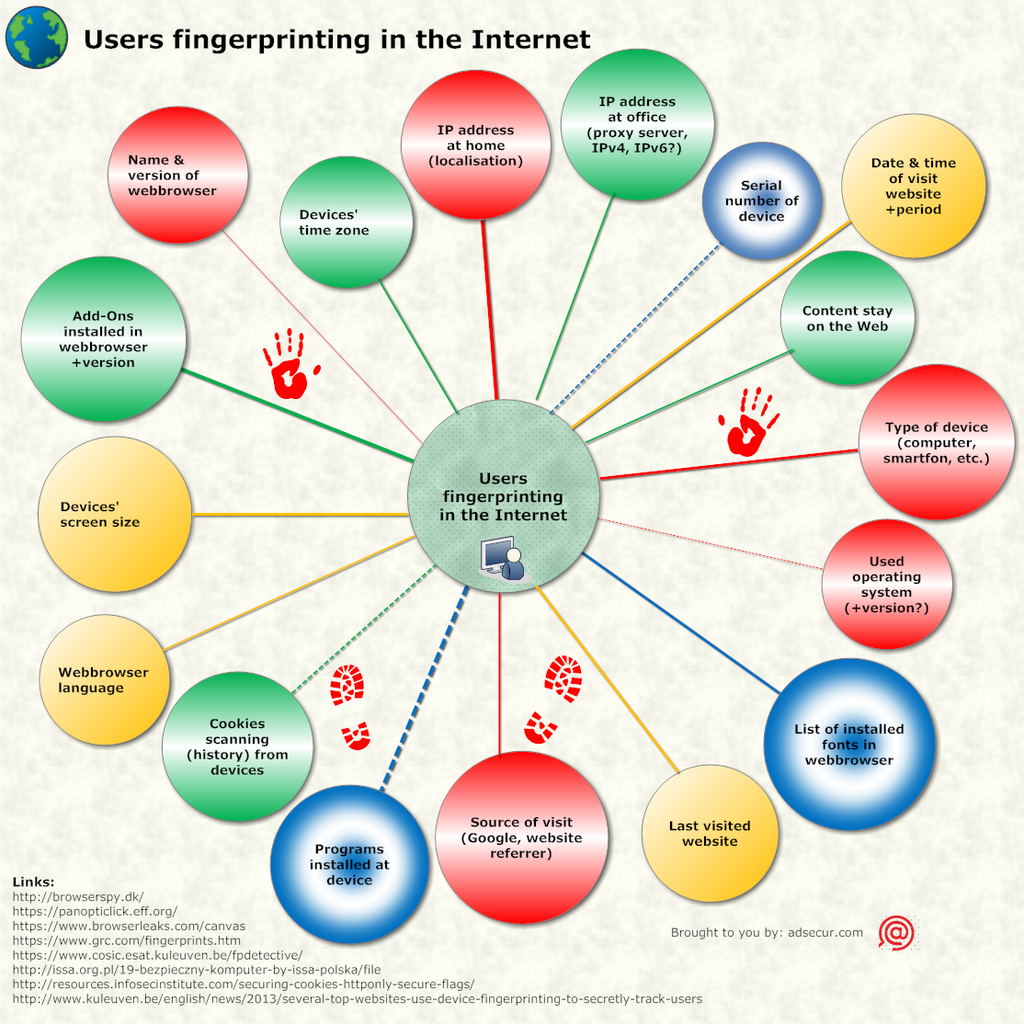
The data collected can be used to build a detailed profile of your life, habits, and preferences. This profile might be used for targeted advertising, but it can also be exploited for identity theft or other malicious purposes. The more information available about you online, the more vulnerable you may become.
The internet rarely forgets. Information can be copied, shared, and stored in ways you never intended, making it nearly impossible to completely erase.
Understanding what your digital footprint is and how it's created is the first step toward taking control of your online identity. By being mindful of your digital trail, you can begin to shape a positive and secure online presence.