Master Your Day Night Routine
Understanding Routines
The Power of Routine
Think of a routine as a series of actions you regularly follow. It’s the sequence of things you do almost without thinking, like your morning coffee ritual or the way you wind down before bed. These aren't just random habits; they are structured patterns that provide a framework for your day.
Routine
noun
A sequence of actions regularly followed; a fixed program.
At its core, a routine is about creating predictability in a world that is often unpredictable. By automating certain parts of your life, you build a stable foundation that supports you, even when things get chaotic.
Your Brain on Autopilot
Our brains are constantly making decisions, from what to wear to how to tackle a complex project. Each choice, big or small, consumes mental energy. This is often called decision fatigue. When you have a solid routine, you remove dozens of small decisions from your plate.
You no longer have to wonder what to do next. The path is already laid out. This frees up significant mental bandwidth, allowing you to focus your energy on more important, creative, or challenging tasks. Routines act as an anchor, reducing anxiety by creating a sense of control and order. Your mind knows what to expect, which lowers stress levels and helps you feel more grounded.
Consistent schedules reduce decision fatigue and conserve mental energy for what truly matters.
Your Body's Internal Clock
Routines don't just affect your mind; they have a profound impact on your body. Humans are creatures of habit, governed by an internal 24-hour cycle known as the circadian rhythm. This biological clock regulates your sleep-wake cycle, hormone release, and even body temperature.
When you stick to consistent routines, especially for sleeping, eating, and exercising, you help synchronize this internal clock. A well-regulated circadian rhythm leads to better sleep quality, increased daytime energy, and more stable moods. Waking up and going to bed at the same time each day is one of the most powerful ways to support this natural process.
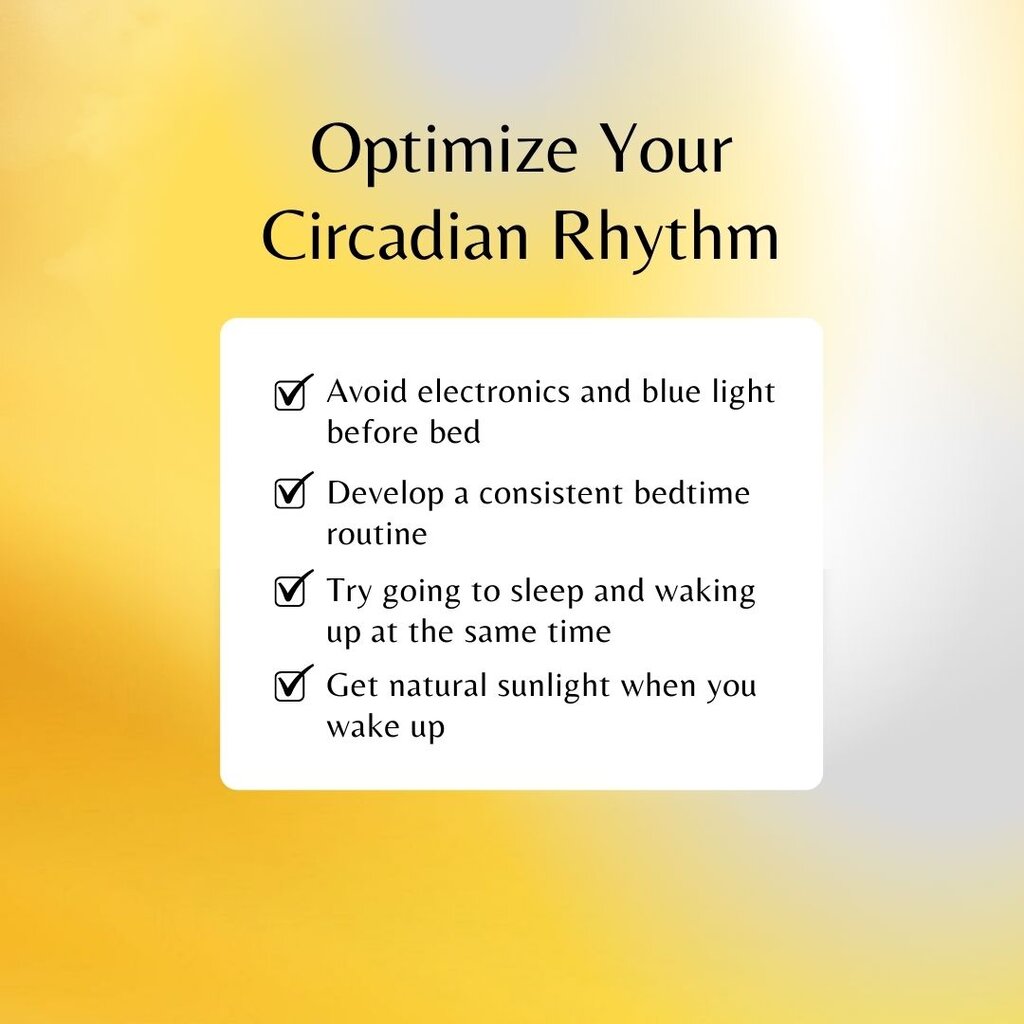
Disrupting this rhythm with irregular schedules can leave you feeling groggy and out of sync. By creating physiological predictability, routines help your body function more efficiently.
The Benefits of Structure
Embracing routines unlocks a host of benefits that ripple through every area of your life. In terms of productivity, structure helps build momentum. When you know exactly what you need to do, it’s easier to start and maintain focus, pushing procrastination aside.
For mental health, the stability of a routine can be a powerful antidote to feelings of overwhelm and anxiety. It provides comfort and a sense of normalcy, which is especially helpful during stressful times. This structure supports your well-being by making your daily environment feel safer and more manageable.
Finally, routines are the building blocks of personal growth. Any skill you want to build or goal you want to achieve, from learning an instrument to getting in shape, requires consistent action. Routines provide the framework for that consistency, turning small, repeated efforts into significant long-term progress. They are the vehicle that carries you from where you are to where you want to be.
Now that we understand the 'why' behind routines, we can begin to explore how to build effective ones for ourselves.