Master Your Day Eliminate Distractions
Understanding Distractions
The Pull of Distraction
A distraction is anything that pulls your attention away from your primary task. It's the force that derails your train of thought, whether you're writing a report, studying for an exam, or just trying to have a conversation. Even a momentary interruption can break your concentration and make it difficult to get back on track.
These interruptions aren't all the same. They generally fall into two categories: external and internal. Understanding the difference is the first step toward recognizing how they affect you.
distraction
noun
Something that prevents someone from giving their full attention to something else.
Sources of Interruption
External distractions are triggers from your environment. These are often the most obvious culprits. Think of the ping of a new text message, the pop-up notification for an email, or a coworker stopping by your desk to chat. The noise from a nearby construction site or even just the TV playing in the background are also common external distractions. They demand your immediate attention by stimulating your senses.
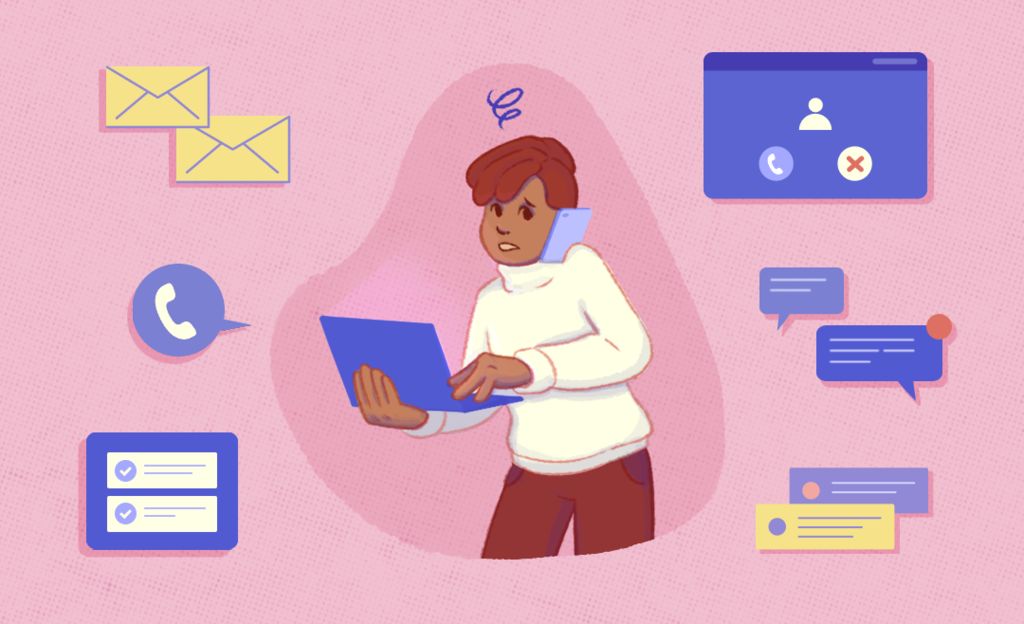
Internal distractions, on the other hand, come from within your own mind. They are the thoughts, feelings, and physical sensations that pull your focus away from the task at hand. Have you ever been reading a page only to realize you have no idea what it said because you were thinking about your to-do list? That's an internal distraction.
Common examples include stress about a deadline, feeling hungry or tired, daydreaming about a vacation, or worrying about a personal problem. These can be more subtle than external pings and buzzes, but they are often more powerful because they originate from our own thoughts and emotions.
The High Cost of Interruption
The problem with distractions isn't just the few seconds or minutes they steal. The real cost lies in the disruption to your mental workflow. When you're deeply focused on a task, your brain is holding a complex set of information in its short-term memory. An interruption forces you to switch contexts, clearing out that information to deal with the new stimulus.
After the distraction is over, you can't just pick up where you left off. You have to spend mental energy rebuilding that context, which takes time and effort. This phenomenon is sometimes called "attention residue," where thoughts about the distracting task linger and prevent you from fully re-engaging with your original work.
Studies show it can take over 20 minutes to regain the same level of intense focus after being interrupted.
This constant switching has significant psychological effects. It can lead to feelings of frustration, anxiety, and being overwhelmed. When you feel like you're always being pulled in different directions, it's hard to feel productive or accomplished, which can increase stress levels.
Physiologically, our bodies can react to constant digital interruptions as a low-grade threat. The perpetual alerts can trigger a mild stress response, keeping our nervous system on edge. This can contribute to mental fatigue, making it even harder to concentrate and easier to become distracted, creating a draining cycle.
Recognizing these different types of distractions and understanding their true cost is the foundational step. Only by seeing the problem clearly can you begin to address it.