Master Your Budget Save for a Down Payment
Understanding Personal Finances
Where Your Money Comes From
Before you can create a budget or a savings plan, you need a clear picture of what's coming in. This is your income. For most people, income comes from a primary job, but there are many potential sources of money.
We can group income into two main categories: active and passive. Active income is what you earn through direct effort, like working a 9-to-5 job or taking on a freelance project. Passive income is money you earn with minimal ongoing effort, like returns from investments or rent from a property you own. Understanding all your income streams is the first step toward managing your finances.
| Active Income | Passive Income |
|---|---|
| Salary from a job | Dividends from stocks |
| Freelance work | Rental income |
| Gig economy earnings | Interest from a savings account |
| Small business profits | Royalties from a book |
The Two Types of Spending
Just as important as knowing what you earn is knowing what you spend. Your expenses are everything you spend money on, from your morning coffee to your monthly rent. Tracking them reveals where your money actually goes.
expense
noun
The cost required for something; the money spent on something.
Expenses fall into two buckets: fixed and variable. Fixed expenses are consistent and predictable. They cost the same amount each month, making them easy to plan for. Think of things like rent, car payments, or a subscription service.
Variable expenses, on the other hand, change from month to month. These include costs like groceries, gasoline, or entertainment. Because they fluctuate, they often require more attention to keep them in check.
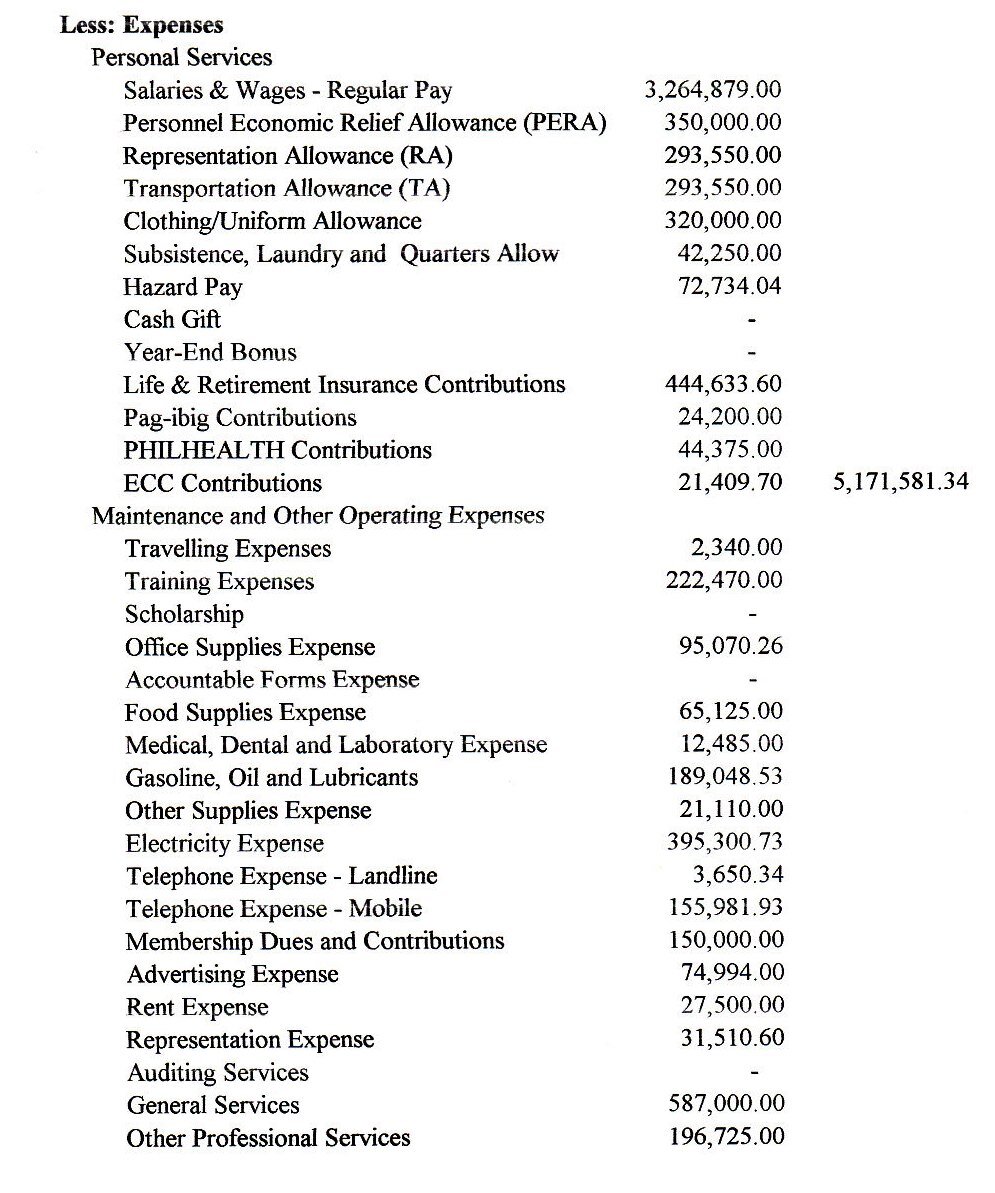
The key difference isn't about necessity, but predictability. Both a need (like groceries) and a want (like a movie ticket) can be variable expenses.
Why This All Matters
Understanding your income and expenses is the foundation of financial literacy. This isn't about complex investment strategies or becoming a Wall Street expert. It's about having the knowledge and confidence to make smart decisions with your money.
literacy
noun
Competence or knowledge in a specified area.
When you are financially literate, you are in control. You can plan for the future, handle unexpected costs, and work toward your goals, whether that’s buying a house or simply having less stress about money. It empowers you to build a secure financial future on your own terms.
Financial wellness isn’t just about saving more; it’s about creating habits and strategies that help you stay confident and secure about your future.
With these fundamentals in place, you're ready to build on them. Let's review what we've covered.
Which of the following is an example of passive income?
Your monthly rent payment is best classified as what type of expense?
Grasping these core concepts of income, expenses, and literacy is the essential first step on your financial journey.