Master Weekly Meal Prep
Meal Planning Basics
Why Plan Your Meals?
Deciding what to eat every day can feel like a chore. The clock strikes six, you're hungry, and you have no idea what to make. This often leads to last-minute takeout or uninspired bowls of cereal for dinner. Meal planning is a simple way to solve this daily dilemma.
By taking a little time to plan your meals for the week, you can save time, reduce stress, and cut down on your grocery bills. You’ll know exactly what you need from the store, which means fewer impulse buys and less food waste. It also puts you in control of what you're eating, making it easier to stick to health goals.
By planning your meals in advance, you can avoid the last-minute rush, cut down on food waste, and enjoy healthier, home-cooked meals.
Think of it as creating a roadmap for your food. Instead of navigating mealtime without a map, you have a clear path that gets you where you want to go with less hassle.
Start With What You Know
Before you can plan for the future, you need a clear picture of the present. The first step is to understand your current eating habits. You might be surprised by what you find.
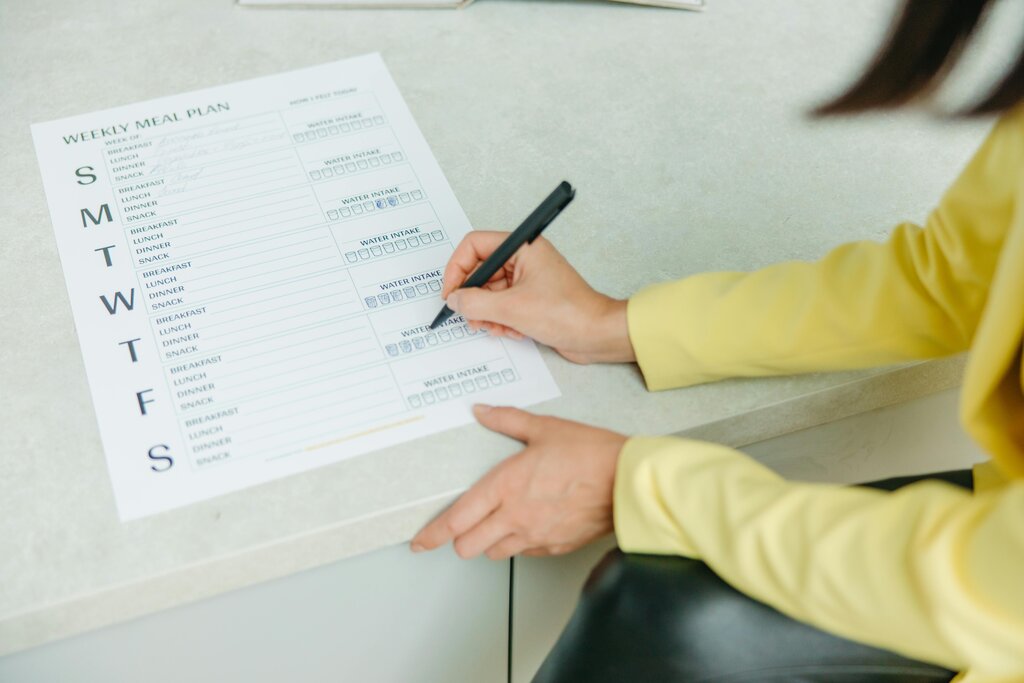
For one week, try keeping a simple log. Note what you eat for each meal, how much you spend on groceries versus eating out, and which foods you threw away. This isn't about judgment; it's about gathering data. This information will be your guide as you start to plan.
Look for patterns. Do you always grab takeout on Tuesdays? Do you buy vegetables that end up wilting in the fridge? Identifying these habits is the key to creating a realistic plan that works for you, not against you.
Build Your Weekly Plan
Now you're ready to create your first meal plan. Don't aim for perfection. The goal is to start simple and build a routine that sticks. Begin by planning just a few meals for the week ahead, like three dinners or all your work lunches.
A great starting point is to choose one or two of your favorite, easy-to-make recipes. You're more likely to follow through when the plan includes meals you actually enjoy eating and cooking.
Grab a piece of paper, a notebook, or use an app. List the days of the week and fill in the meals you've decided to plan. Here’s a simple template to get you started:
| Day | Breakfast | Lunch | Dinner |
|---|---|---|---|
| Monday | Spaghetti & Salad | ||
| Tuesday | Leftovers | ||
| Wednesday | Chicken Stir-fry | ||
| Thursday | Leftovers | ||
| Friday | Black Bean Tacos |
Notice how this plan builds in leftovers for lunch. This is a classic time-saving strategy. Once you have your meals mapped out, create a grocery list based only on the ingredients you'll need. This targeted approach helps you stick to your budget and avoid buying things you won't use.
Ready to test your knowledge? Let's see what you've learned about the fundamentals of meal planning.
What is the primary goal of keeping a food log for a week before starting a meal plan?
According to the text, which of the following is NOT a direct benefit of meal planning?
With these basics, you have a solid foundation. You've learned to assess your habits, set realistic goals, and draft a simple plan. This is the first step toward making your mealtimes easier and more intentional.