Master Weekly Meal Prep
Meal Planning Basics
Your Guide to Meal Planning
Deciding what to eat every day can feel like a chore. Meal planning is a simple way to take control of your kitchen, save money, and reduce the stress of last minute decisions. It isn't about restrictive dieting; it’s about making intentional choices that fit your life.
By planning your meals, you buy only what you need, which cuts down on grocery bills and food waste. It also frees up mental energy during the week. Instead of wondering what’s for dinner at 5 p.m., you'll already have a plan.
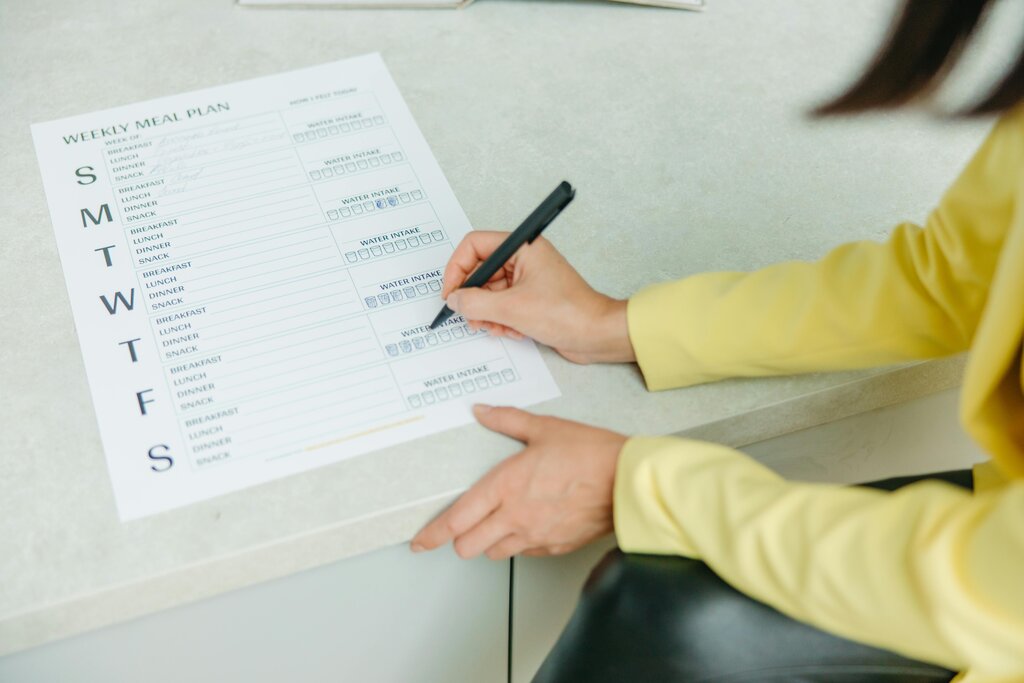
Start With What You Know
The best way to start is by looking at your current habits. What do you and your family already enjoy eating? Make a list of your go to breakfasts, lunches, and dinners. These are the building blocks of your first meal plan.
Think about your schedule. Are Wednesdays packed with activities? That’s a great night for a quick meal or leftovers. Do you have more time to cook on the weekend? Plan a more involved recipe for then. Your meal plan should work for you, not the other way around.
The most successful meal plan is one that includes the foods you already love.
Set Your Goals
What do you want to achieve with meal planning? Your goals will shape your approach. Maybe you want to eat more vegetables, stick to a budget, or simply avoid ordering takeout so often. Having a clear goal makes it easier to stay motivated.
Start with small, achievable goals. You don't have to plan every single meal for the entire week. Begin by planning just three dinners for the upcoming week. Once that feels comfortable, you can gradually plan more.
A well-thought-out meal plan can help you improve the quality of your diet or reach a specific health goal while saving you time and money.
The Power of Prep
Structured meal preparation, or 'meal prep', is the process of preparing ingredients or full meals ahead of time. It’s the practical side of meal planning. Even a little prep can make a huge difference during a busy week.
This could mean chopping vegetables on a Sunday afternoon, cooking a big batch of rice to use in different meals, or portioning out snacks into grab and go containers. This upfront effort is what makes weeknight cooking faster and easier.
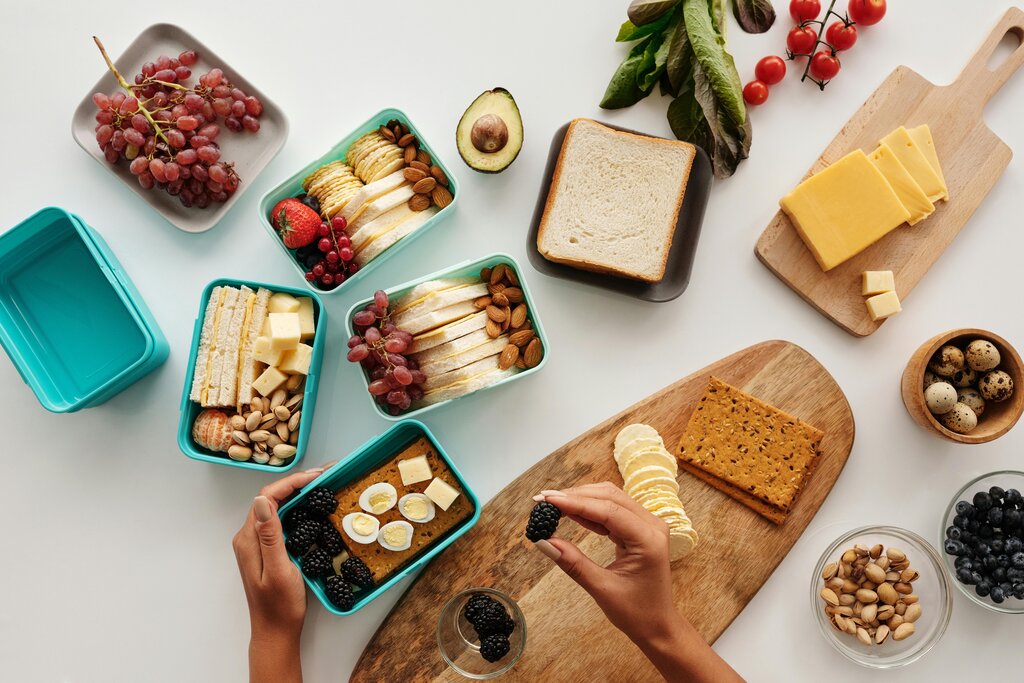
The main benefit is convenience. When you're tired and hungry, having a healthy, pre-prepared meal ready to go makes it much easier to stick to your plan and avoid less healthy options. It puts you in control of what you eat.
Ready to test your knowledge?
What is the primary purpose of meal planning as described in the text?
According to the text, what is the recommended first step when starting to meal plan?
Meal planning is a flexible tool that you can adapt to your lifestyle. By starting small and focusing on your personal goals, you can build a routine that works for you.