Master Traditional Mandarin Characters
Introduction to Traditional Chinese Characters
The Original Script
Chinese characters form one of the world's oldest continuously used writing systems. The script you see in ancient texts, classic calligraphy, and historical artifacts is what we now call Traditional Chinese. These characters are the result of thousands of years of natural evolution, beginning as simple pictures of the world around us.
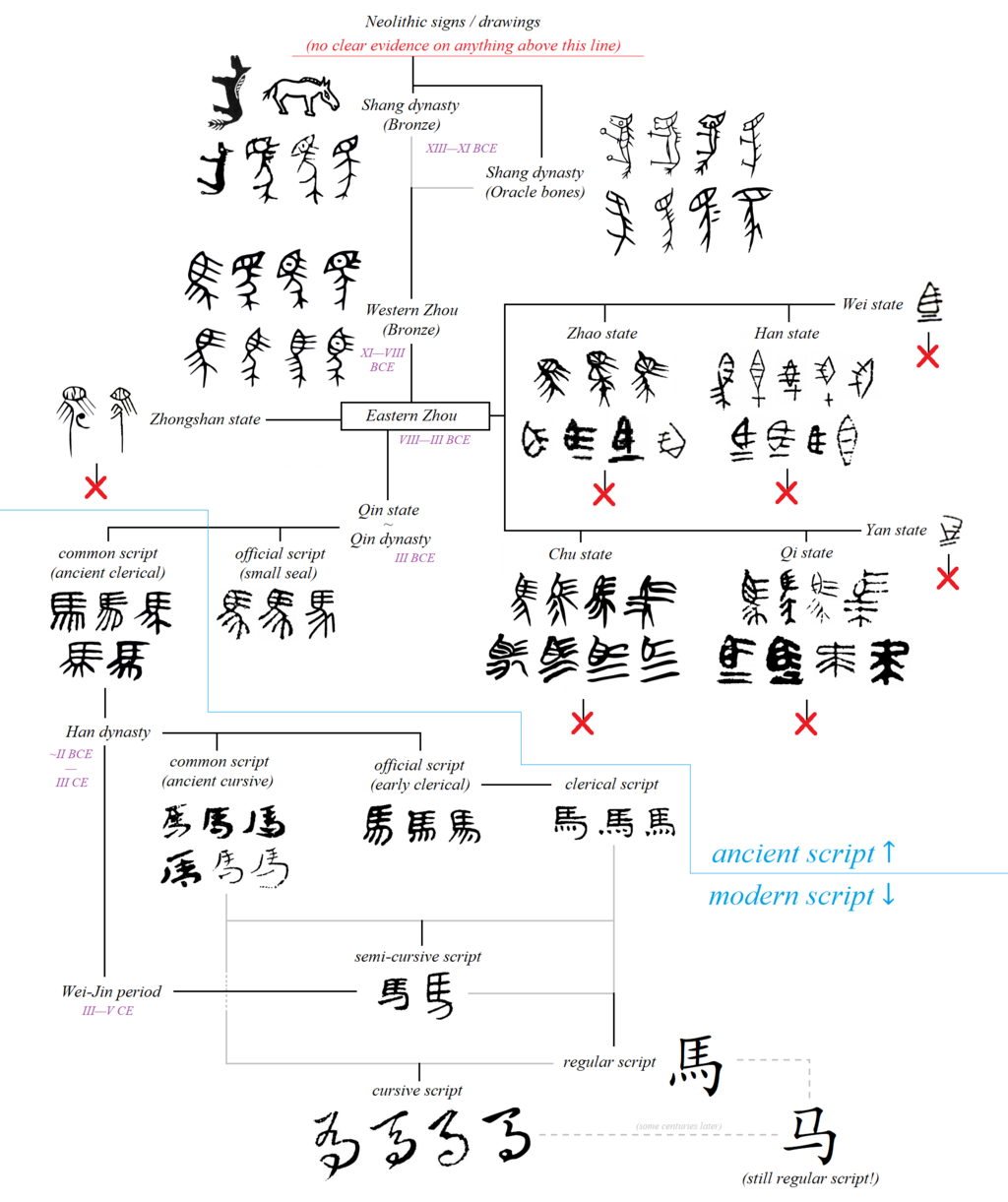
Early characters were pictograms, direct drawings of objects like the sun (日) or a tree (木). Over time, they became more stylized and abstract. More complex ideas were formed by combining these simpler characters. For example, putting two tree characters together, 林 (lín), means 'grove,' and three together, 森 (sēn), means 'forest.' This is the foundational logic that has been carried through millennia.
Where Tradition Lives On
While mainland China and Singapore adopted a simplified script in the mid-20th century to boost literacy, Traditional Chinese characters remain the standard in several places. They are the official script in Taiwan, Hong Kong, and Macau. You'll also find them widely used in overseas Chinese communities.
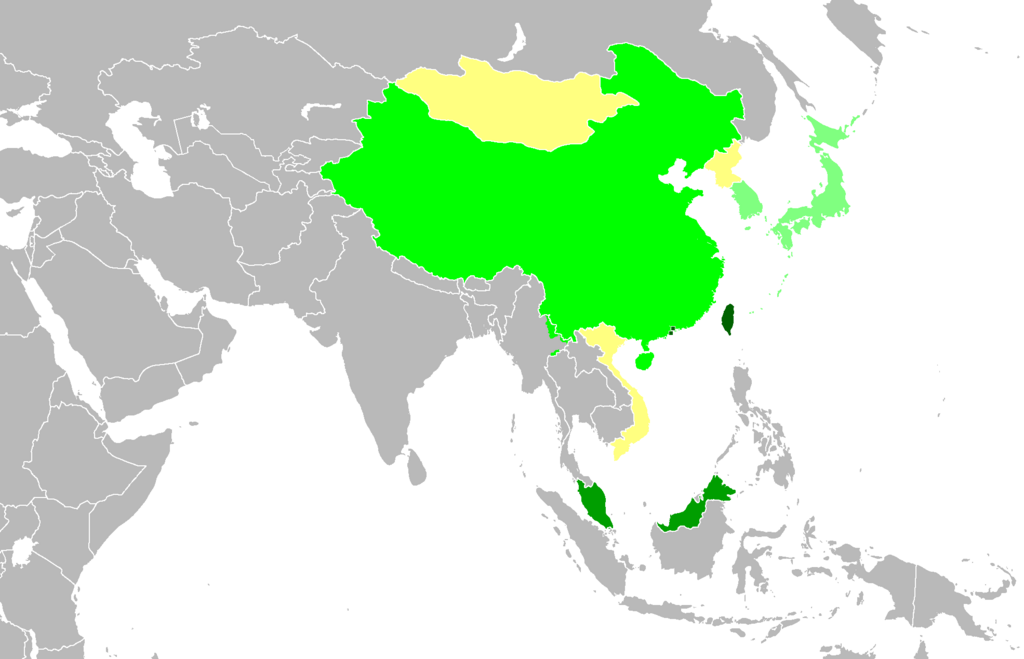
For these regions, using the traditional script is a matter of cultural continuity and identity. It connects the present day directly to the vast history of Chinese literature, philosophy, and art without a linguistic break. Reading a classic poem or a historical document in its original form preserves its intended nuance and aesthetic.
Traditional vs. Simplified
Simplified characters were created by reducing the number of strokes in many traditional characters. The goal was to make them easier to learn and write. Some characters were simplified based on common cursive shortcuts, while others were changed more drastically. A few characters were left unchanged because they were already simple enough.
| Traditional | Simplified | Pinyin | English |
|---|---|---|---|
| 龍 | 龙 | lóng | Dragon |
| 馬 | 马 | mǎ | Horse |
| 門 | 门 | mén | Door |
| 愛 | 爱 | ài | Love |
| 國 | 国 | guó | Country |
The difference isn't just cosmetic. Traditional characters often contain more semantic clues about their meaning. Take the character for 'love,' 愛 (ài). In its traditional form, it contains the character for 'heart,' 心 (xīn), right in the middle. The simplified version, 爱, removes the heart component. Supporters of the traditional script argue that such details preserve the character's deeper meaning and story.
A Window into Culture
Traditional characters are more than just a writing system; they are an art form. Chinese calligraphy, one of the highest forms of artistic expression in East Asia, is almost always practiced with traditional characters. Their complexity and balance allow for a greater range of aesthetic expression.
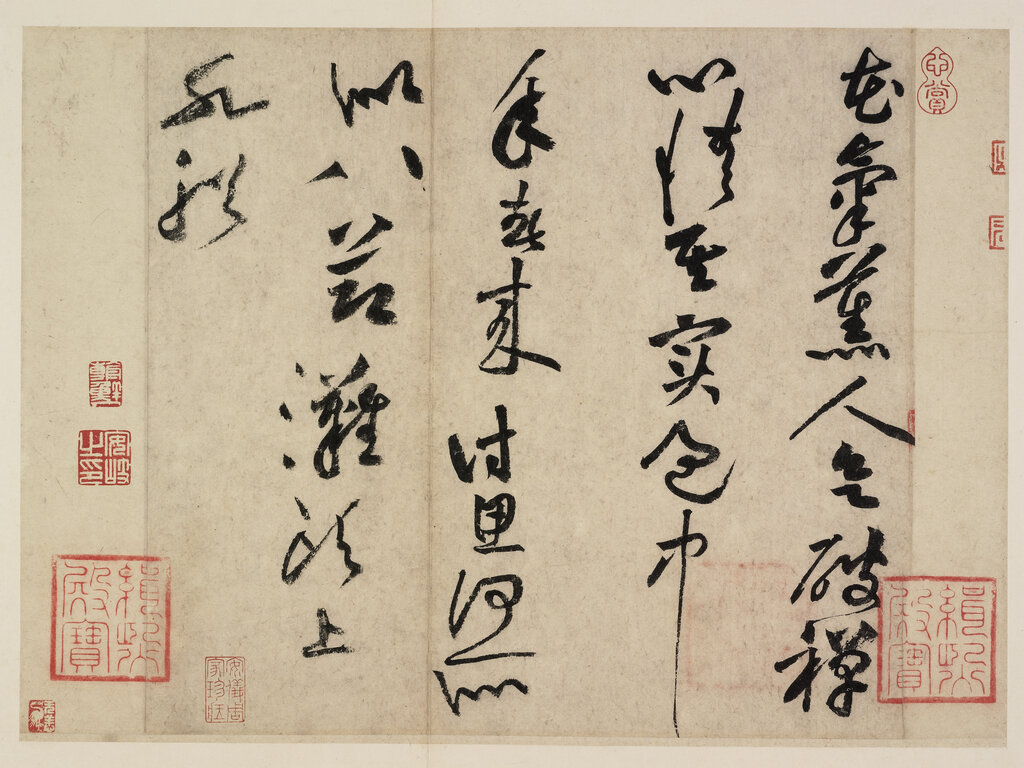
Understanding these characters opens a door to the rich world of Chinese classics, from the philosophy of Confucius to the epic novels of the Ming dynasty. While modern translations exist, reading them in the original script offers a deeper connection to the cultural and historical context in which they were written.
Learning Traditional characters can feel like learning the history and artistry of the language at the same time.
Let's review some of the core ideas about this beautiful script.
Ready to test your knowledge?
In which of the following regions are Traditional Chinese characters currently the standard writing script?
What is the primary argument for the idea that Traditional Chinese characters, like 愛 (ài) for 'love', preserve deeper meaning compared to their simplified versions?
Even a basic familiarity with Traditional Chinese offers a richer understanding of the language and its cultural roots. It’s a bridge connecting the modern speaker to centuries of history.