Master the MBLX Exam
Anatomy and Physiology
The Body's Blueprint
To understand how massage works, you first need to understand the body itself. Anatomy is the study of the body's structures, and physiology is the study of how those structures function. Together, they form the foundation of safe and effective massage therapy. Think of it as learning the map before you start the journey. This knowledge is not just for practice; it's a major part of the MBLEx.
Framework and Movers
Let's start with the systems that create structure and movement. The skeletal system is your body's framework. It's made up of bones, ligaments, and cartilage that provide support, protect your organs, and act as attachment points for muscles. Without it, you'd be a puddle on the floor.
The muscular system is what gets you moving. It's composed of three types of muscle tissue: skeletal, smooth, and cardiac. As a massage therapist, you'll primarily work with skeletal muscles—the ones that attach to bones via tendons and allow for voluntary movement. Massage helps to release tension, improve flexibility, and reduce pain in these tissues.
Control and Communication
The nervous system is the body's command center. It consists of the central nervous system (CNS), which includes the brain and spinal cord, and the peripheral nervous system (PNS), the network of nerves that connects the CNS to the rest of the body.
Massage has a profound effect on the nervous system. Applying pressure and movement can stimulate sensory receptors in the skin and muscles, sending signals to the brain that can help reduce stress and promote relaxation. This often involves shifting the body from a 'fight-or-flight' state (sympathetic nervous system) to a 'rest-and-digest' state (parasympathetic nervous system).
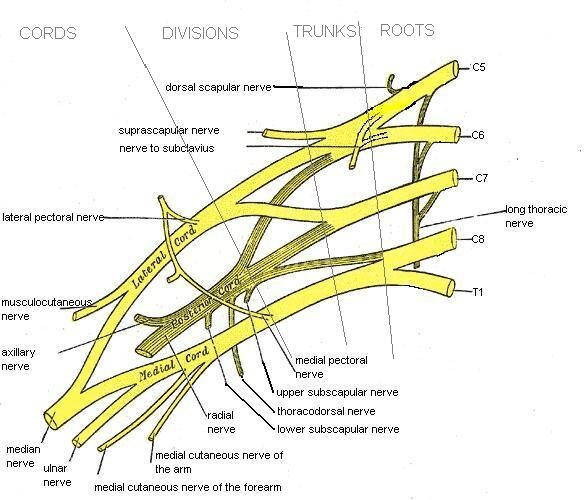
Working alongside the nervous system is the endocrine system. This system uses hormones—chemical messengers released by glands—to regulate processes like metabolism, growth, and mood. While massage doesn't directly manipulate glands, the relaxation it induces can help balance hormone levels, such as reducing the stress hormone cortisol.
Transport and Protection
Your body has incredible transport systems. The circulatory system, powered by the heart, pumps blood through a vast network of arteries and veins. This delivers oxygen and nutrients to every cell and removes waste products. The strokes used in massage can encourage blood flow, potentially improving circulation to targeted areas.
Improved circulation means more oxygen and nutrients are delivered to muscles, which can aid in recovery and reduce soreness.
The lymphatic system is another crucial network. It helps maintain fluid balance and plays a key role in the immune system by filtering out pathogens. Some massage techniques are specifically designed to stimulate the flow of lymph, which can help reduce swelling and support immune function.
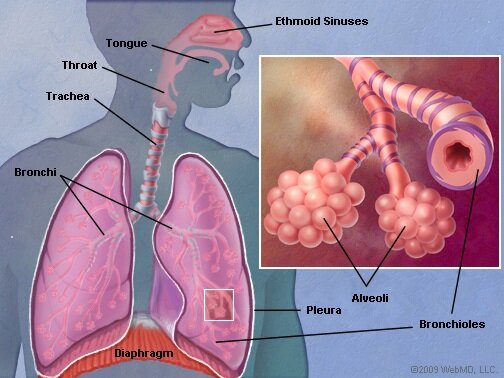
The respiratory system, centered around the lungs, is responsible for gas exchange—bringing in oxygen and expelling carbon dioxide. Deep, rhythmic breathing is often encouraged during a massage. This not only enhances relaxation but also improves oxygenation of the blood, benefiting the whole body.
The digestive system breaks down food to absorb nutrients. While massage therapy doesn't directly target digestion, the relaxation of the abdominal muscles and the stimulation of the parasympathetic nervous system can support healthy digestive function.
The Outermost Layer
Finally, there's the system you interact with most directly: the integumentary system. This is your skin, hair, and nails. The skin is the body's largest organ, providing a protective barrier against the outside world, regulating temperature, and housing millions of sensory receptors.
Massage therapists work directly on the skin, using oils or lotions to reduce friction. The touch and pressure stimulate nerve endings in the skin, which is a primary reason why massage feels good and is so relaxing.
Understanding how all these systems are interconnected is what separates a good massage therapist from a great one. Each system influences the others, and a holistic approach that considers the whole body is key to effective therapy.
What is the primary function of the skeletal system in the context of movement?
Massage therapy can induce a state of relaxation by shifting the nervous system from a 'fight-or-flight' state to a 'rest-and-digest' state. This involves a transition from the __________ nervous system to the __________ nervous system.