Master the First 20 Elements
Introduction to the Periodic Table
A Map of Matter
The periodic table is a masterfully organized chart of all the chemical elements we know. Think of it as a catalog for the building blocks of the universe. Everything you see, from the air you breathe to the screen you're reading this on, is made from combinations of these elements.
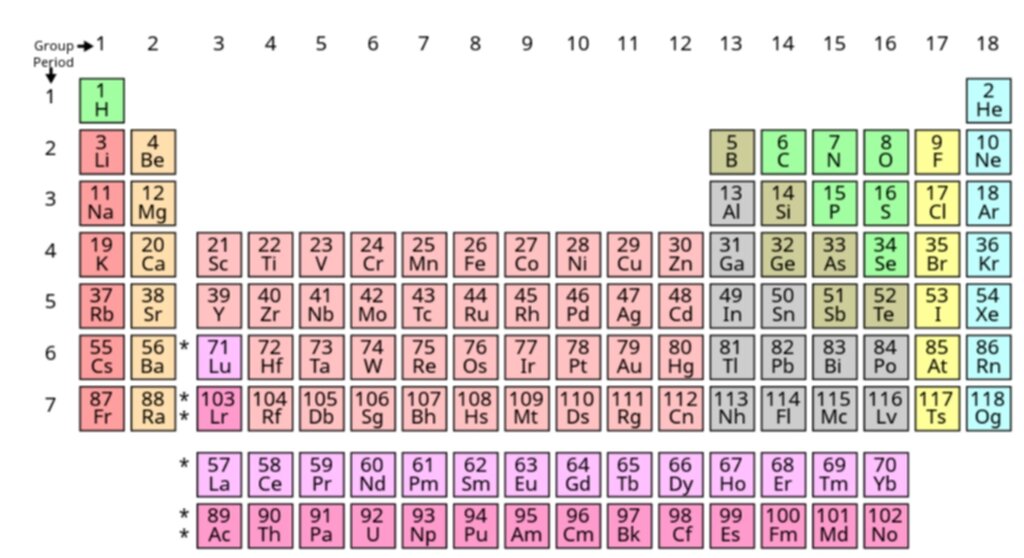
But it's more than just a list. The table's layout reveals deep patterns in how elements behave. Understanding this structure is the key to seeing the logic behind chemistry itself. Each box on the table represents one element, and it contains a few key pieces of information.
Decoding an Element
Let's zoom in on a single square to see what it tells us. Take helium, for example. In its box, you'll find its atomic number, its symbol, and its name.
The atomic number is the most important piece of information here. It tells you the number of protons in the nucleus of a single atom of that element. Every element has a unique atomic number. Hydrogen has 1 proton, so its atomic number is 1. Helium has 2, and so on. The table is arranged in order of increasing atomic number, starting from the top left.
The number of protons defines the element. If an atom has 8 protons, it's always oxygen. If it has 79, it's always gold.
The symbol is a one or two letter abbreviation for the element. It's an international shorthand that scientists use. Often, it's based on the element's English name, like O for Oxygen or Ca for Calcium.
Sometimes, the symbol comes from the element's name in another language, usually Latin. That's why iron is Fe (from ferrum) and sodium is Na (from natrium).
Rows and Columns
The periodic table's layout isn't random. Its rows and columns group elements in meaningful ways.
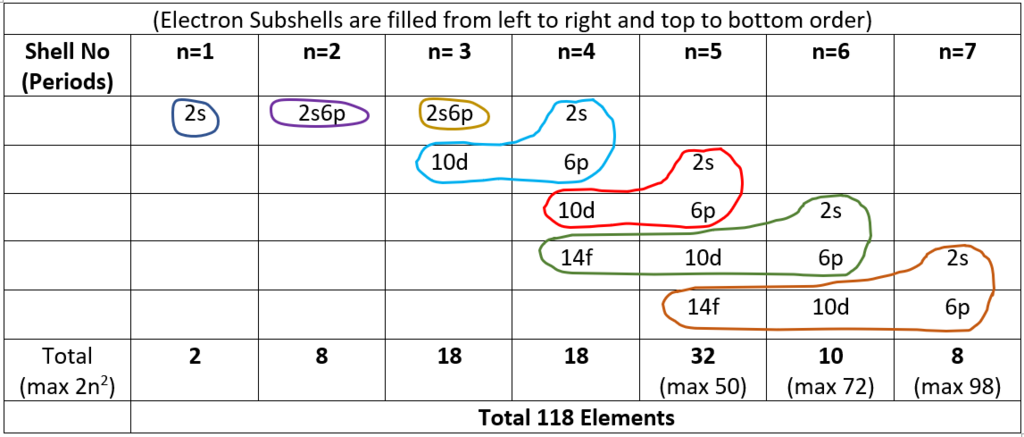
The horizontal rows are called periods. As you move from left to right across a period, the atomic number increases by one for each element. There are seven periods in the standard table. Elements in the same period don't necessarily have similar properties, but they do have the same number of electron shells, which are the regions where electrons orbit the nucleus.
The vertical columns are called groups. Elements within the same group share similar chemical properties. This is the real power of the table's organization. For instance, the elements in the far right column, Group 18, are all known as noble gases. They are very unreactive because their outer electron shells are full. This shared trait makes them behave in similar ways.
Think of it like this: Periods are like book chapters, progressing the story. Groups are like recurring character types who show up with similar traits throughout the story.
By understanding this structure—atomic numbers, symbols, periods, and groups—you have the map you need to navigate the world of chemistry. The patterns in the table make it much easier to learn and predict the behavior of the elements, especially the first 20 that form the basis of so much chemistry.
Ready to check your understanding of the periodic table's structure?
What does the atomic number of an element fundamentally represent?
Elements in the same vertical column of the periodic table are known as a group. What do they typically share?