Master the CSCS Exam
Exercise Science Fundamentals
The Body's Engine
Muscles are the engines that power every move you make. To understand how they work, think of a large rope. This rope is a muscle, and it's made of smaller and smaller bundles of fibers, all wrapped together. The smallest of these fibers are the actual muscle cells, which contain tiny protein filaments called actin and myosin. When a muscle contracts, these filaments slide past each other, shortening the muscle and pulling on your bones to create movement.
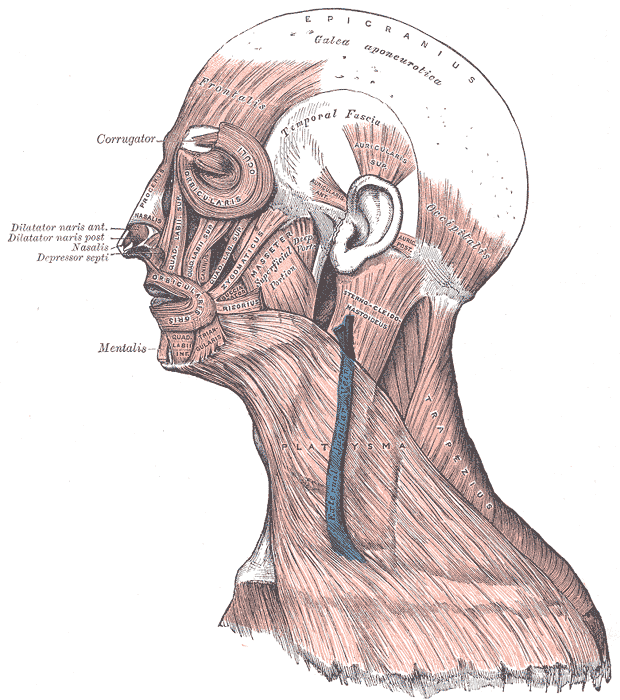
Not all muscle fibers are the same. They generally fall into two categories:
-
Slow-twitch (Type I) fibers are built for endurance. They are efficient at using oxygen to generate fuel for continuous, extended muscle contractions over a long time. They fire more slowly and are what you rely on for activities like jogging or cycling.
-
Fast-twitch (Type II) fibers are built for power. They use anaerobic metabolism to create fuel, meaning they don't need oxygen. This makes them much better at generating short bursts of strength or speed. They fire rapidly but also fatigue quickly. Sprinting and heavy weightlifting rely heavily on these fibers.
Most muscles contain a mix of both fiber types, but the exact ratio is largely determined by genetics. However, training can influence how efficiently each type works.
The Command Center
Muscles don't decide to contract on their own. They need a signal from the nervous system. This connection between a nerve and a muscle fiber is a specialized synapse called the neuromuscular junction. When your brain decides to move, it sends an electrical signal down a nerve cell, called a motor neuron.
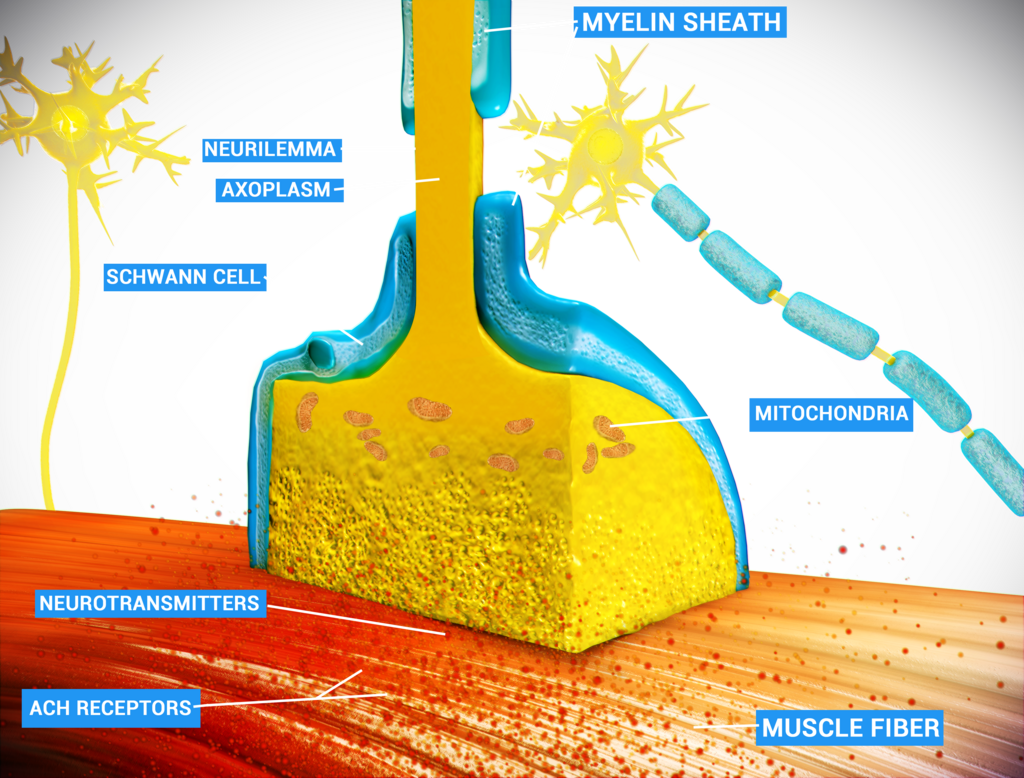
A single motor neuron and all the muscle fibers it controls form a motor unit. When the neuron fires, all the fibers in that unit contract simultaneously. This is known as the "all-or-none" principle. The fibers either contract with full force, or they don't contract at all.
So how does the body create graded movements, like lifting a pencil versus a heavy dumbbell? It's not by making the fibers contract harder. Instead, the nervous system adjusts force in two ways:
- Recruitment: It recruits more motor units. For a light task, only a few motor units are activated. For a heavy task, many more are called into action.
- Rate Coding: It increases the frequency of the signals sent to the motor units, causing them to fire more rapidly.
Fueling the Movement
All this contraction requires energy. The body's universal energy currency is a molecule called adenosine triphosphate, or ATP. Think of ATP as the gasoline for your muscle engines. Your body has three main systems for producing ATP, and the one you use depends on the intensity and duration of the activity.
bioenergetics
noun
The study of how energy is transformed in living organisms. In exercise science, it focuses on how the body converts food into usable energy for muscle activity.
The three systems work together, but one typically dominates based on the demand.
| Energy System | Duration | Intensity | Example Activity |
|---|---|---|---|
| Phosphagen | 0-10 seconds | Very High | 100-meter sprint, heavy lift |
| Glycolytic | 10 sec - 2 min | High | 400-meter run, circuit training |
| Oxidative | > 2 minutes | Low to Moderate | Marathon, long-distance cycling |
The phosphagen system provides immediate energy for explosive movements. The glycolytic system kicks in for high-intensity efforts that last a bit longer, breaking down carbohydrates for fuel. For anything lasting more than a couple of minutes, the oxidative system takes over. It uses oxygen to break down carbs and fats, providing a sustained energy supply for endurance activities.
The Delivery Network
To fuel the oxidative system and clear out metabolic waste, muscles need a reliable delivery service. That's the job of the cardiovascular and respiratory systems.
The cardiovascular system, which includes the heart, blood, and blood vessels, is the body's transport network. The heart pumps oxygenated blood from the lungs out to the muscles. This blood carries not only oxygen but also vital nutrients. On the return trip, it carries away waste products like carbon dioxide.
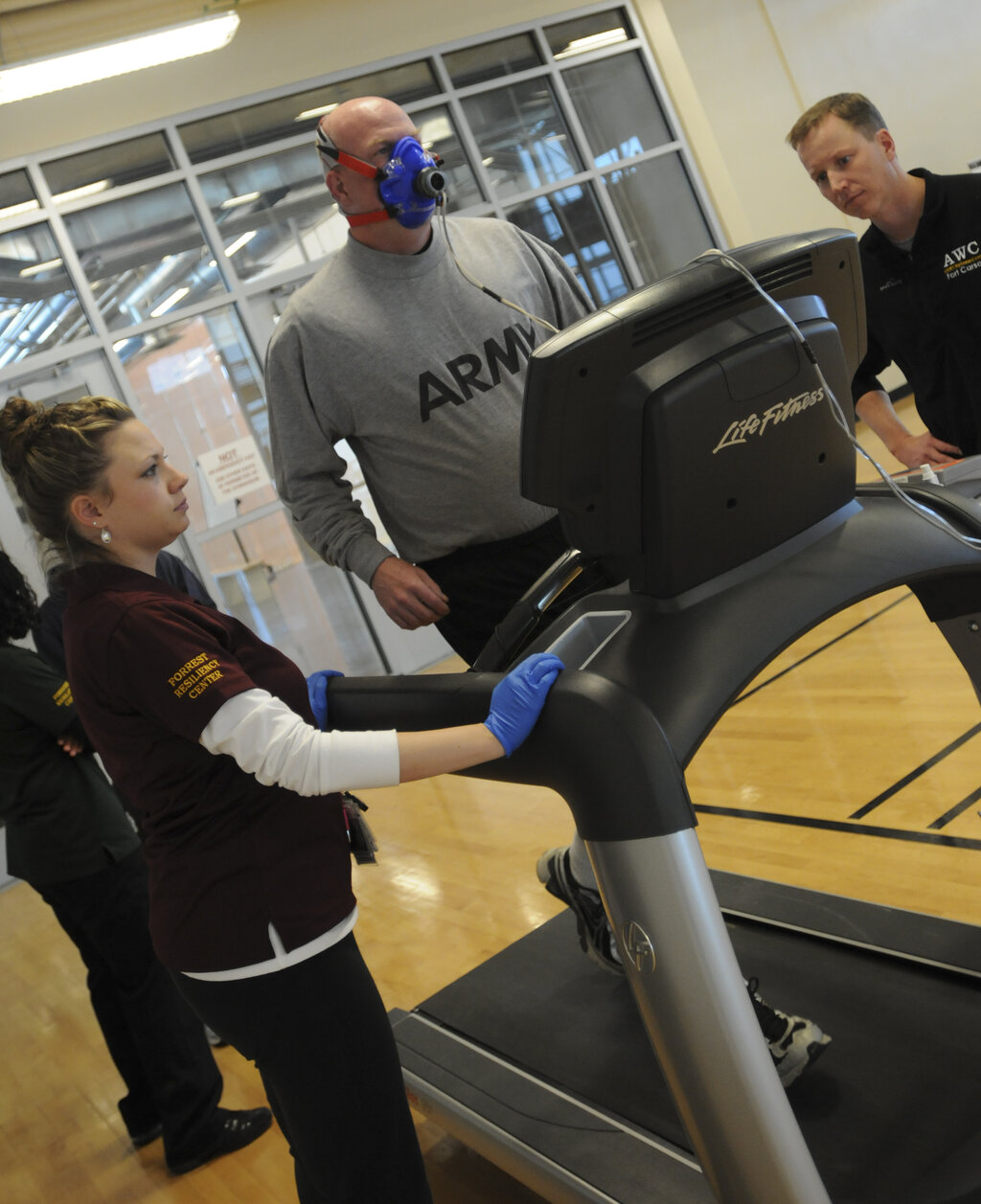
The respiratory system, composed of the lungs and airways, is responsible for gas exchange. When you inhale, you bring oxygen into your lungs, where it passes into the bloodstream. When you exhale, you remove carbon dioxide that the blood has brought back from the working muscles.
During exercise, both systems ramp up their activity. Your heart beats faster and more forcefully to pump more blood. Your breathing becomes deeper and more frequent to maximize oxygen intake and carbon dioxide removal. These systems work in tight coordination to meet the body's increased demands.
What are the names of the tiny protein filaments that slide past each other to cause muscle contraction?
An athlete competing in a 100-meter sprint would primarily rely on which type of muscle fiber for explosive power?