Master Salary Negotiation
Understanding Salary Structures
More Than Just a Number
When you get a job offer, the first thing most people look at is the salary. But that number is just one piece of a much larger puzzle. To truly understand what a company is offering you, you need to look at the total compensation package.
Consider the total compensation package, not just the base salary.
Total compensation includes everything of value that an employee receives from their employer. It’s the combination of your regular paycheck plus all the other benefits and perks that come with the job. Thinking about it this way gives you a complete picture of your potential earnings and quality of life.
The Building Blocks of Compensation
Let's break down the common components that make up a total compensation package.
Base Pay is the fixed amount of money you receive on a regular basis, either as an annual salary or an hourly wage. It's the most predictable part of your compensation.
Bonuses and Incentives are forms of variable pay, meaning they aren't guaranteed. They're often tied to performance, either your own, your team's, or the company's. This category includes annual bonuses, signing bonuses for new hires, and profit-sharing plans.
Benefits are non-cash forms of compensation that are crucial for financial security and well-being. Common benefits include:
- Health, dental, and vision insurance
- Retirement savings plans, like a 401(k) or pension
- Paid time off (vacation, sick days, and holidays)
- Life and disability insurance
Equity gives you a stake in the company's success. This is common in startups and tech companies and can come in the form of stock options or restricted stock units (RSUs). It can be a significant part of compensation, though its value can fluctuate with the company's performance.
Perks are the extras that improve your work experience. These can range from professional development funds and tuition reimbursement to wellness stipends, commuter benefits, and flexible work schedules.
How Salaries Are Set
Companies don't just pick salary numbers out of thin air. They use a structured approach based on a mix of internal and external factors.
Key factors include:
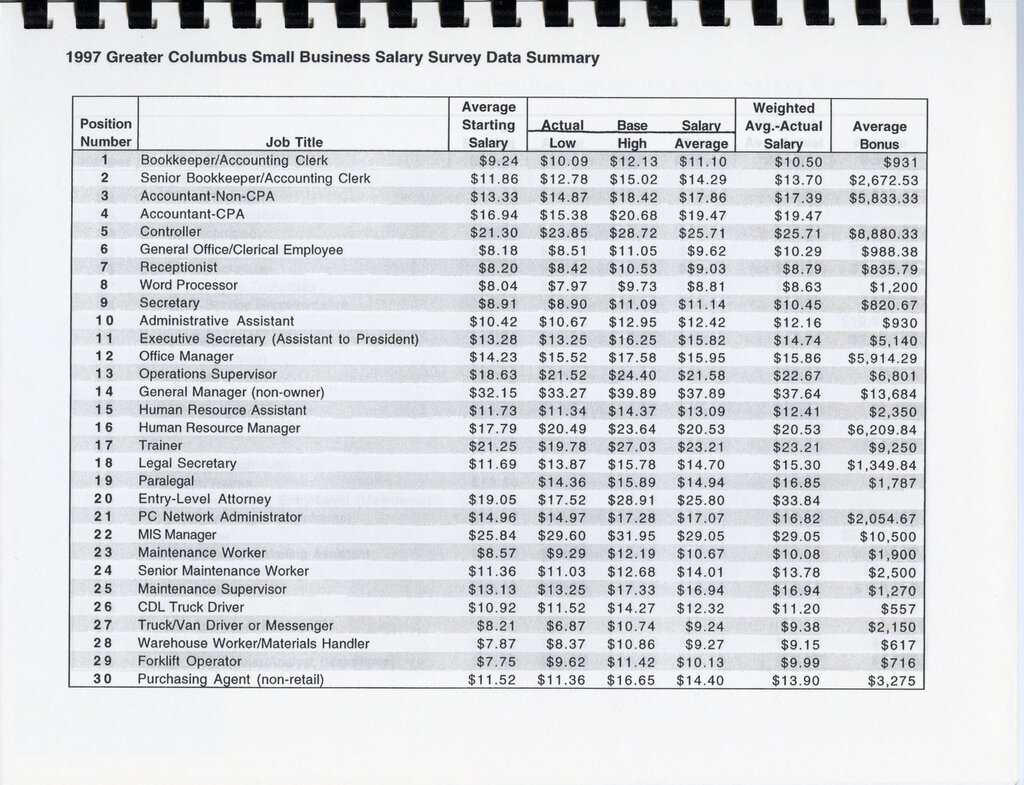
- Market Rate: Companies research what other businesses in their industry and location are paying for similar roles. This helps them stay competitive and attract talent.
- Job Responsibilities: The complexity, scope, and impact of a role heavily influence its pay. A senior manager with budget oversight will have a higher salary range than an entry-level individual contributor.
- Company Resources: A large, profitable corporation can typically offer higher salaries and more robust benefits than a small startup.
- Geographic Location: Salaries are often adjusted for the cost of living. A job in a major city like New York or San Francisco will usually pay more than the same job in a smaller town to account for higher living expenses.
- Internal Equity: Organizations strive to pay employees in similar roles fairly relative to one another. This involves creating defined salary bands or ranges for different job levels to ensure consistency.
Finding Your Market Value
Understanding how companies set salaries is one half of the equation. The other is knowing your own market value. This is an estimate of what someone with your skills, experience, and qualifications can expect to be paid for a specific role in a particular location and industry.
Assessing your market value empowers you to evaluate offers fairly and sets the stage for a confident negotiation.
To determine your market value, start by researching salary data. Use online tools like Glassdoor, Levels.fyi, or the U.S. Bureau of Labor Statistics. Look for salary ranges for your job title, industry, and location. Don't just look at one source; gather data from several to get a balanced view.
Next, honestly assess your skills and experience. How many years have you been in the field? Do you have specialized skills or certifications that are in high demand? Your unique qualifications can place you at the higher end of a typical salary range.
Finally, talk to people in your network. Connect with recruiters or peers in similar roles to get a real-world perspective on current compensation trends. The more information you have, the clearer your market value will become.
What does the term 'total compensation' encompass?
Which of the following is an example of equity in a compensation package?