Master Remote Meetings
Understanding Remote Meeting Dynamics
The Virtual Room
When a meeting moves from a conference room to a video call, more is lost than just the free coffee. We lose the shared physical space and all the subtle cues that come with it. In person, you can read the room. You can see who's leaning in, who's looking confused, and who's about to speak up. These non-verbal signals guide the flow of conversation naturally.
Online, much of that is gone. Laggy video, frozen screens, and limited camera views mean we're working with incomplete information. It’s harder to gauge reactions, which can lead to people talking over each other or, worse, not speaking at all. The natural rhythm of conversation gets disrupted.
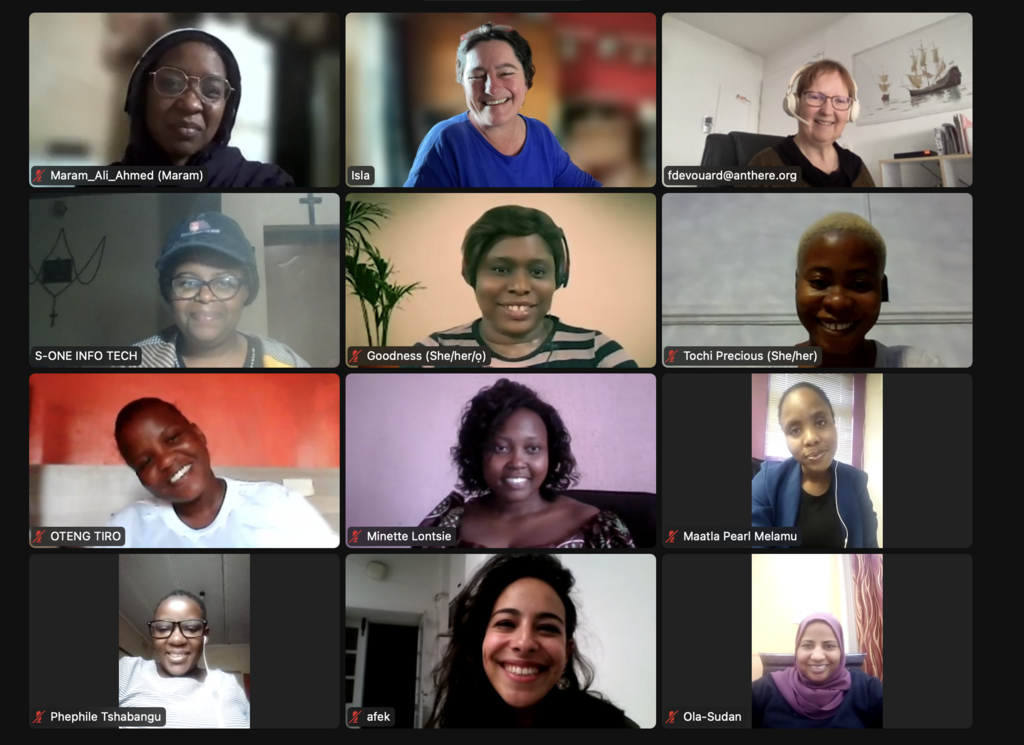
This creates new communication barriers. Is your colleague silent because they're deep in thought, or are they scrolling through their email? Without clear visual feedback, it's easy to misinterpret cues. This puts more pressure on everyone to be explicit. You can't just nod in agreement; you have to say, "I agree." You can't just look puzzled; you might need to say, "Can you explain that a different way?"
Taming the Clock and the Chaos
Beyond communication hurdles, there are logistical puzzles to solve, starting with time zones. Scheduling a meeting with team members in New York, London, and Mumbai requires careful planning. It's not just about finding a slot that avoids the middle of the night for everyone; it's about fairness. If one person constantly has to join calls at 6 AM, they're not being set up for success.
A good practice is to rotate meeting times. This ensures the burden of inconvenient hours is shared equally across the team over time.
When you can't control the physical environment, you have to be deliberate about controlling the meeting's structure.
The most powerful tool for creating structure is a clear agenda. An agenda isn't just a list of topics; it's a roadmap for the conversation. It tells everyone why they are there, what will be discussed, and what the goals are. A well-crafted agenda ensures that the meeting stays focused and respects everyone's time.
Sending out the agenda at least 24 hours in advance allows people to prepare. They can gather their thoughts, review relevant documents, and come ready to contribute. This simple step can transform a meandering discussion into an efficient and productive session.
Building a Better Meeting Culture
Overcoming the challenges of remote meetings isn't just about logistics. It's about building a positive and inclusive virtual culture. This starts with establishing clear etiquette.
| Do | Don't |
|---|---|
| Mute yourself when not speaking | Multitask or work on other things |
| Use the "raise hand" feature to speak | Interrupt others while they're talking |
| Turn on your camera if possible | Have a distracting or unprofessional background |
| Arrive on time | Join late without notifying the host |
| Be concise and stay on topic | Dominate the conversation |
Beyond basic manners, a great remote culture actively encourages engagement. It's easy for participants to become passive listeners on a video call. To combat this, you need to make meetings interactive.
Don’t let your meetings become monotonous! Utilize features like polls, Q&A, and breakout rooms to increase engagement.
Many video conferencing platforms have built-in tools for this. Polls can quickly gauge group opinion. Breakout rooms allow for small-group discussions that make it easier for everyone to contribute. Even a simple chat box can be used for questions and sharing links without interrupting the main speaker.
Using these tools helps keep energy levels up and ensures that all voices, not just the loudest ones, are heard. Fostering this kind of environment is key to making remote meetings feel less like a chore and more like a productive collaboration.
Ready to test your knowledge on running effective remote meetings?
Why does the natural flow of conversation often get disrupted in online meetings compared to in-person ones?
What is a fair and effective way to schedule meetings for a team spread across significantly different time zones?
By being mindful of the unique challenges and opportunities of virtual settings, you can create remote meetings that are just as productive and engaging as their in-person counterparts.