Master Remote Meetings
Understanding Remote Meetings
The Modern Meeting Room
A remote meeting is a get-together that happens online instead of in a physical conference room. Team members use video conferencing, audio calls, or messaging apps to connect from wherever they are. This way of collaborating has become essential as more companies embrace remote and hybrid work models.
These virtual gatherings allow teams spread across different cities, countries, and time zones to share ideas, make decisions, and stay aligned on projects. Unlike a simple phone call, modern tools allow for screen sharing, digital whiteboards, and other interactive features that mimic the collaborative energy of being in the same room.
Benefits and Challenges
The most obvious benefit of remote meetings is flexibility. You can join from your home office, a coffee shop, or even a different country. This saves time and money on commuting and travel. It also opens up a global talent pool, allowing companies to hire the best person for a job, regardless of their location.
Remote meetings connect teams across continents, turning global talent into a local resource.
However, they aren't without their difficulties. We've all experienced the frustration of a frozen screen or choppy audio. Distractions from home, like a barking dog or a doorbell, can pull focus. It's also harder to read body language and subtle social cues through a screen, which can sometimes lead to misunderstandings.
However, remote meetings can also pose some challenges, such as technical issues, distractions, lack of engagement, and unclear expectations.
Tools of the Trade
A wide variety of platforms and tools make remote meetings possible. Each has its own strengths, from simple video calls to complex project management suites. The goal of these tools is to bridge the physical distance between team members and facilitate clear communication.
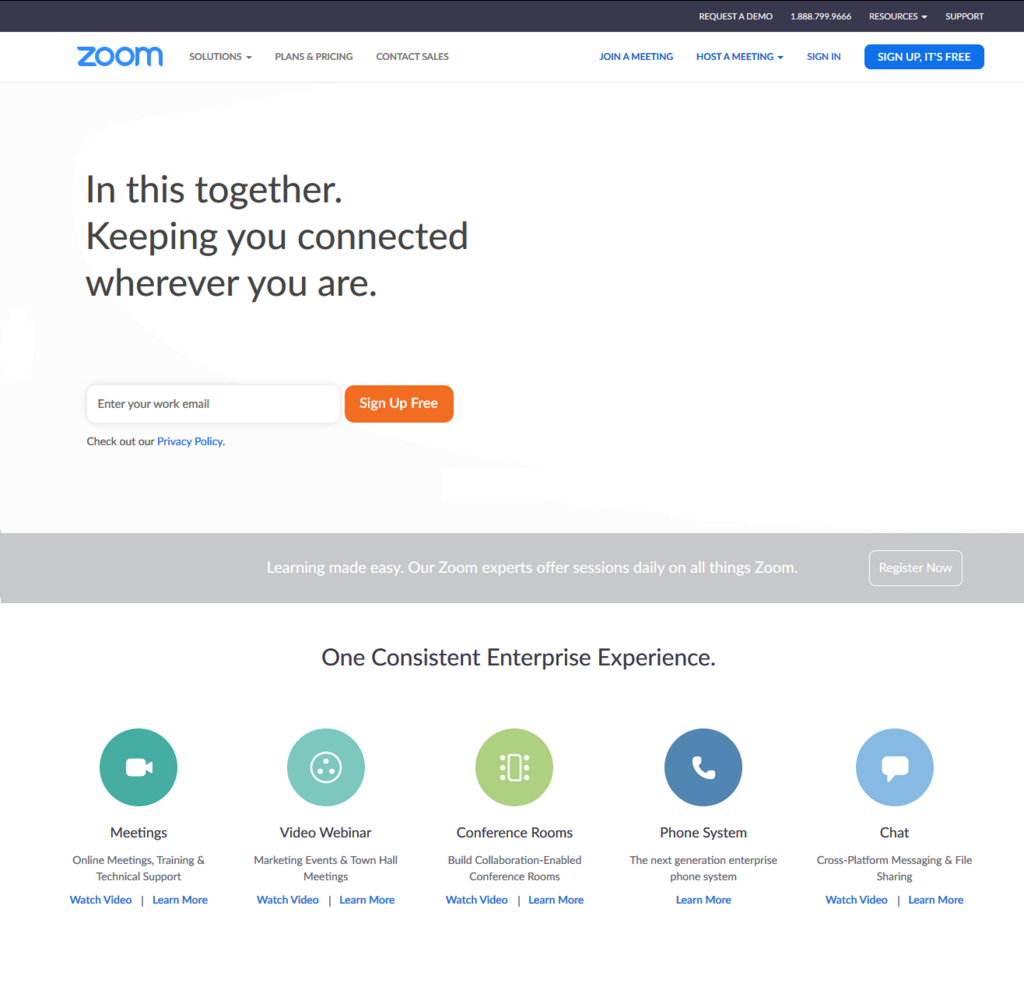
Most companies use a combination of tools to support their remote teams. Here's a look at some of the most common types.
| Tool | Primary Use | Key Feature |
|---|---|---|
| Zoom | Video Conferencing | Breakout rooms for smaller group work |
| Google Meet | Video Conferencing | Seamless integration with Google Calendar |
| Microsoft Teams | Team Collaboration Hub | Combines chat, video, and file storage |
| Slack | Instant Messaging | Channel-based communication for topics |
Getting comfortable with these platforms is a key skill for anyone working in a modern team. They are the virtual offices where collaboration happens.
What is the primary characteristic of a remote meeting?
According to the text, which of these is a major benefit of remote meetings for a company?
With the right approach and tools, remote meetings can be just as productive as their in-person counterparts.