Master Five Core Recipes for Takeout Alternatives
Kitchen Essentials
The Right Tools for the Job
A well-equipped kitchen isn't about having every gadget imaginable. It’s about having the right tools that work well and make cooking easier and more enjoyable. With a few key essentials, you can tackle almost any recipe with confidence. Think of these as your kitchen's starting lineup, the core items you'll reach for again and again.
Good knife skills are the foundation of efficient and safe cooking.
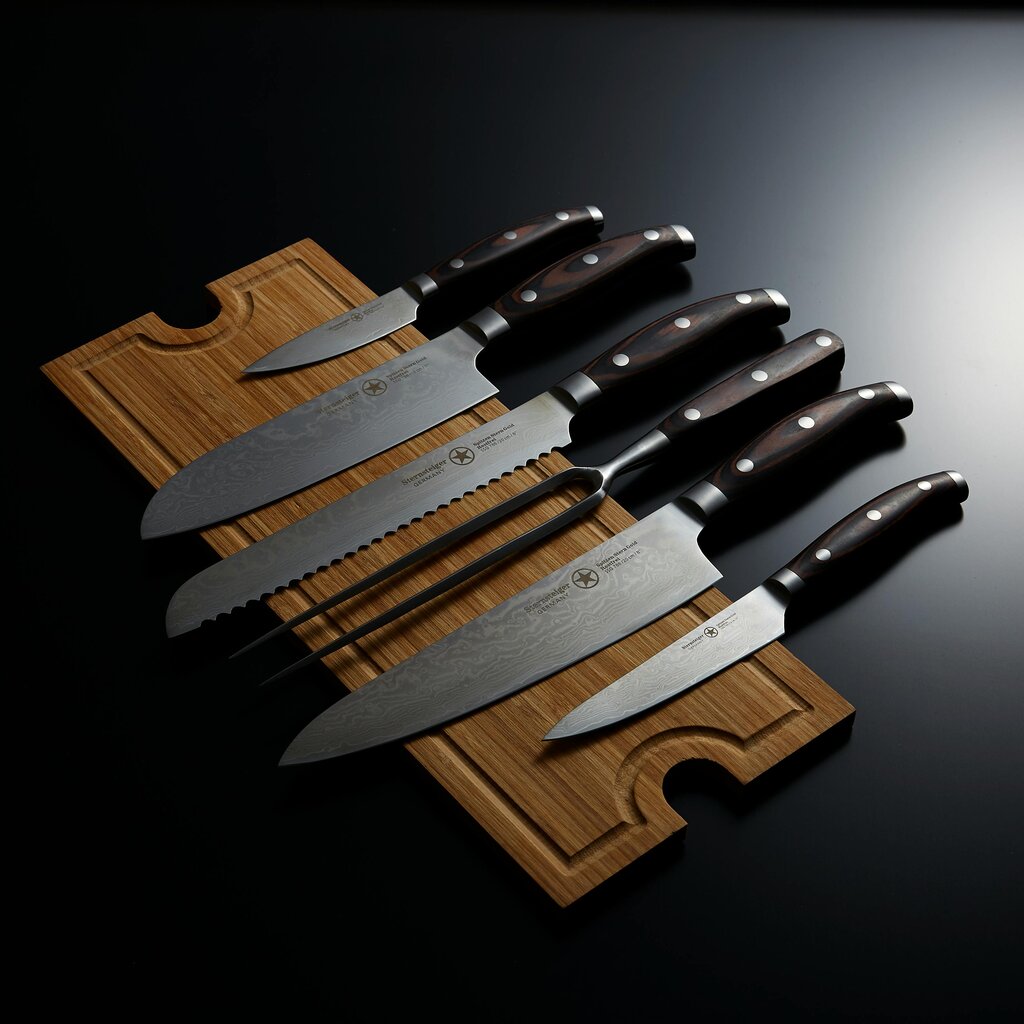
Let's start with the most important tool: a good knife. If you invest in only one high-quality item, make it a chef's knife. But to be fully prepared, you really only need three types of knives. A sturdy cutting board is also non-negotiable. Wood or plastic boards are best, as they won't dull your knives as quickly as glass or stone.
| Knife Type | Primary Use |
|---|---|
| Chef's Knife | The all-purpose workhorse for chopping, slicing, and dicing vegetables and meat. |
| Paring Knife | A small knife for detailed tasks like peeling, trimming, and slicing small fruits. |
| Serrated Knife | Its saw-like edge is perfect for cutting through bread and delicate items like tomatoes. |
Beyond knives, a few other utensils are essential. Measuring cups and spoons are crucial for accurate baking and consistent results in any dish. You'll need both a set for dry ingredients and a liquid measuring cup. A few mixing bowls in various sizes, a heat-resistant spatula for scraping and stirring, a whisk for blending, and a sturdy wooden spoon complete your basic toolkit.
Pots and Pans
For cookware, you don't need a massive 20-piece set. A few versatile pieces will cover most of your needs on the stovetop and in the oven.
Your go-to will be a 10- or 12-inch skillet, also known as a frying pan. It's perfect for sautéing, searing, and frying. A medium-sized saucepan with a lid is essential for making sauces, cooking grains, and boiling vegetables. Finally, a large stockpot is great for soups, stews, and boiling pasta.
The material of your cookware affects how it heats and cooks food. Stainless steel is a durable all-around choice, non-stick is great for delicate foods like eggs, and cast iron excels at holding high heat for searing.
Basic appliances do a lot of the heavy lifting. A stove and oven are standard, but a reliable microwave is invaluable for reheating leftovers and quickly steaming vegetables. A powerful blender can be used for more than just smoothies; it's great for puréeing soups and making sauces. A food processor is a step up, ideal for chopping large amounts of vegetables, making dough, and creating dips like hummus.
Care and Maintenance
Taking care of your tools ensures they last a lifetime. Always wash and dry your equipment promptly after use. Never put wooden spoons or good knives in the dishwasher. The high heat and harsh detergent can cause wood to crack and knife handles to deteriorate.
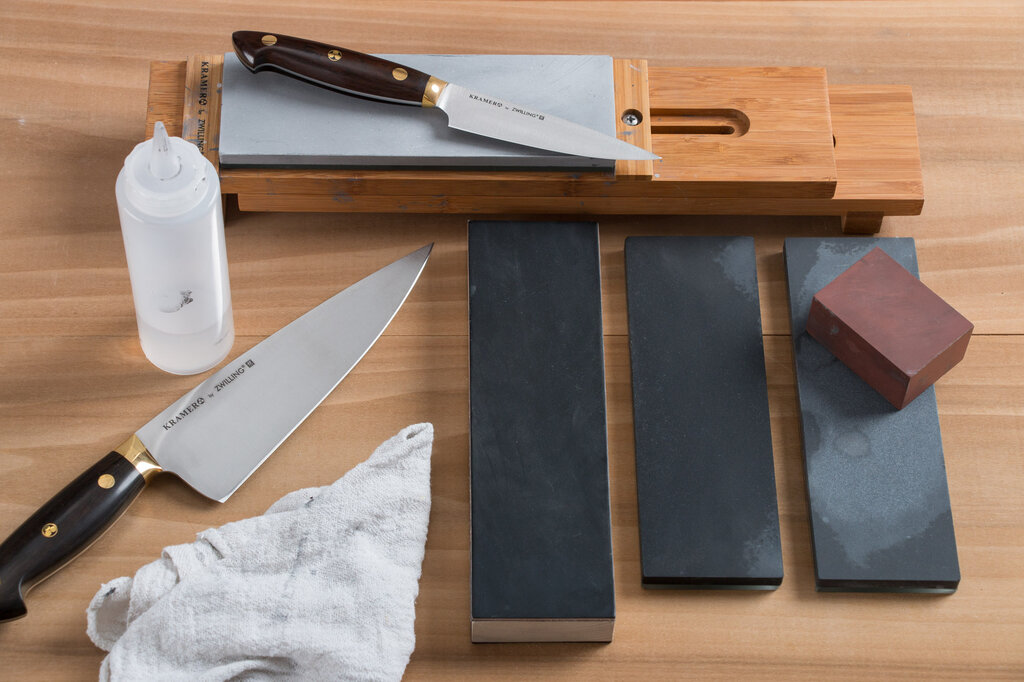
Speaking of knives, keeping them sharp is a matter of both performance and safety. A dull knife is more likely to slip and cause an injury than a sharp one. A simple knife sharpener or honing steel used regularly will maintain the edge.
For cookware, follow the manufacturer's cleaning instructions. Non-stick pans should be washed by hand with a soft sponge to protect the coating. Cast iron skillets require special care; they should be seasoned with oil to maintain their non-stick surface and prevent rust. Avoid using soap on well-seasoned cast iron.
To prevent your knives from dulling quickly, what type of cutting board is best to use?
According to the text, which three pieces of cookware form the foundation of a versatile kitchen?
With these basics in hand, you're ready to start cooking.