Master English A1 to B2
Basic English Foundations
The Building Blocks
Let's start with the absolute basics: the alphabet. The English alphabet has 26 letters. Each letter has an uppercase (big) and a lowercase (small) form.
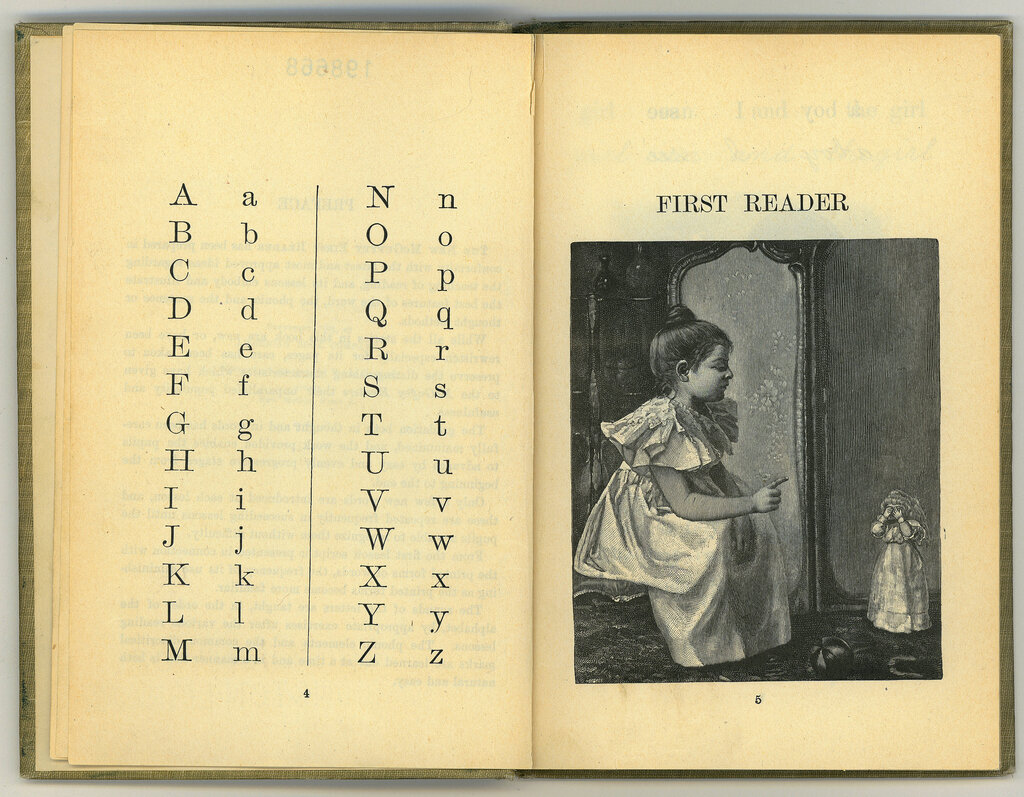
Here they are:
| Uppercase | Lowercase | Uppercase | Lowercase |
|---|---|---|---|
| A | a | N | n |
| B | b | O | o |
| C | c | P | p |
| D | d | Q | q |
| E | e | R | r |
| F | f | S | s |
| G | g | T | t |
| H | h | U | u |
| I | i | V | v |
| J | j | W | w |
| K | k | X | x |
| L | l | Y | y |
| M | m | Z | z |
These letters are divided into vowels and consonants.
Vowels: A, E, I, O, U Consonants: All the other letters.
Pronouncing English words can be tricky, but knowing the letters is the first step. For now, just focus on recognizing them.
Counting in English
Next up are numbers. Knowing how to count is essential for everything from telling time to buying a coffee.
| Number | Word | Number | Word |
|---|---|---|---|
| 1 | one | 11 | eleven |
| 2 | two | 12 | twelve |
| 3 | three | 13 | thirteen |
| 4 | four | 14 | fourteen |
| 5 | five | 15 | fifteen |
| 6 | six | 16 | sixteen |
| 7 | seven | 17 | seventeen |
| 8 | eight | 18 | eighteen |
| 9 | nine | 19 | nineteen |
| 10 | ten | 20 | twenty |
After twenty, the pattern becomes easier. You just combine the word for the tens place with the word for the ones place.
For example, 21 is "twenty-one." 35 is "thirty-five." 88 is "eighty-eight."
Here are the tens:
30 - thirty 40 - forty 50 - fifty 60 - sixty 70 - seventy 80 - eighty 90 - ninety 100 - one hundred
First Conversations
Now that you know some letters and numbers, let's learn how to have a simple conversation. Greetings are the best way to start.
| Situation | Phrase | Response |
|---|---|---|
| Saying hello | Hello / Hi | Hello / Hi |
| Asking how someone is | How are you? | I'm fine, thank you. / I'm good. |
| Introducing yourself | My name is... | Nice to meet you. |
| Asking for a name | What is your name? | My name is... |
| Saying goodbye | Goodbye / Bye | Goodbye / Bye |
Let's see how this looks in a short conversation.
Maria: Hello! David: Hi! My name is David. What is your name? Maria: My name is Maria. Nice to meet you. David: Nice to meet you too.
Making Simple Sentences
The most basic English sentence has a simple pattern: Subject-Verb-Object (SVO).
- The Subject is who or what does the action. (e.g., I, you, the cat)
- The Verb is the action. (e.g., like, eat, read)
- The Object is what receives the action. (e.g., coffee, apples, a book)
Think of it like building with blocks. You put the blocks in order to make a sentence.
Here are a few more examples:
- She eats an apple. (Subject: She, Verb: eats, Object: an apple)
- They play soccer. (Subject: They, Verb: play, Object: soccer)
- We learn English. (Subject: We, Verb: learn, Object: English)
This simple SVO structure is the foundation for almost every sentence you will make in English.
Time to review what you've learned so far.
Let's check your understanding with a few questions.
Which of the following letters is a vowel?
How do you write the number 42 in words?
Practice these basics every day. Saying the alphabet, counting your steps, or greeting a friend in English are great ways to start. These small steps build a strong foundation for everything that comes next.