Master Digital File Organization
Understanding Digital File Organization
Taming Digital Chaos
Our digital lives are filled with files. From work reports and project plans to family photos and personal documents, the number of files we create, download, and share grows every day. Without a plan, this digital space can become as cluttered as a messy desk or a disorganized closet. It's easy to just save a file to the desktop or the downloads folder, thinking you'll deal with it later. But 'later' often never comes.
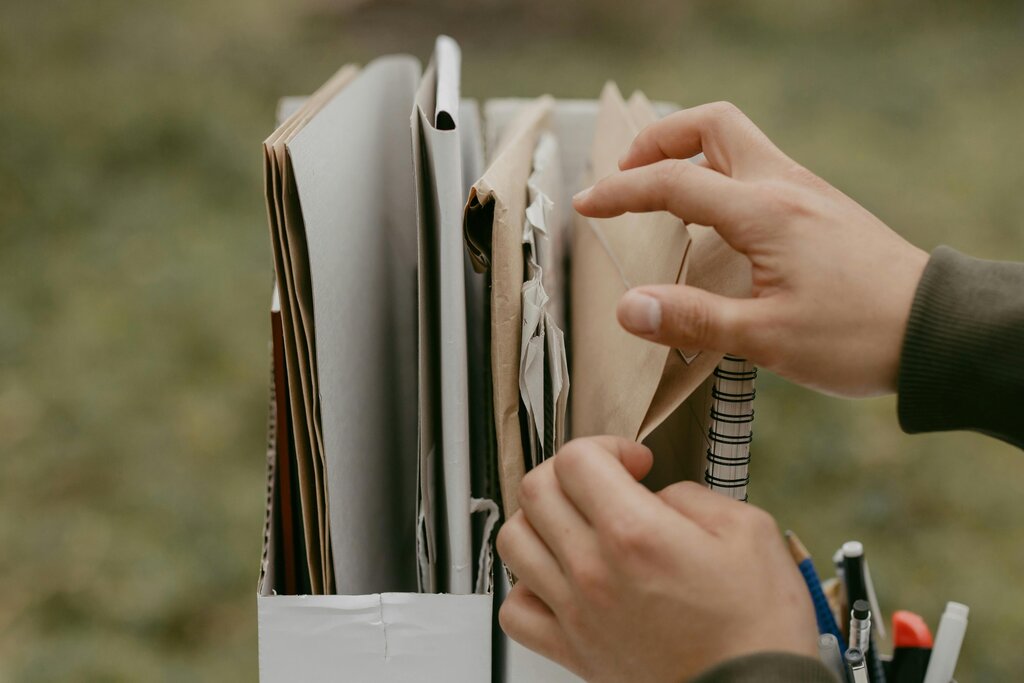
This digital clutter isn't just an aesthetic problem. It has real consequences for our productivity and peace of mind. Every minute spent searching for a lost file is a minute not spent on important work. This constant, low-level friction adds up, creating unnecessary stress and inefficiency.
The Cost of Clutter
When your digital files are a mess, you face several common challenges. You waste valuable time hunting for documents you know you have somewhere. You might accidentally send an outdated version of a report to a colleague, causing confusion and rework. The simple act of trying to find a specific file can break your concentration and derail your train of thought.
This disorganization affects more than just you. On a team, a messy shared drive can bring collaboration to a halt. Team members can't find the resources they need, different versions of the same file float around, and nobody is sure which document is the most current. It’s a recipe for frustration and missed deadlines.
If you can't find it, you can't use it. An unfindable file is no more useful than a deleted one.
A System for Success
The solution is to approach file management with intention. By creating a systematic way to organize your digital files, you build a foundation for efficiency. A clear system means you know exactly where to save a new file and exactly where to find an old one. This isn't about rigid rules or a one-size-fits-all approach. It's about creating a logical structure that works for you and your team.
Organizing your digital files isn't just about being tidy — it's about creating a system that helps you find what you need quickly, collaborate effectively, and work with maximum efficiency.
The benefits are immediate. You reclaim lost time, reduce mental clutter, and make collaboration seamless. Instead of fighting with your file system, it becomes a reliable tool that supports your work.
Think of it as building a library. A library isn't just a room full of books; it's a system for categorizing, storing, and retrieving information. A well-organized digital space serves the same purpose. It turns chaos into order, making your digital assets accessible and useful.
Ready to build your own system? Let's check your understanding of why it's so important.
What is a primary consequence of digital clutter for an individual's productivity?
A team frequently sends out old versions of reports and struggles to find the latest project files. According to the text, what is the most likely cause of this problem?
Creating an organized digital workspace is the first and most critical step toward better productivity. With this foundation in place, you'll be ready to learn the specific techniques for naming files and structuring folders.