Master Digital File Organization
Understanding Digital File Organization
The Search for a Lost File
We’ve all been there. You’re on a deadline, and you desperately need a specific document. You know you saved it somewhere, but where? You start searching through folders with names like “Stuff,” “Downloads,” and “Important.” Panic sets in as you realize the file is lost in a digital jungle of your own making.
This frantic search is more than just an annoyance. It’s a major drain on time, energy, and productivity. The solution isn’t just about being tidy; it's about creating a system that works for you. A well-organized digital space means you can find what you need in seconds, not minutes (or hours).
Organizing your digital files isn't just about being tidy — it's about creating a system that helps you find what you need quickly, collaborate effectively, and work with maximum efficiency.
When your files are in order, you can focus on the actual work instead of just trying to find it. This clarity reduces stress and makes collaboration smoother, as colleagues can also navigate your system when needed.
Why Digital Clutter Happens
If digital organization is so beneficial, why do so many of us struggle with it? The problem often starts with volume. We create, download, and receive hundreds of files weekly. Without a plan, this steady stream quickly becomes an overwhelming mess.
Another common challenge is inconsistent habits. We save files to our desktop as a “temporary” measure, use vague names like “report-final,” and forget about them. Over time, these small habits create a huge problem. We end up with multiple versions of the same file, no clear logic for where things are stored, and a search function that returns a dozen irrelevant results.
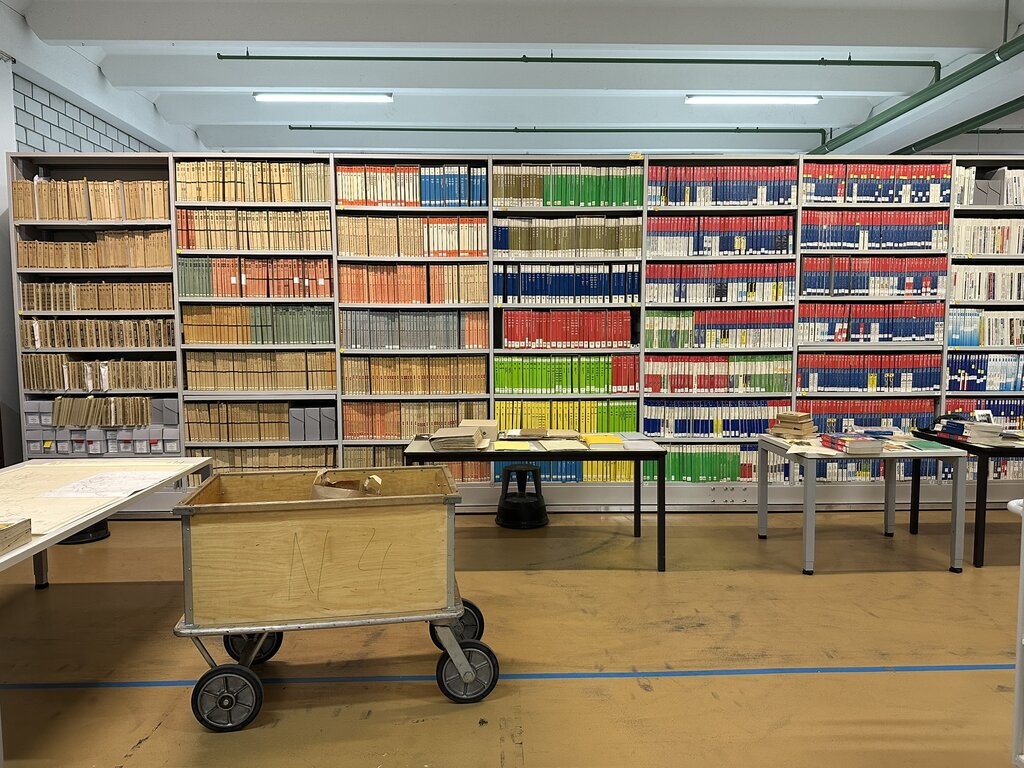
This disorganization makes it difficult to remember the context of a file. What was that “Meeting Notes” document from six months ago even about? Without a system, our past work becomes nearly invisible, forcing us to reinvent the wheel instead of building on what we've already done.
Finding What You Need
So, how do we begin to tame the chaos? The first step isn't about buying new software or creating a complex system overnight. It’s about shifting your mindset. Think of your digital space like a library. Every file should have a logical, predictable home.
One foundational strategy is to think in broad categories. Before you even create a folder, consider the main areas of your work or personal life. Are you a student? Maybe your categories are your courses. Do you work in marketing? Perhaps your categories are “Campaigns,” “Reports,” and “Assets.” This high-level sorting is the first step toward creating order.
The goal of any filing system is simple: find what you need, when you need it.
Another key idea is to handle files as they arrive, not later. This is the “file-as-you-go” approach. When you download a bank statement or save a project draft, decide on its proper home immediately. Taking ten seconds to file it now saves you a ten-minute search later. Consistency is what turns a messy desktop into a functional workspace.
What is the primary consequence of a poorly organized digital filing system?
Which of the following is a common habit that leads to digital chaos?
Building these habits is the foundation of effective digital organization. In the next sections, we'll explore specific techniques for creating folder structures and naming conventions that make this process even easier.