Master Digital File Organization
Understanding Digital File Management
What is Digital File Management?
Think about a physical filing cabinet. To find a specific document, you'd look for a labeled drawer, then a labeled folder. Digital file management is the same idea, but for your computer, phone, and cloud storage. It’s the process of naming, storing, and organizing your digital files so you can find them quickly and easily.
Without a system, digital spaces can become chaotic. Desktops get cluttered with stray icons, download folders overflow, and file names become meaningless puzzles like Report-final-v2-revised.docx. This disorganization leads to wasted time and frustration when you can't find that one important file you know you saved somewhere.
Computer users spend time every day interacting with digital files and folders, including downloading, moving, naming, navigating to, searching for, sharing, and deleting them.
Simply put, file management is about creating a logical home for everything, making your digital life less stressful and more efficient.
The Benefits of a Tidy Digital Space
Taking the time to organize your files pays off significantly. The most immediate benefit is saving time. Instead of spending ten minutes searching for a document, you can locate it in seconds. This reduces stress and lets you focus on the actual task at hand.
A well-organized system also improves productivity. When your files are logically arranged, your workflow becomes smoother. This is especially true when collaborating with others. A shared, organized folder structure ensures everyone on a team can find what they need without constantly asking for help.
The goal is simple: find what you need, when you need it. An organized system makes that possible.
Ultimately, a structured approach clears digital clutter, which in turn helps clear mental clutter. It creates a more professional and efficient environment, whether for personal projects or team-based work.
Your Digital Life as a Whole
File management isn't just for work documents. The same principles apply to everything in your digital life. This broader concept is often called Personal Information Management, or PIM.
PIM is about how you acquire, organize, maintain, and retrieve all the information you interact with daily. This includes not just your files and folders, but also your emails, photos, bookmarks, notes, and contacts. It’s about creating a holistic system that works for you across all your devices and platforms.
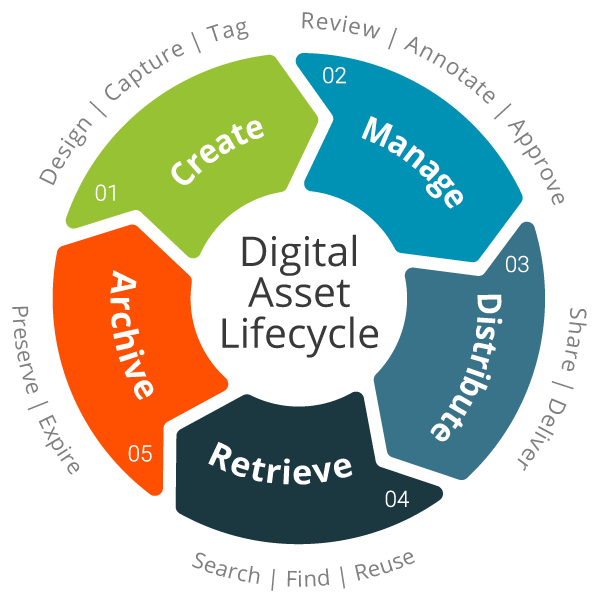
Thinking in terms of PIM helps you see that every piece of information has a lifecycle. By consciously managing how you handle information from the moment you create or receive it, you can build a more organized and manageable digital world for yourself.
Let's check what you've learned about the basics of keeping your digital world in order.
What is the main purpose of digital file management?
Which of the following file names best illustrates a poor file management practice?