Master Digital File Organization
Understanding Digital File Management
The Art of Digital Tidiness
Think about your computer's desktop or downloads folder. Is it a calm, orderly space, or a chaotic jumble of oddly named files and forgotten downloads? For most of us, it's the latter. Digital file management is simply the process of organizing all of those documents, images, and spreadsheets so you can find what you need when you need it.
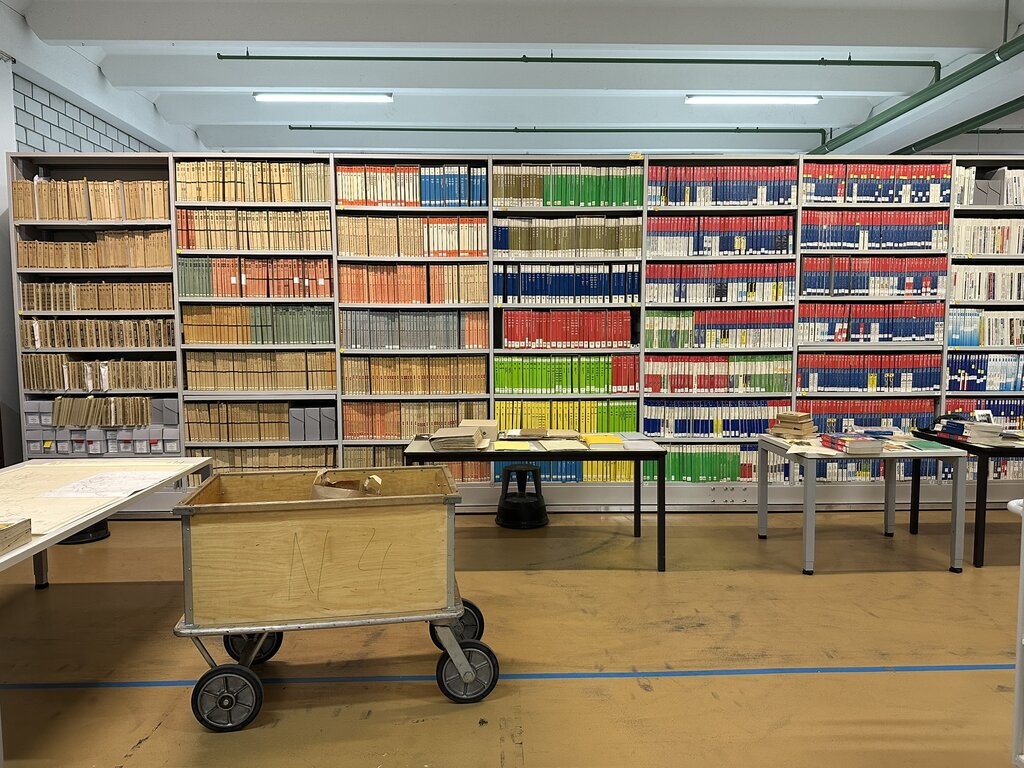
It’s not just about being neat. A good system turns your digital workspace from a source of stress into a tool for efficiency. Imagine a library where books are tossed into random piles versus one with a clear catalog system. Which one would you rather use to find information? Your computer is no different. The goal is to create a personal library for your digital life that is easy to navigate.
Digital file management will look different for each organization but they should all reach the same goal: find what you need, when you need it.
Why Bother Organizing?
Taking the time to organize your digital files pays off in several key ways. The most immediate benefit is a boost in productivity. Instead of wasting minutes—or hours—searching for a specific report or presentation, you can retrieve it instantly. This frees up mental energy you can use for more important tasks.
When you're working with a team, the benefits multiply. A shared, logical filing system ensures everyone knows where to find project files and where to save new ones. It cuts down on endless email chains asking, “Can you send me the latest version?” and makes collaboration smoother and more effective.

Finally, good organization is crucial for security and compliance. When files are stored systematically, it's easier to manage sensitive information, control who has access, and follow company or legal data policies. This helps prevent accidental data loss and ensures important information is protected.
Taming the Digital Mess
If organizing is so great, why are so many of our digital spaces a mess? The main challenge is the sheer volume of files we handle every day. We download attachments, save drafts, and create new documents constantly. Without a plan, this quickly leads to digital clutter.
Common problems include files with vague names like Untitled_Document_1.docx, multiple versions of the same file saved in different locations, and a downloads folder that serves as a digital junk drawer. This disorganization makes finding anything a frustrating treasure hunt and can even lead to using outdated information by mistake.
Overcoming these challenges starts with a few basic practices. You don't need a complex system, just a consistent one. Begin by creating a central place for your files, whether it’s a specific folder on your computer or a cloud storage service. From there, group related files together in a way that makes sense to you or your team.
One of the most effective ways to prevent file management chaos is to adopt the “file-as-you-go” approach. Don't let files pile up; put them in their proper home as soon as you create or receive them.
The most important part of any system is using it consistently. By making digital organization a regular habit, you create a workspace that supports your goals instead of getting in your way.