Master Data Analysis Fundamentals
Introduction to Master Data Management
What is Master Data?
Imagine you have a friend named Alex. You have Alex's number in your phone's contacts. Your partner has it in theirs, and your work might have it in an emergency contact list. But what if Alex moves and gets a new number? Suddenly, everyone has a different, outdated version of the same information. Now scale that problem to a massive company, and you'll understand the challenge of managing master data.
Master data is the core, essential data an organization relies on. It describes the key entities of the business: customers, products, employees, suppliers, and locations. It’s not transactional data like sales figures or website clicks. Instead, it’s the foundational “noun” data that those transactions are about. A sale involves a customer and a product; the details about that customer and product are master data.
Master Data
noun
The critical, non-transactional data that describes the core entities of a business, such as customers, products, and suppliers.
Master Data Management (MDM) is the discipline of creating one single, trusted, and authoritative source for this data. It’s a combination of technology, processes, and governance to ensure that master data is consistent, accurate, and reliable across the entire organization.
A master data management strategy is a foundational framework that outlines how an organization manages, governs, and maintains its most critical data assets across various systems, departments, and business functions.
The Challenge of Data Chaos
Without MDM, data chaos is common. Different departments often collect and store their own versions of the same information. The sales team might have a customer record in their CRM system, while the finance team has a separate record in their billing system. Marketing might have another version in their email platform.
If a customer updates their address with the sales team, does that change get reflected everywhere? Often, it doesn't. This creates data silos where information is trapped and becomes inconsistent. This inconsistency leads to real business problems, from shipping products to the wrong address to sending marketing materials to someone who has opted out.
| Challenge | Without MDM | With MDM |
|---|---|---|
| Customer Data | Multiple, conflicting records for the same customer. | One golden record for each customer. |
| Reporting | Inaccurate reports based on fragmented data. | Trusted, reliable analytics for decision-making. |
| Operations | Wasted time reconciling data and fixing errors. | Streamlined processes and improved efficiency. |
| Compliance | Difficulty meeting data privacy and accuracy rules. | Easier to govern data and ensure compliance. |
Benefits of a Single Source of Truth
The goal of MDM is to create a “single source of truth.” When everyone in an organization works from the same, high-quality master data, powerful things happen.
First, decision-making improves dramatically. When leaders trust their reports, they can make strategic choices with confidence. They know the customer analytics, product performance figures, and supplier data are all accurate.
Second, operational efficiency gets a major boost. Employees spend less time hunting for the right information or correcting errors caused by bad data. Processes like order fulfillment, customer support, and financial closing become faster and more reliable.
Finally, the customer experience is enhanced. With a unified view of each customer, a company can provide seamless and personalized service. A support agent can see a customer's entire purchase history, and the marketing team knows their preferences, leading to a more consistent and positive relationship.
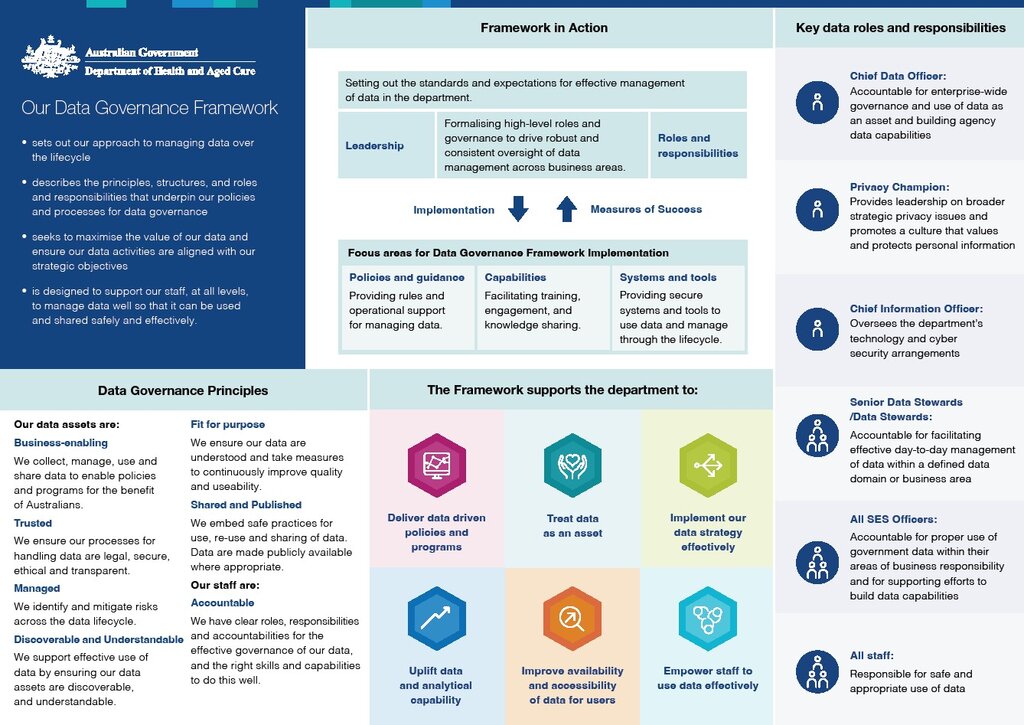
By establishing this clean, reliable data foundation, MDM enables an organization to function more intelligently and cohesively. Now, let's check your understanding of these core concepts.
Which of the following best describes master data?
A company's sales team has a customer's address as "123 Main St," while the billing department has it as "123 Main Street, Apt 4B." This discrepancy is a classic example of what problem that MDM aims to solve?
Ultimately, Master Data Management isn't just a technical project; it's a business initiative that brings clarity and consistency to an organization's most valuable data assets.