Master dApp Development Environments
Introduction to dApp Development
What Are dApps?
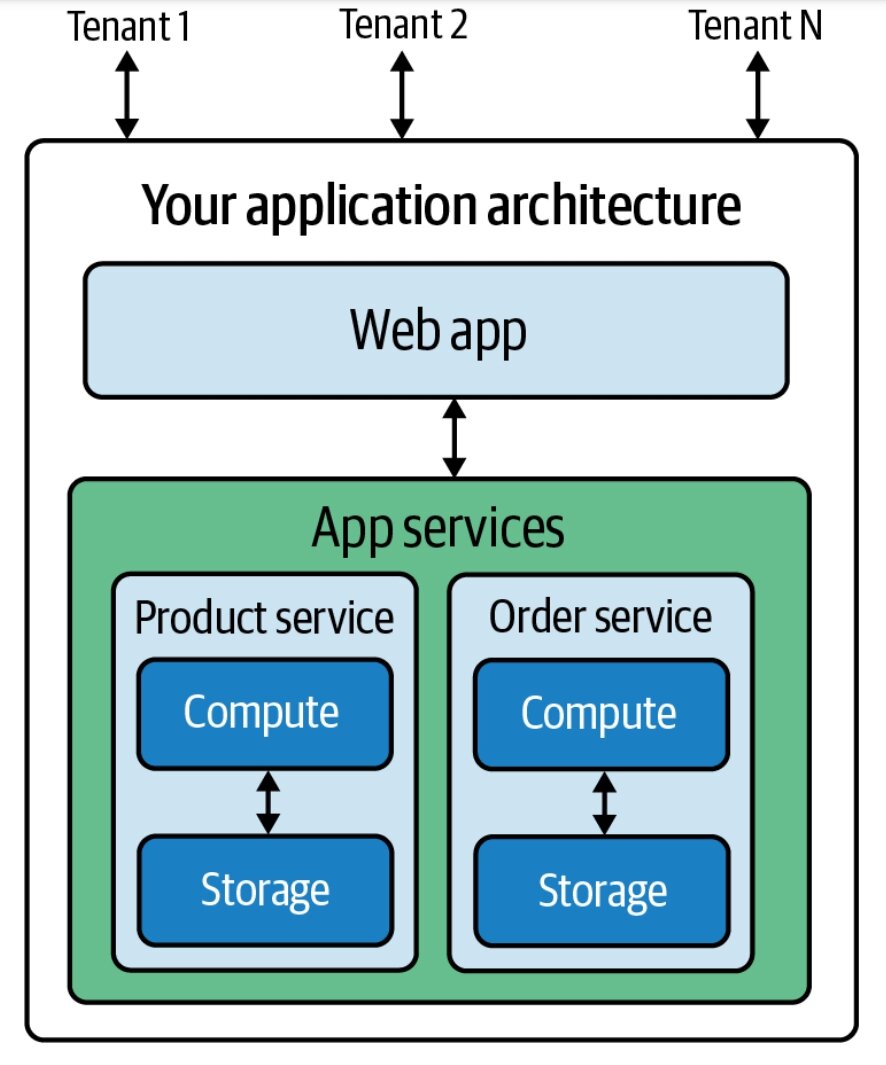
You use regular applications every day. Think of your banking app or your favorite social media feed. These are centralized, meaning they run on servers owned and controlled by a single company. If that company's servers go down, the app stops working. They also have full control over your data and can change the rules at any time.
A decentralized application, or dApp, is different. Instead of running on a central server, it runs on a peer-to-peer network, like a blockchain. This means no single person or company owns it. The application's code is open, and it operates based on rules that everyone on the network agrees on.
In a dApp, the backend logic runs on a decentralized network, not a centralized server. This gives it resilience and transparency.
The Ethereum Foundation
While dApps can be built on various blockchains, Ethereum is the most popular and established platform for them. Think of Ethereum as a global, decentralized computer that anyone can use but no one owns. It's a shared computing platform that's always running and can't be shut down.
This global computer is powered by its own cryptocurrency, Ether (ETH). To run code or store data on the Ethereum network, you need to pay a small transaction fee in ETH. This fee, known as "gas," compensates the network participants who contribute their computing power to keep everything running securely.
The Brains of the Operation
So how does a dApp actually run on Ethereum? The answer is through smart contracts.
Smart Contract
noun
A self-executing contract with the terms of the agreement directly written into code. The code and the agreements contained therein exist across a distributed, decentralized blockchain network.
A smart contract is the backend code for a dApp. It's like a set of rules that automatically executes when certain conditions are met. A classic analogy is a vending machine. You select an item (condition 1), insert the correct amount of money (condition 2), and the machine automatically dispenses your snack (execution). There's no need for a cashier or any third-party intervention.
Smart contracts on Ethereum are most commonly written in a programming language called Solidity. These contracts define the dApp's logic, from how users can interact with it to how data is stored and managed on the blockchain.
A contract is a fundamental block of building an application on Ethereum.
Your Development Toolkit
You don't build a dApp by connecting directly to the main Ethereum network. That would be slow, expensive, and risky. Instead, developers use specialized toolkits called development environments to build and test their applications locally on their own computers.
These environments provide a simulated blockchain, allowing you to compile your smart contracts, run automated tests, and debug your code without spending any real ETH. Two of the most popular Ethereum development environments are Hardhat and Truffle.
| Feature | Hardhat | Truffle |
|---|---|---|
| Primary Language | JavaScript & TypeScript | JavaScript |
| Key Strength | Flexibility, plugin ecosystem, and powerful testing features. | Long-standing, mature, and well-integrated suite of tools. |
| Best For | Developers who want a modern, highly customizable workflow. | Developers looking for an established, all-in-one solution. |
Both are excellent choices for setting up a professional development environment. They handle the complex parts of interacting with the blockchain, letting you focus on writing the code for your smart contracts and building the user-facing part of your dApp.
Hardhat is an Ethereum development environment and framework designed for full stack development and is the framework that I will be using for this tutorial.
With a basic understanding of dApps, Ethereum, smart contracts, and development tools, you're ready to explore the fundamentals of setting up your own project.
What is the primary difference between a decentralized application (dApp) and a traditional centralized application?
In the context of Ethereum, what is "gas"?