Master Critical Thinking Exams
Introduction to Critical Thinking
What Is Critical Thinking?
Most of us make hundreds of decisions every day. What to eat for breakfast is easy. Deciding which candidate to vote for, what car to buy, or whether to accept a new job offer is harder. You could go with your gut, or you could think critically.
Critical thinking isn't about being negative or finding fault. It's the process of actively and carefully analyzing information to form a judgment or make a decision. It’s a way of thinking that helps you move past a surface-level understanding to see what’s really going on.
Critical thinking is clear, reasonable, reflective thinking focused on deciding what to believe or do.
Instead of passively accepting what you read or hear, a critical thinker asks questions. Who is telling me this? What is their evidence? Do they have an agenda? This disciplined approach helps you form conclusions that are well-reasoned and logical.
The Core Components
Thinking critically involves a few key skills that work together. The three most important are analysis, evaluation, and inference.
Analysis
noun
The process of breaking down complex information or ideas into smaller, more manageable parts.
Imagine a mechanic looking at a car that won't start. They don't just see a broken car; they analyze the situation by checking the battery, the fuel lines, and the engine one by one. In the same way, analysis in critical thinking means examining the different pieces of an argument, such as its claims, evidence, and assumptions, to understand how they fit together.
Next comes evaluation. This is where you judge the credibility, relevance, and strength of the information you've just broken down. Is the source reliable? Is the evidence strong, or is it just someone's opinion? Evaluation is like being a detective, weighing the evidence to determine if it's strong enough to support a conclusion.
Finally, there's inference. An inference is a conclusion you reach based on evidence and reasoning. After analyzing and evaluating the information, you decide what it all means. If a political candidate promises to lower taxes but has a history of voting for tax increases, you might infer that their promise isn't reliable. This isn't a wild guess; it's a logical step based on the facts at hand.
Why It Matters
Developing critical thinking skills offers clear benefits in almost every area of life. It’s not just an academic exercise.
Strong critical thinkers make better decisions. They look at a problem from all angles, consider the pros and cons of different options, and anticipate potential outcomes. This leads to more successful results, whether you're choosing a college major or planning a company's budget.
This skill is also the foundation of effective problem-solving. By breaking a problem down (analysis), assessing potential solutions (evaluation), and forming a plan (inference), you can tackle challenges that might otherwise seem overwhelming.
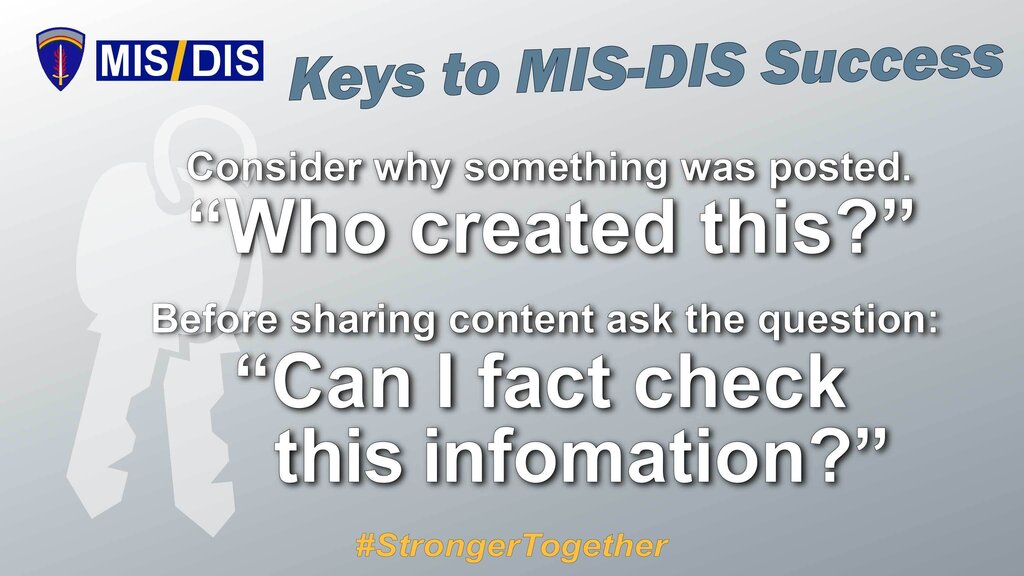
In a world overflowing with information, critical thinking is more important than ever. It helps you identify misinformation, recognize bias in media, and form your own informed opinions instead of simply accepting what others tell you. It empowers you to be an engaged and thoughtful citizen.
Ready to check your understanding of these core concepts?
Which of the following best describes critical thinking?
A detective arrives at a crime scene and begins to identify the key pieces of evidence: the type of weapon used, witness statements, and security camera footage. Which core critical thinking skill is she primarily using at this stage?
Critical thinking is a skill. Like any skill, it gets stronger the more you use it. By practicing analysis, evaluation, and inference, you can learn to approach any situation with more clarity and confidence.