Master Credit Card Rewards for Travel
Understanding Credit Card Rewards
The Basics of Rewards
Credit card rewards are perks you get for using your card. For every dollar you spend, the card issuer gives you a small reward back. These rewards usually come in the form of points or miles, which you can save up and redeem for things like flights, hotel stays, or even cash back.
Think of it as a thank-you from the bank for choosing their card for your purchases.
The goal is to earn rewards on purchases you were going to make anyway. With the right card and a little planning, your regular spending on groceries, gas, and bills can turn into your next vacation.
How You Earn Points
Earning rewards isn't complicated. It happens in a few key ways.
Sign-up Bonus
noun
A large, one-time batch of points or miles awarded to a new cardholder after they spend a certain amount of money within the first few months.
The sign-up bonus is often the fastest way to accumulate a lot of points. For example, a card might offer 50,000 bonus points if you spend $4,000 in your first three months. This initial boost can be enough for a round-trip flight right away.
Beyond that, you earn rewards on all your everyday spending. Most cards have a base earning rate, like one point for every dollar you spend. But the real power comes from bonus categories.
Utilizing cards with bonus categories that align with your spending habits can help earn rewards faster.
Bonus categories are specific types of purchases where a card earns rewards at a higher rate. A card might offer 3 points per dollar on dining or 5 points per dollar on flights booked directly with an airline. Aligning these categories with your spending habits is the key to maximizing the points you earn over time.
| Category | Spending | Points per $ | Points Earned |
|---|---|---|---|
| Dining | $500 | 3x | 1,500 |
| Groceries | $800 | 1x | 800 |
| Flights | $300 | 5x | 1,500 |
| Other | $400 | 1x | 400 |
| Total | $2,000 | 4,200 |
As you can see, strategic spending in bonus categories dramatically increases your earnings compared to a flat 1 point per dollar on everything.
Types of Rewards Programs
Not all points are created equal. They belong to different types of programs, which affects how you can use them.
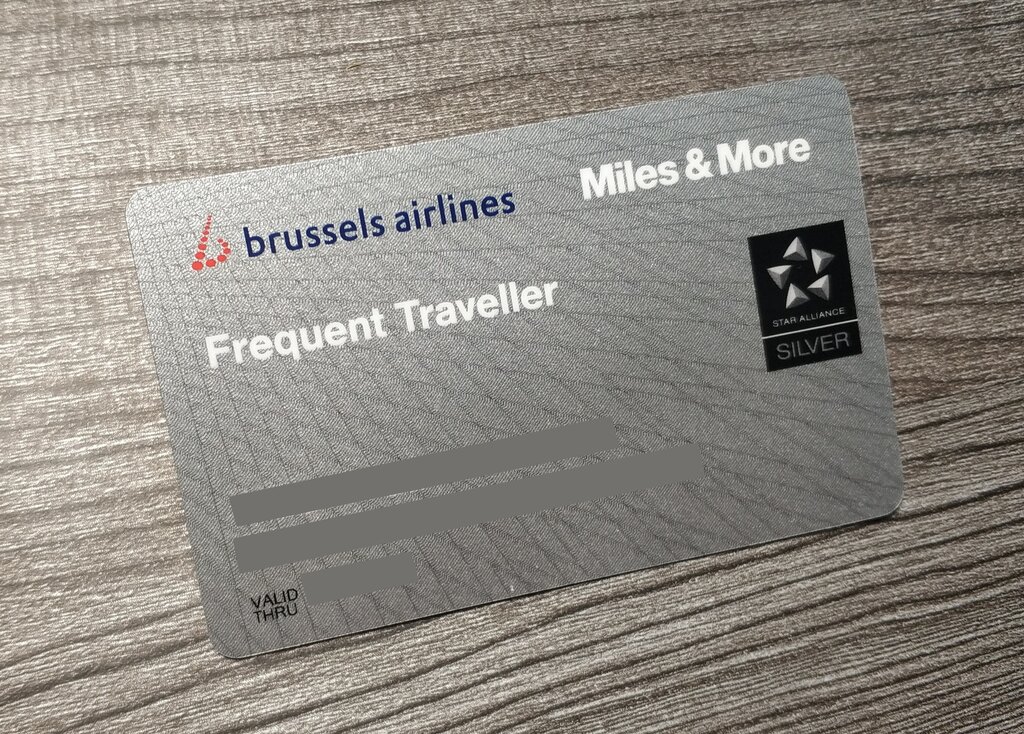
Co-branded cards are a partnership between a bank and a specific company, usually an airline or hotel chain. When you use a Delta Air Lines credit card, for instance, you earn Delta SkyMiles directly. These are great if you're loyal to one brand. The card often comes with brand-specific perks, like free checked bags or late checkout.
Flexible rewards programs are run by the card issuers themselves, like Chase Ultimate Rewards or American Express Membership Rewards. The points you earn are held by the bank. Their main strength is versatility. You can often redeem them through the bank's travel portal or, for potentially greater value, transfer them to a number of different airline and hotel partners.
This flexibility allows you to shop around for the best deal when you're ready to redeem. You aren't locked into a single airline or hotel's award chart.
Ready to test your knowledge?
What is the primary goal of using a credit card with a rewards program, as described in the text?
What is the term for specific types of purchases (like dining or groceries) where a card earns rewards at an accelerated rate?
Choosing the right card means matching its reward structure to how you live and spend. By understanding these basics, you're on your way to making your spending work for you.