Master Core Recipes For Delicious Home Cooking
Kitchen Essentials
The Core Toolkit
Every kitchen, no matter how big or small, runs on a few essential tools. These are the items you'll reach for almost every time you cook. Think of them as your foundational gear.
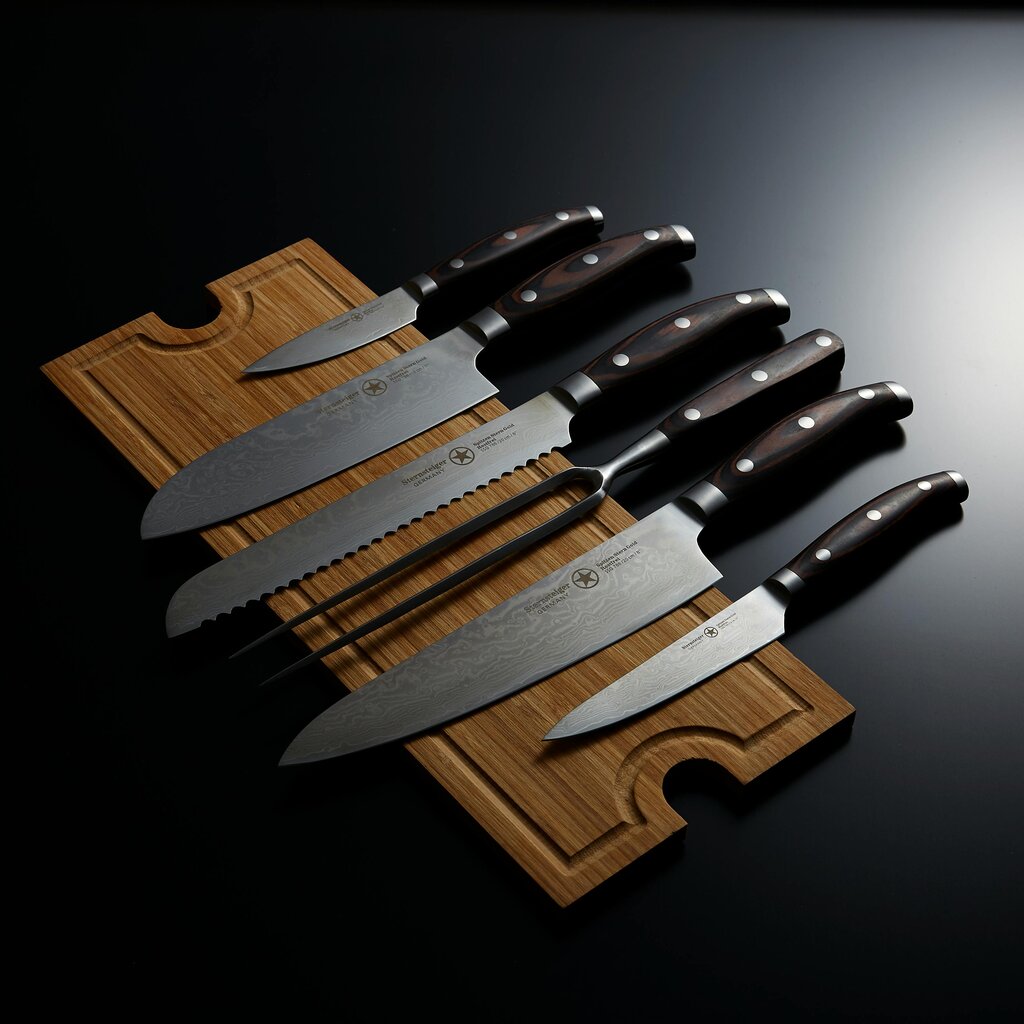
Good knife skills are the foundation of efficient and safe cooking.
The most important tool is a good chef's knife. An 8-inch chef's knife is versatile enough for most tasks, from dicing onions to mincing herbs. It should feel comfortable and balanced in your hand. Paired with a sturdy cutting board, it's the primary workstation for all your prep. Wooden or plastic boards are best; they won't dull your knife like glass or stone will.
Next up are mixing bowls and measuring tools. A set of nesting bowls saves space and gives you options for everything from mixing batter to tossing salads. For accuracy, you'll need two types of measuring cups: one set for dry ingredients (flour, sugar) and a liquid measuring cup with a spout for wet ingredients (water, milk). A set of measuring spoons is also non-negotiable.
Rounding out the basics are a few key utensils: a whisk for beating eggs and making sauces, a spatula for scraping bowls and folding ingredients, and a sturdy wooden spoon that won't scratch your pans.
Pots and Pans
With your prep tools sorted, the next step is the cookware. You don't need a massive 20-piece set. A few versatile pieces will handle the majority of recipes.
A good sauté pan or skillet is essential. A 10 or 12-inch model is perfect for searing meat, stir-frying vegetables, and making pan sauces. Stainless steel is a great all-around choice for its durability and even heating. A non-stick skillet is also useful for delicate foods like eggs and pancakes.
| Cookware Type | Material | Best For |
|---|---|---|
| Sauté Pan | Stainless Steel, Non-stick | Searing, frying, sauces |
| Saucepan | Stainless Steel, Anodized Aluminum | Boiling, simmering, making sauces |
| Stockpot | Stainless Steel | Soups, stews, boiling pasta |
| Dutch Oven | Enameled Cast Iron | Braising, roasting, baking bread |
You'll also need a saucepan (2-3 quarts is a good starting size) for boiling water, simmering sauces, and cooking grains. Finally, a large stockpot is necessary for making soups, stews, or boiling a big batch of pasta.
If you can add one more item, consider a cast-iron skillet or a Dutch oven. Both are incredibly versatile, moving from stovetop to oven with ease, and will last a lifetime with proper care.
Small Appliances
Appliances can quickly clutter a countertop, but a few key machines are worth the space. These tools take over repetitive or difficult tasks, saving you time and effort.
A blender is fantastic for more than just smoothies. Use it for puréeing soups, making sauces, and creating emulsions like vinaigrettes. A food processor is its close cousin, but it excels at chopping, shredding, and mixing doughs.
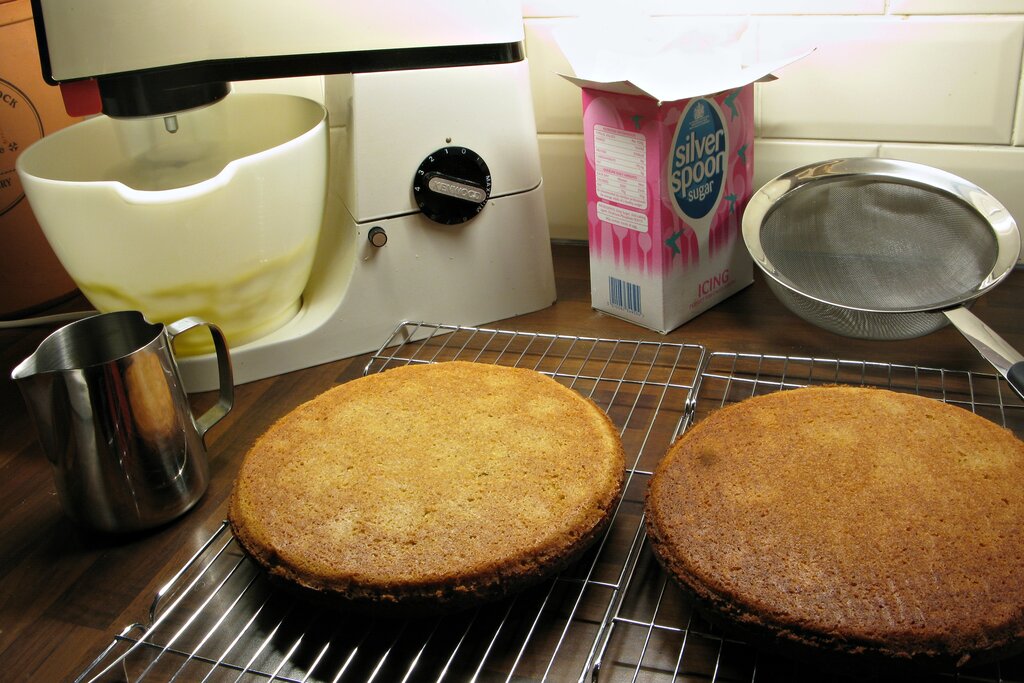
For baking, a stand mixer or a reliable hand mixer is a must. They make quick work of creaming butter and sugar, whipping egg whites, and kneading bread dough. While you can do these tasks by hand, a mixer ensures consistency and saves your arm muscles.
Care and Maintenance
Taking care of your tools ensures they last and perform well. It's a simple habit that pays off.
Knives: Always wash your knives by hand with soap and warm water, and dry them immediately to prevent rust and dulling. Never put them in the dishwasher. Keep them sharp using a honing steel regularly and getting them professionally sharpened once or twice a year.
Cookware: For stainless steel, you can use regular soap and a sponge. For tough, burnt-on spots, a paste of baking soda and water or a specialized cleaner like Bar Keepers Friend works wonders. Non-stick pans should be washed with a soft sponge to avoid scratching the coating. Cast iron requires a special process called seasoning and should never be washed with soap.
Proper maintenance isn't a chore; it's part of the cooking process that respects the tools you rely on.
Store your tools properly. A knife block or magnetic strip keeps knives safe and sharp. Stacking cookware can scratch surfaces, so place a paper towel or cloth between pans if you need to nest them.
Let's review what you've learned about the fundamental tools of the kitchen.
What is considered the single most versatile and essential knife for general kitchen tasks?
To ensure accuracy when baking, you should use a liquid measuring cup with a spout for flour and a dry measuring cup for milk.
With these basics in your kitchen, you're well-equipped to start cooking with confidence.