Master CI/CD with GitLab and Jenkins
Introduction to CI/CD
What is CI/CD?
In modern software development, speed and reliability are everything. That's where CI/CD comes in. It stands for Continuous Integration and Continuous Delivery (or Deployment).
Continuous Integration (CI) is a practice where developers frequently merge their code changes into a central repository. After each merge, an automated build and test sequence runs. This helps catch bugs early, making them easier and cheaper to fix. Think of it like building a puzzle. It's much easier to see if a piece fits right after you pick it up, rather than trying to jam it in after you've already placed fifty other pieces around it.
Continuous Delivery (CD) picks up where CI leaves off. After the code is successfully built and tested, it's automatically released to a staging or production environment. This ensures that a new, working version of the application is always ready to go live. A related term, Continuous Deployment, takes it one step further by automatically deploying every change that passes all tests directly to users.
The core idea is to automate the software delivery process, making it faster, more consistent, and less prone to human error.
The Benefits of a Pipeline
Implementing a CI/CD pipeline brings several major advantages to a development team.
First, it dramatically improves code quality. By running automated tests on every small change, teams can identify and fix bugs almost immediately. This prevents integration problems from piling up and turning into a nightmare to solve later.
Second, it enables faster delivery. Automation removes manual bottlenecks in the release process. New features, bug fixes, and updates can be delivered to users in minutes or hours, not weeks or months. This creates a powerful feedback loop, allowing teams to respond quickly to customer needs.
Finally, it reduces manual errors. Repetitive manual deployments are tedious and prone to mistakes. A CI/CD pipeline executes the same deployment process every single time, ensuring consistency and reliability.
Version Control as the Trigger
CI/CD doesn't work in a vacuum. It's deeply connected to version control systems, with Git being the most common.
In a CI/CD workflow, the version control system acts as the source of truth and the starting point for the pipeline. When a developer pushes a code change (a "commit") to a shared repository, it automatically triggers the CI process. This event acts as a signal to the CI server to fetch the latest code, build it, and run all the associated tests.
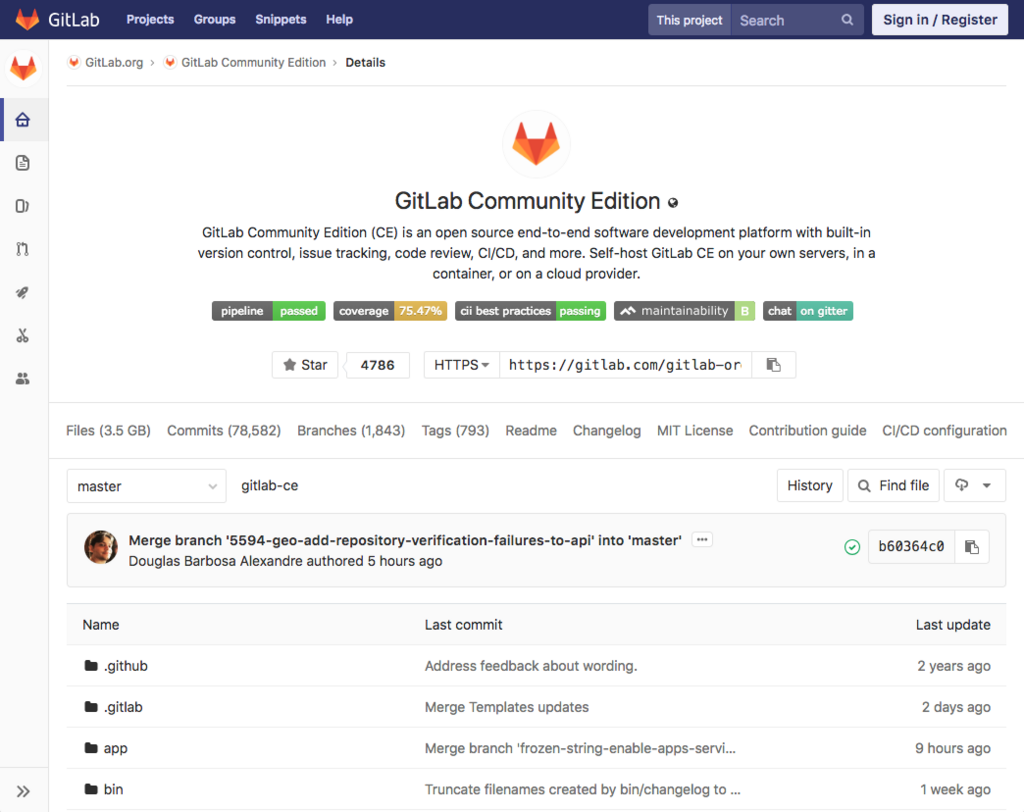
This tight integration ensures that every single change is validated automatically. It shifts the responsibility of running tests from the developer's local machine to a centralized, automated system, creating a reliable and efficient workflow for the entire team.
What does the 'CI' in CI/CD stand for?
What is the primary purpose of Continuous Integration?
In short, CI/CD is a cornerstone of modern software development that allows teams to deliver high-quality software to users faster and more reliably through automation.