Master Builder Mansion Design
Master Builder Foundations
The Master Builder Approach
In today's world, creating a building is a fragmented process. An architect designs, an engineer calculates, and a contractor builds. Each role is separate. The Master Builder, however, unites these roles into one. A Master Builder is the central visionary and creator, guiding a project from the first sketch to the final stone, ensuring a seamless fusion of design, structure, and artistry.
This concept isn't new. Historically, figures like Imhotep in ancient Egypt or the master craftsmen of Gothic cathedrals were Master Builders. They held a holistic understanding of their projects. They knew the materials, understood the structural forces, and possessed the artistic vision to create enduring landmarks. The rise of professional specialization, particularly since the Renaissance, led to the decline of this integrated role, creating the separate disciplines we know today.
Guiding Philosophies
The Master Builder's work is guided by deep-seated principles, not just building codes. One of the most important is the use of sacred geometry. This isn't about religion; it's about using universal patterns and proportions found in nature to create harmony and a sense of order. By basing designs on fundamental shapes like the circle, square, and triangle, architects can create spaces that feel balanced, resonant, and fundamentally right to the human eye.
Sacred geometry translates the patterns of the cosmos into the language of architecture, creating structures that are in tune with the natural world.
Stone and Structure
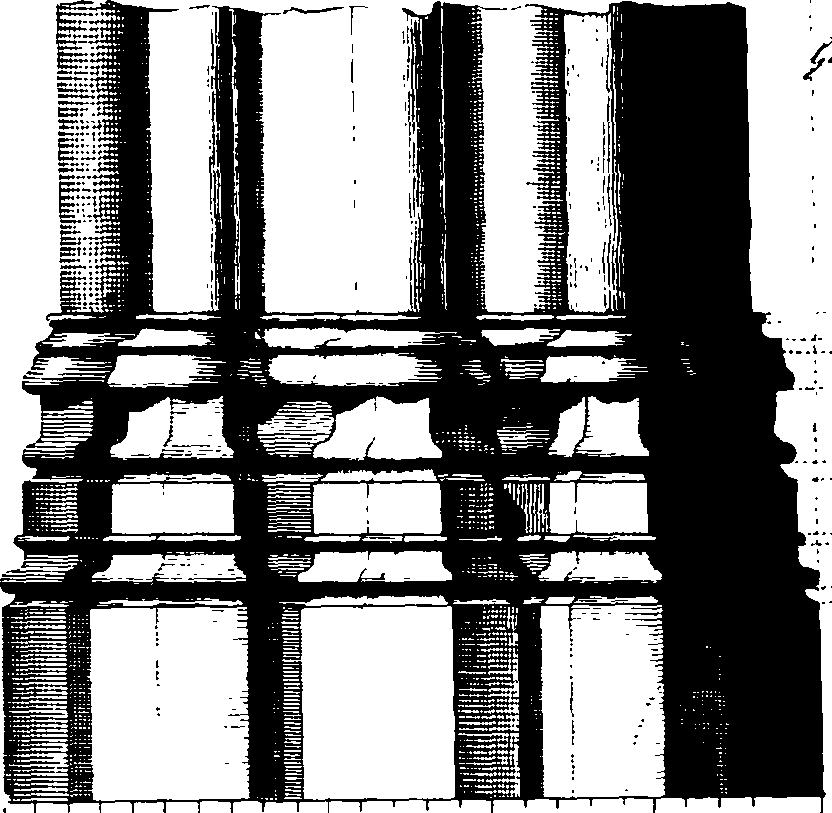
For the Master Builder, materials are not just commodities. They are the vocabulary of the structure. Masonry, in particular, is treated with reverence. An overview of advanced masonry techniques reveals a focus on more than just stacking stones. It's about understanding the unique properties of each type of stone, mastering precise cutting and fitting techniques to create tight joints, and using the material's natural strength and beauty to create structures that last for centuries. This approach blends engineering with artistry.
Building with Nature
A Master Builder's creation never fights its surroundings. Instead, it enters into a dialogue with them. The principles of landscape harmony guide how a structure is placed on the land. This involves studying the natural contours of the site, the path of the sun, prevailing winds, and existing vegetation. The goal is to design a building that seems to grow naturally from its environment. This integration creates a seamless transition between the built and the natural world, enhancing the beauty and performance of both.
With these foundations, the Master Builder approaches each project not as a collection of separate problems, but as a single, unified challenge of creating a harmonious and enduring place.
Time to check your understanding of these foundational concepts.
What is the key characteristic that defines a Master Builder?
The decline of the Master Builder role was primarily caused by the rise of professional specialization.