Master AI Prompting Techniques
Introduction to AI Prompting
What is an AI Prompt?
An AI prompt is simply an instruction you give to an artificial intelligence. It could be a question, a command, or even just a few words to get a conversation started. Think of it like giving directions. If you tell someone to just "drive," they won't know where to go. But if you give them a clear address and a route, they'll get to the right destination.
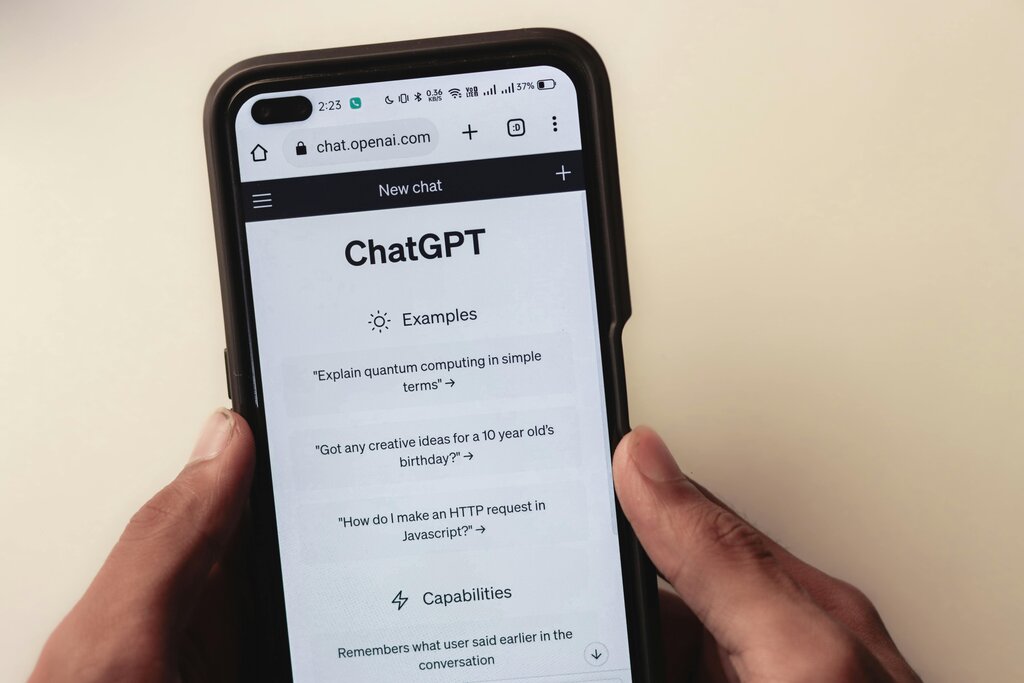
Prompts are the bridge between your thoughts and the AI's output. The AI doesn't know what you want until you tell it. The quality and usefulness of the AI's response—whether it's writing an email, generating an image, or analyzing data—depend almost entirely on the quality of your prompt. This skill of crafting effective instructions is often called prompt engineering.
Prompting is the key skill for effective AI usage: How you phrase instructions makes all the difference in what AI delivers.
Clarity is King
The single most important rule of prompting is to be clear and specific. Vague prompts lead to vague, generic, or unexpected results. The AI has to guess what you mean, and its guess might not be what you had in mind.
For example, consider the difference between these two prompts:
Vague: "Write about business."
Specific: "Write three bullet points for a business presentation on the benefits of using social media for customer engagement."
The first prompt is a huge, open-ended topic. The AI might generate a history of commerce or an essay on corporate structures. The second prompt tells the AI the topic, the format (bullet points), and the specific goal, resulting in a much more useful response.
| Vague Prompt | Specific Prompt | Likely Outcome |
|---|---|---|
| "Tell me about space." | "Explain the concept of a black hole to a 10-year-old in one paragraph." | The specific prompt yields a focused, age-appropriate explanation. |
| "Make a picture." | "Create a digital art image of a futuristic city at sunset, in a vaporwave style." | The specific prompt gives the AI clear direction for the visual style and content. |
Being specific also helps avoid errors. When an AI doesn't have enough information, it might invent details to fill in the gaps—a phenomenon known as "hallucination." Clear instructions ground the AI in facts and context, leading to more accurate and reliable outputs.
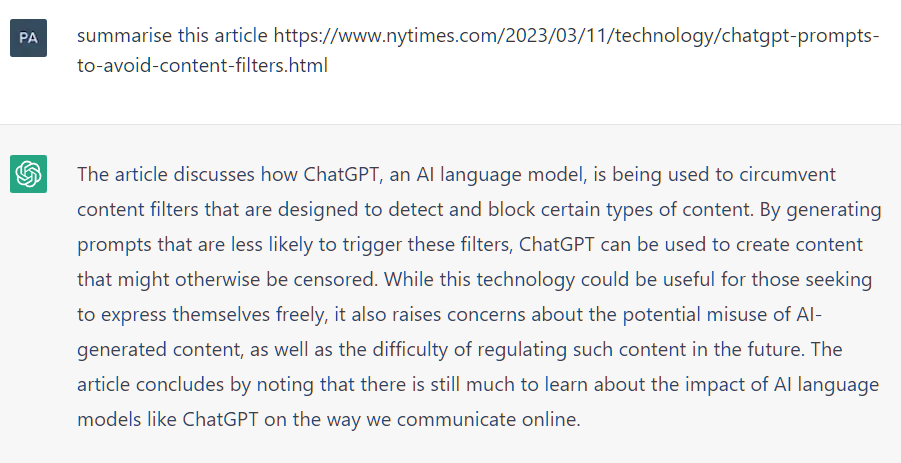
Better Prompts, Better Results
Learning to write good prompts is a fundamental skill for using AI effectively. It’s not about learning a programming language or complex code; it's about learning to communicate clearly. A well-crafted prompt acts as a blueprint, guiding the AI to build exactly what you need.
A good prompt saves you time. Instead of going back and forth with the AI to refine a vague answer, you get a high-quality result on the first try.
As you use AI more, you'll naturally get better at prompting. You'll learn how to add context, define the format you want, and set constraints to get the best possible response. It's an interactive process of learning how the AI "thinks" and adjusting your instructions to match.
What is the primary function of an AI prompt?
Why is being specific in a prompt considered the most important rule?