Master AI Agent Creation
Introduction to AI Agents
What Are AI Agents?
Think of an AI agent as an autonomous employee. It’s a software program designed to perceive its digital environment, make decisions, and take actions to achieve specific goals. Unlike simple automation, which just follows a rigid script of pre-programmed rules, an AI agent can operate independently to solve problems.
At their heart, AI agents are autonomous systems powered by artificial intelligence that perceive their environment, process data, and take actions to achieve specific goals, without constant human oversight.
For example, a simple automation might be set to send an email every Monday at 9 AM. An AI agent, on the other hand, could be tasked with managing an email inbox. It would read incoming messages, prioritize them based on urgency, draft replies for common questions, and flag complex issues for a human colleague. It's not just following orders; it's pursuing an objective.
Core Principles of Agent Design
What truly sets AI agents apart are three core principles that guide their design and behavior.
Autonomy: Agents can operate without direct human intervention. Once given a goal, they have the freedom to figure out the steps needed to reach it.
Adaptability: The digital world is always changing. An effective agent can learn from its experiences and adapt its actions based on new information or unexpected outcomes.
Goal-Orientation: Every agent is driven by a purpose. Whether it's to book a flight, manage inventory, or analyze sales data, its actions are always directed toward achieving a specific, predefined goal.
These principles allow agents to handle complex, dynamic tasks that go far beyond the scope of traditional software. They move from a world of fixed instructions to one of intelligent, goal-driven action.
Types of AI Agents
Not all agents are created equal. They can be categorized based on how they think and act. The three main types are reactive, deliberative, and hybrid.
Reactive Agent
noun
The simplest type of agent. It perceives the current environment and acts based on a set of condition-action rules, essentially following an "if this, then that" logic. It doesn't have memory of past events or a plan for the future.
Deliberative agents are the planners. They maintain an internal model of their world and can think ahead, considering the consequences of their actions to create a sequence of steps to achieve a goal. A travel-booking agent that finds the optimal combination of flights and hotels to minimize cost and travel time is a good example.
Hybrid agents offer the best of both worlds. They combine the quick response of reactive agents with the thoughtful planning of deliberative ones. This allows them to react swiftly to immediate changes while still working toward a long-term goal. A self-driving car is a classic example of a hybrid agent. It must react instantly to a sudden obstacle (a reactive behavior) while also following a planned route to its destination (a deliberative behavior).
| Agent Type | Key Characteristic | Simple Example |
|---|---|---|
| Reactive | Responds to current state | A pop-up ad blocker on a website |
| Deliberative | Plans ahead to achieve goals | A GPS app calculating the best route |
| Hybrid | Combines planning & reacting | A robot vacuum cleaning a room |
Agents in Business Development
In a business context, AI agents are powerful tools for growth and efficiency. They are not just theoretical concepts; they are being applied in practical ways to solve real problems.
In customer service, an advanced chatbot can act as an agent, handling complex queries, processing returns, and personalizing interactions far beyond what a simple FAQ bot could manage.
For supply chain management, an agent can monitor inventory levels, track shipments, and even predict future demand based on market trends and historical data. It can then autonomously place orders to prevent stockouts, ensuring the business runs smoothly.
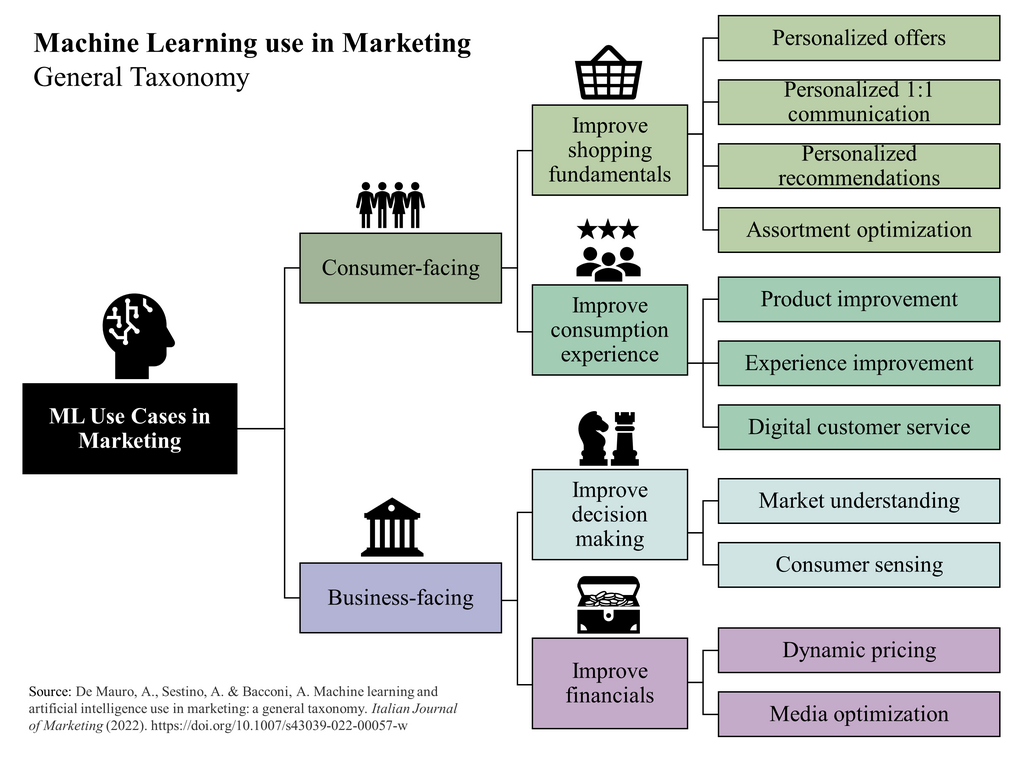
Marketing teams also use agents to automate and optimize campaigns. An agent can analyze customer behavior in real-time, tailoring promotions and content to individual preferences, which leads to higher engagement and sales.
By handling these kinds of complex, goal-oriented tasks, AI agents free up human teams to focus on strategy, creativity, and other high-level work that still requires a human touch.
What is the primary difference between an AI agent and a simple automation script?
A travel-booking system is designed to find the most efficient combination of flights and hotels based on cost and time. It builds a model of its options and plans a sequence of steps to achieve this optimal result. What type of agent does this best describe?