Martial Arts Systems and Applications
Evolution of Mixed Systems
From Style vs. Style to a New Synthesis
For decades, martial arts existed in distinct silos. A karate practitioner trained karate, a boxer trained boxing, and a wrestler trained wrestling. The question of which style was superior was a matter of dojo debates and hypothetical arguments. That all changed when fighters decided to put theory into practice.
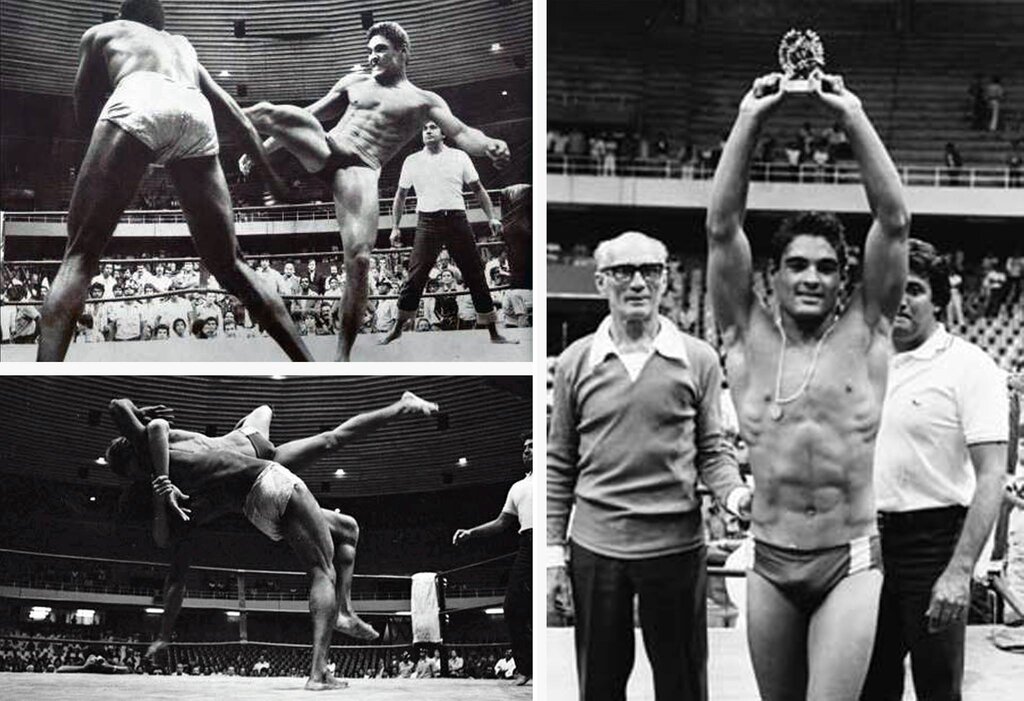
Early no-holds-barred competitions, most famously the events in Brazil and the first Ultimate Fighting Championship (UFC) tournaments in America, provided a brutal and effective laboratory. A karate black belt would face a sumo wrestler; a boxer would fight a jiu-jitsu expert. The results were often surprising and always illuminating. A pure striker, no matter how skilled on their feet, was often helpless once the fight went to the ground. Conversely, a grappler struggled to implement their game if they couldn't get past the kicks and punches of a savvy opponent.
The key takeaway was clear: no single style was a silver bullet. The future belonged to the fighter who could master all phases of combat.
Bridging the Gaps
Modern fighters think in terms of ranges, not rigid styles. Unarmed combat can be broadly broken down into three phases: striking, clinching, and groundwork. The genius of modern mixed martial arts isn't just proficiency in each area, but the ability to transition between them seamlessly. A flurry of punches might be used to set up a takedown. A takedown attempt can be defended and turned into a dominant clinch position, where knees and elbows become a threat. The fight is a fluid dance between these states.
As this new paradigm emerged, two arts proved to be indispensable cornerstones for building a complete fighting system: and Muay Thai.
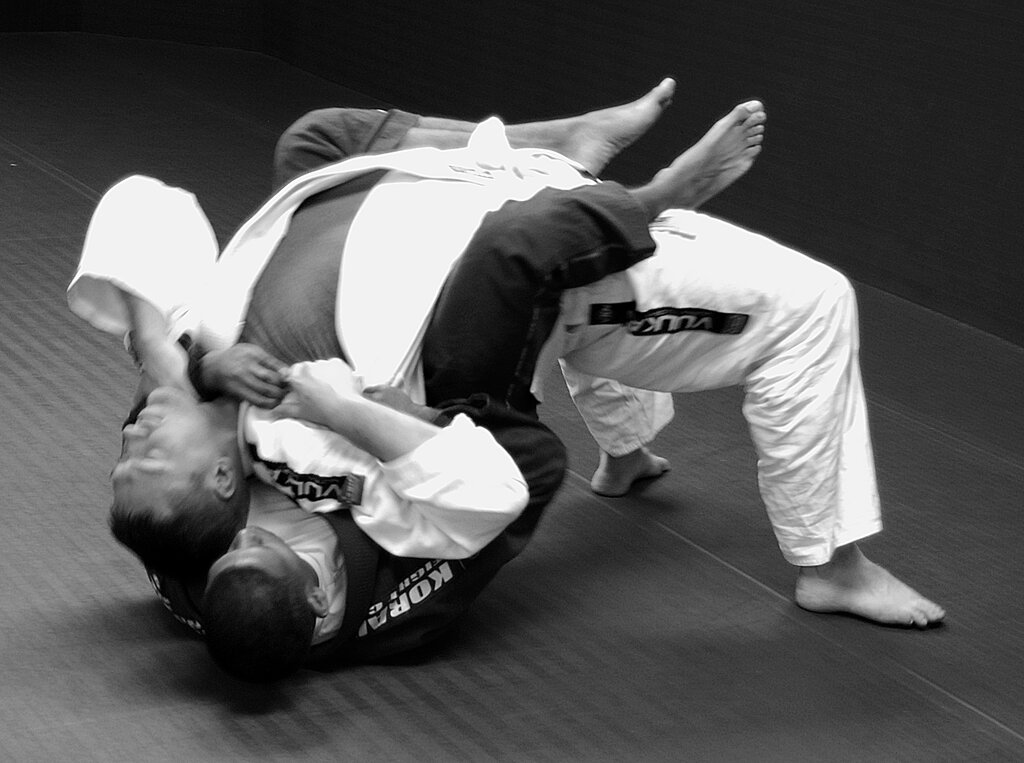
BJJ provided the most comprehensive answer to the question of what to do when the fight hits the mat. Its focus on leverage, position, and submissions gave fighters a reliable system for controlling and finishing opponents on the ground. For striking, many turned to Muay Thai.
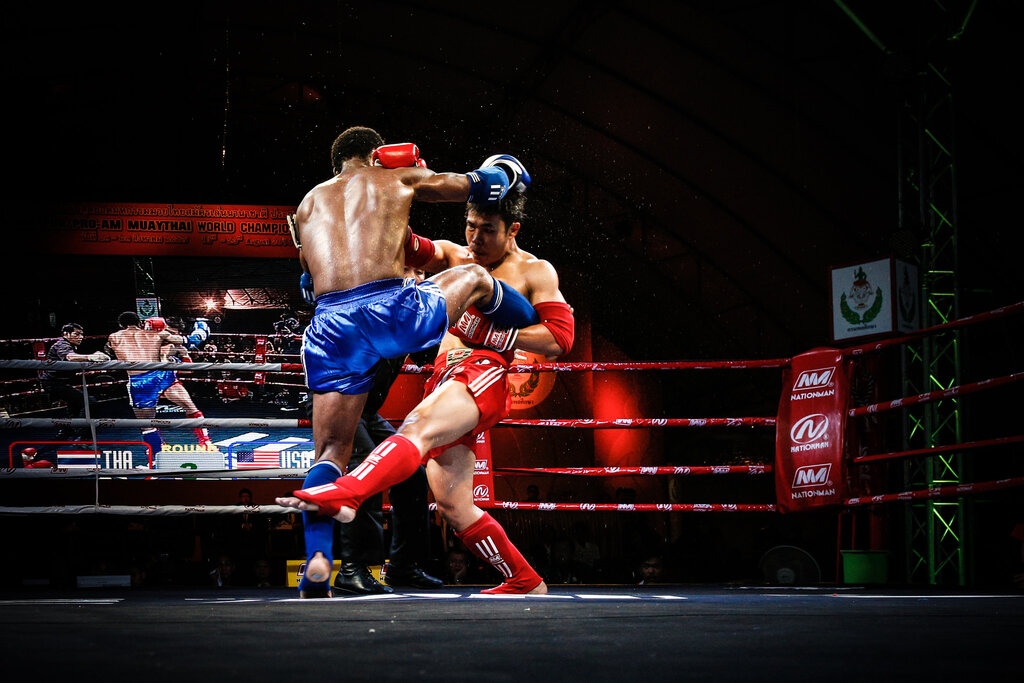
Known as the "Art of Eight Limbs," Muay Thai offered a versatile and powerful striking framework. It utilizes not just punches and kicks, but also devastating knees and elbows, particularly from the clinch. This gave fighters a toolbox to be dangerous at striking distance and in close quarters, providing a perfect complement to BJJ's ground dominance.
MMA integrates techniques from disciplines like Brazilian Jiu-Jitsu, Muay Thai, wrestling, boxing, and more.
Of course, wrestling and boxing remain critical components. Wrestling provides the most effective means of dictating where the fight takes place, whether through offensive takedowns or defensive sprawls. Boxing builds the foundation for footwork, head movement, and punching mechanics. The modern fighter is not just a collection of techniques, but an alchemist who blends these arts into a single, cohesive style that works for them.
This synthesis is the core of modern training. It’s about more than just knowing a few moves from different disciplines; it's about understanding how a jab sets up a leg kick, how a failed takedown can flow into a submission attempt, and how to control an opponent against the cage using wrestling principles. This holistic approach is what defines the evolution from isolated styles to integrated fighting systems.
Ready to test your understanding of how these systems came together?
What was the primary lesson learned from early no-holds-barred competitions like the first UFC tournaments?
According to the text, which art is most crucial for dictating where the fight takes place?
The journey from style-versus-style matchups to a fully integrated approach marks the single biggest evolution in modern martial arts. Understanding this history is the first step toward building your own effective, personalized practice.