Martial Arts Fundamentals and Disciplines
Historical Evolution
From Battlefield to Dojo
The earliest records of systematic fighting styles date back over 5,000 years. Tomb paintings in Egypt and stone carvings in Mesopotamia from around 3000 BCE depict soldiers practicing wrestling, grappling, and striking techniques. These were not sports but essential skills for survival and warfare. Their purpose was brutally practical: to dominate an opponent on the battlefield.
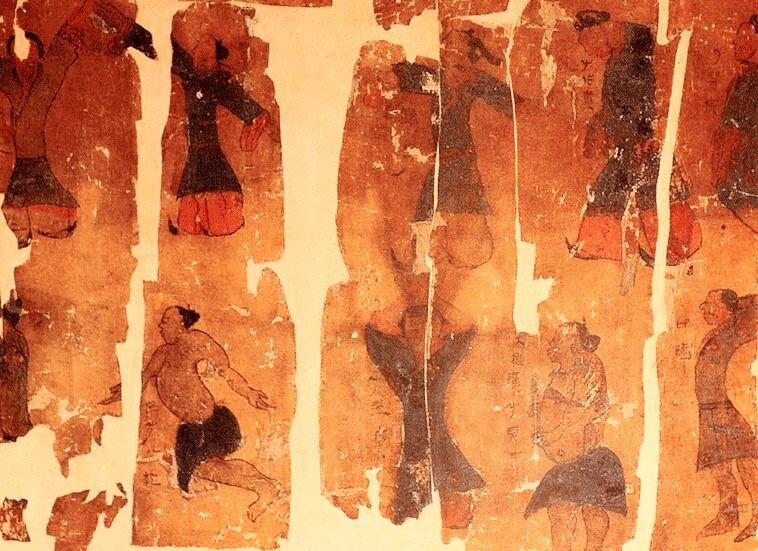
As civilizations grew, these combat methods evolved. In China and India, disciplines like Kalaripayattu and early forms of Kung Fu took shape, blending physical combat with philosophical and health-focused principles. This development was accelerated by trade and travel. The Silk Road was not just a conduit for goods like silk and spices; it was an information highway for culture, philosophy, and martial knowledge. Monks, merchants, and soldiers carried techniques across Asia, leading to a cross-pollination of fighting styles. Indian grappling methods influenced Chinese systems, which in turn found their way to Japan.
The Art of Yielding
In feudal Japan, this exchange culminated in the development of Ju-Jitsu, often translated as the "art of yielding" or "gentle art." Developed for the samurai class, it was a comprehensive system for unarmed combat, designed to be effective against an armored opponent. The core principle was to use an attacker's momentum and force against them, rather than meeting force with force. This involved joint locks, chokes, and throws—techniques that could incapacitate an opponent without relying on pure strength.
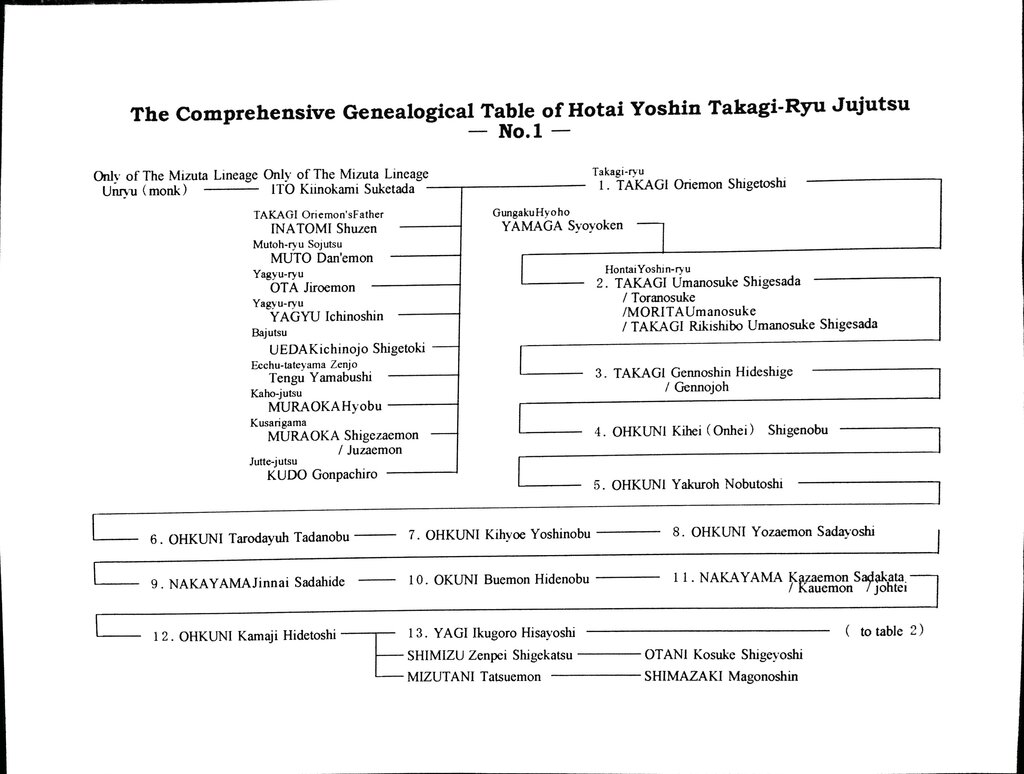
This martial practice was deeply intertwined with the samurai's code of conduct: Bushido, or "the way of the warrior." Bushido was not just about combat proficiency; it was a moral and ethical framework emphasizing virtues like loyalty, honor, and self-discipline. A samurai's skill in Ju-Jitsu was a reflection of their inner control and dedication to this code. The art was a tool, but the mindset was what defined the warrior.
The Modern Shift
By the late 19th century, Japan was undergoing rapid modernization. The samurai class was dissolved, and many traditional martial arts faced obsolescence. A young educator named saw value in the principles of Ju-Jitsu but believed its often-brutal techniques needed refinement for a new era. He envisioned a system that could be practiced safely as a form of physical education and moral development.
In 1882, Kano established his own school, the Kodokan, and introduced his new art: Judo. He removed the most dangerous strikes and locks, creating a sport focused on throws, pins, and submissions that could be practiced with full intensity without causing serious injury. Judo quickly became a cornerstone of the Japanese physical education system and spread globally.
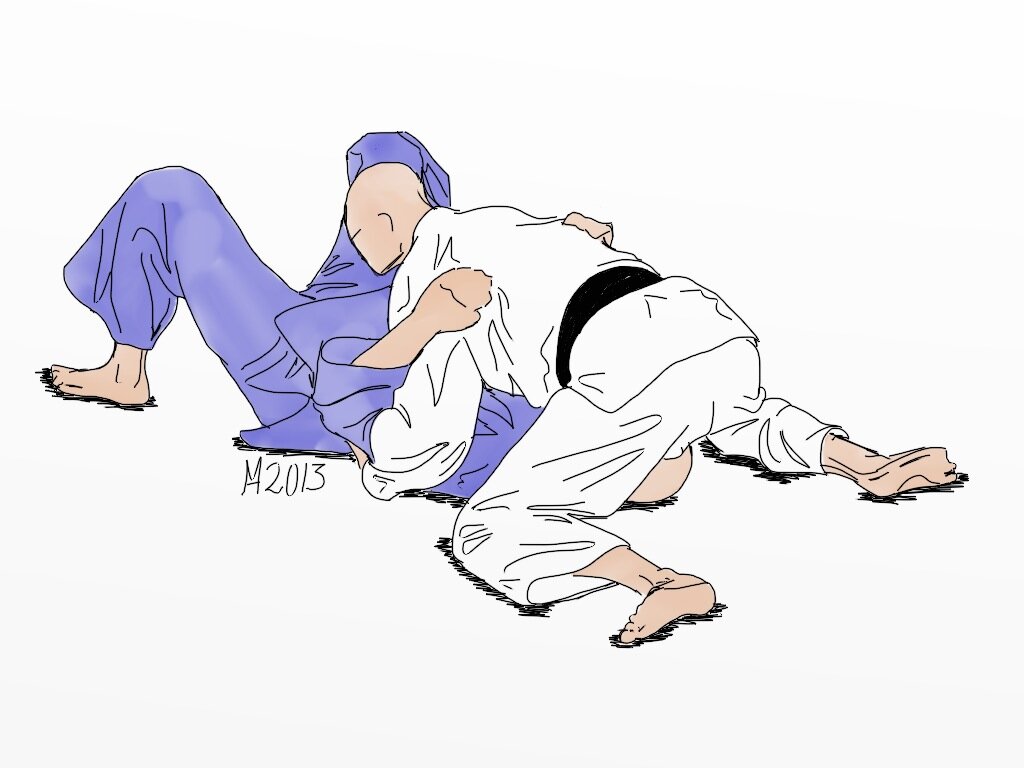
One of Kano's top students, Mitsuyo Maeda, traveled the world, accepting challenges from fighters of all styles. In 1914, he landed in Brazil and began teaching his art to the sons of a local businessman, Gastão Gracie. The Gracies, particularly the frailest son, Hélio, adapted Maeda's techniques, further refining the principles of leverage and ground fighting. They focused relentlessly on what worked in a real, no-rules fight. This gave birth to Brazilian Jiu-Jitsu (BJJ), a style that would prove revolutionary.
Globalization of Combat
While BJJ was quietly developing in Brazil, other arts were on their own journeys. In Thailand, the ancient battlefield art of Muay Boran evolved into Muay Thai, the country's national sport. Known as the "Art of Eight Limbs," it uses fists, elbows, knees, and shins to create a powerful striking system. Like Judo, it was codified with rules to allow for competition while retaining its brutal effectiveness.
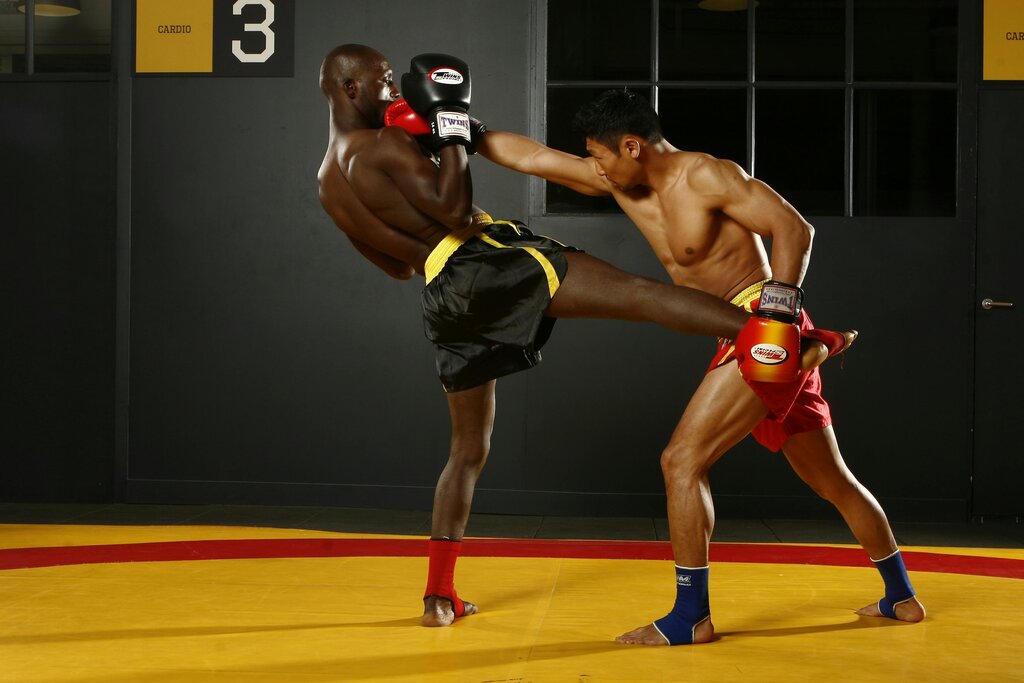
The 20th century saw these distinct styles collide. The rise of Mixed Martial Arts (MMA), particularly through promotions like the UFC, created a new kind of laboratory. It pitted specialists against each other: a boxer vs. a wrestler, a karateka vs. a BJJ practitioner. The result was a rapid, pressure-tested evolution. Fighters quickly learned that no single art had all the answers. The modern martial artist now trains across disciplines, blending the striking of Muay Thai, the wrestling of the West, the throws of Judo, and the ground game of BJJ. What began as a means of battlefield survival has evolved into a global sport and a path for personal development, a journey from raw combat to a refined art.
The fusion of traditional practices with modern sensibilities continues to shape martial arts.
Ready to test your knowledge on the evolution of martial arts?
According to the earliest records from Egypt and Mesopotamia, what was the primary purpose of the first systematic fighting styles?
What was the significance of the Silk Road in the history of martial arts?