Marshallese and English Bilingual Tales
Introduction to Marshallese Culture
A World of Water and Sand
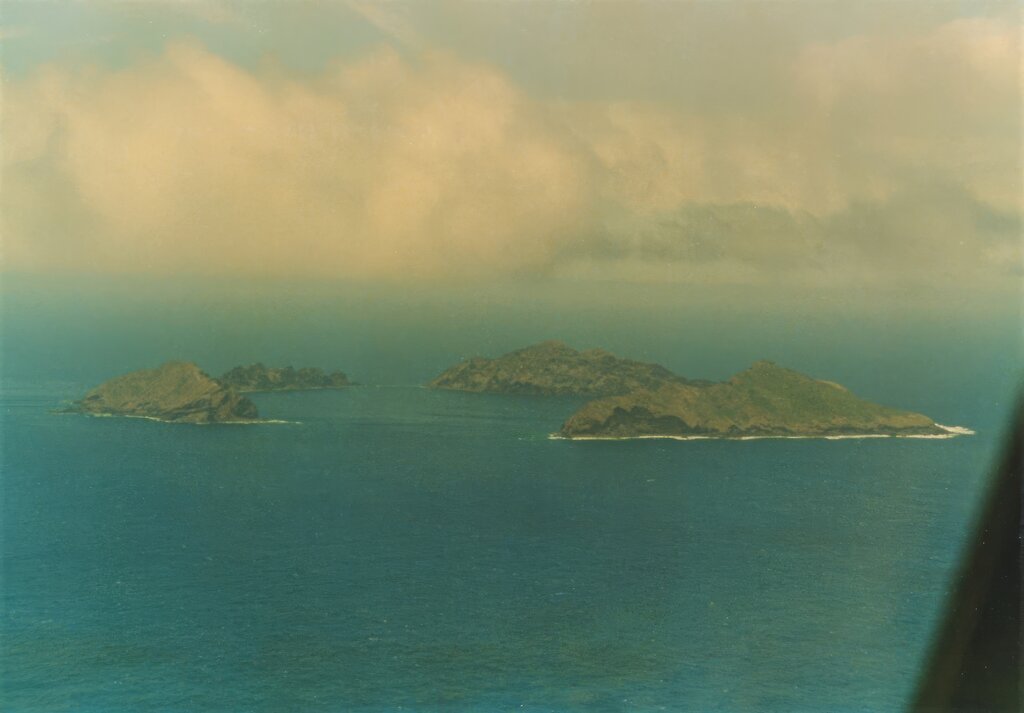
The Republic of the Marshall Islands isn't a single landmass, but a sprawling nation of coral atolls and islands scattered across the Pacific Ocean. Imagine two parallel chains of islands, the Ratak (Sunrise) and Ralik (Sunset), adrift in an area of water larger than Texas. In total, the land area is only about 70 square miles, roughly the size of Washington, D.C. This unique geography is the foundation of Marshallese life and culture.
Atoll
noun
A ring-shaped coral reef, island, or series of islets that surrounds a lagoon either partially or completely.
These atolls are the remnants of ancient volcanoes that have sunk back into the sea, leaving behind rings of coral that grew around their peaks. Life here is lived in close connection with the ocean, which provides sustenance, dictates travel, and shapes the worldview of its people.
The first settlers arrived thousands of years ago, masters of open-ocean navigation who used sophisticated knowledge of waves and stars to find these tiny specks of land. For centuries, Marshallese society developed in relative isolation. That changed in the 16th century with the arrival of European explorers. Spain, Germany, Japan, and finally the United States all claimed the islands, each leaving its mark. World War II saw fierce fighting here, and the post-war era brought the trauma of U.S. nuclear testing, which displaced communities and left a lasting environmental and health legacy.
Life and Customs
Marshallese society is traditionally organized around clans, with social standing and land rights passed down through the mother's side. This is known as a matrilineal system. The family and the community are paramount, and values like respect for elders and sharing are deeply ingrained.
Land is the most precious resource, connecting families to their heritage and sustenance. Each person has a role and a right to the land through their clan, known as a jowi. This intricate system of kinship and land tenure forms the bedrock of social life.
Community harmony and cooperation are central to Marshallese culture. Individual needs are often secondary to the well-being of the group.
The Spoken Record
For most of its history, the Marshallese language was not written down. History, genealogy, navigation techniques, and moral lessons were all preserved and passed down through oral storytelling. Narratives are more than just entertainment; they are a living library, the primary way of transmitting essential knowledge from one generation to the next.
Storytellers hold a respected place in society. They are the keepers of myths about the creation of the islands, legends of heroic figures, and the detailed histories of different clans. Through chants, songs, and stories, they ensure that the wisdom of the ancestors is not forgotten.

One of the most remarkable forms of this knowledge is embodied in stick charts. These are not maps in the conventional sense. Instead of showing landmasses, they map the ocean itself, showing how swells and currents interact with islands. Navigators would memorize these patterns and use them to find their way across vast distances of open water. The charts were mnemonic devices, physical objects that encoded and triggered complex oral knowledge.
Time to check your understanding of the Marshall Islands.
The Republic of the Marshall Islands consists of two parallel chains of islands and atolls. What are they called?
What major event in the post-World War II era significantly impacted the Marshall Islands, leading to displacement and long-term health and environmental issues?
Understanding this background of geography, history, and the power of oral tradition is the first step in appreciating the depth and meaning of Marshallese stories.