Marketplace Growth Strategies
Introduction to Online Marketplaces
The Modern Town Square
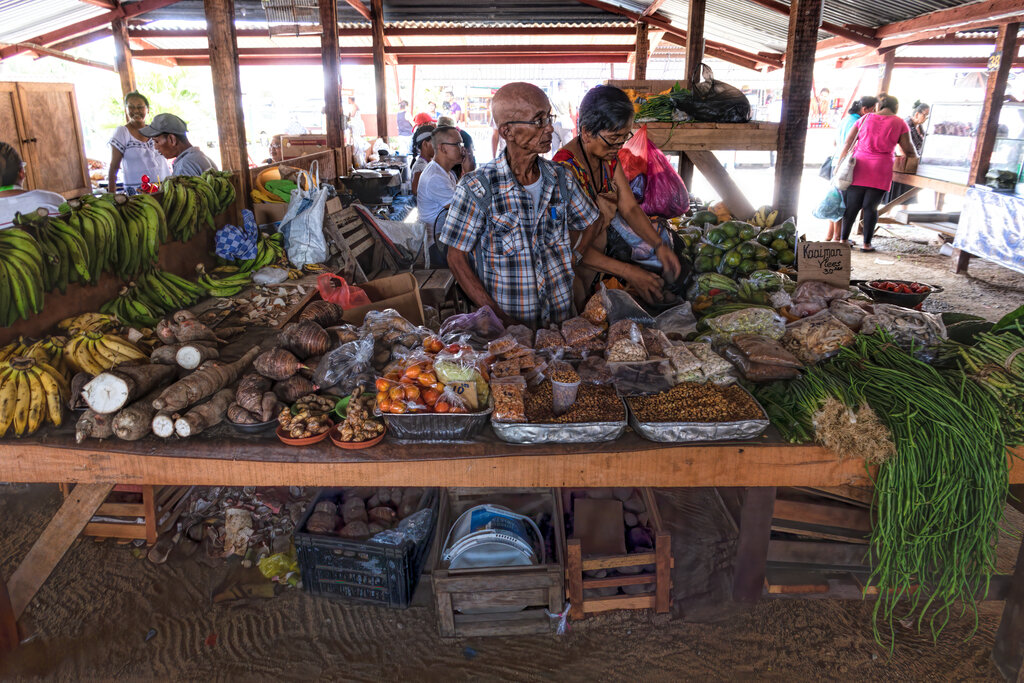
Imagine a bustling town square from centuries ago. You'd find farmers selling produce, artisans showcasing their crafts, and townspeople browsing for goods they couldn't make themselves. The square was a central hub for commerce, connecting people who had something to sell with people who wanted to buy.
An online marketplace is the digital version of that town square. It's a website or app that brings together multiple sellers and buyers in one place. Instead of setting up a physical stall, sellers create digital storefronts. Instead of walking from vendor to vendor, buyers can browse thousands of options with a few clicks.
Online marketplaces bring together products and services from multiple sellers on a single eCommerce site.
This model is incredibly powerful because it creates a single destination for a specific need. If you want to buy a handmade gift, you go to Etsy. If you need a ride, you open Uber. If you’re looking for a place to stay on vacation, you check Airbnb. These platforms don't own the products or services themselves; they create the environment where transactions can happen easily and safely.
The Three Key Players
Every successful marketplace, whether it's a village bazaar or a global e-commerce site, depends on three essential groups working together.
1. Sellers (or Producers): These are the individuals or businesses that provide the goods or services. This could be a craftsperson on Etsy, a driver for Lyft, a freelance writer on Upwork, or a homeowner on Airbnb. They join the platform to reach a larger audience than they could on their own.
2. Buyers (or Consumers): These are the people looking to purchase a product or service. They come to the marketplace for convenience, a wider selection, and often, competitive pricing.
3. The Platform Operator: This is the company that owns and runs the marketplace. They are the market managers, responsible for building and maintaining the technology, processing payments, setting the rules of engagement, and creating a trustworthy environment for both buyers and sellers.
Different Flavors of Marketplaces
Just like physical markets can range from a local farmer's market to a giant shopping mall, online marketplaces come in many forms. They can be categorized based on who they serve and what they sell.
| Category | Description | Examples |
|---|---|---|
| By Customer | Who is buying from whom? | B2C (Business-to-Consumer): Amazon B2B (Business-to-Business): Alibaba C2C (Consumer-to-Consumer): eBay |
| By Product | What is being sold? | Goods: Wayfair (furniture) Services: TaskRabbit (local tasks) Digital: Apple App Store (apps) |
| By Focus | How specialized is the market? | Vertical (Niche): StockX (sneakers) Horizontal (General): Amazon (everything) |
Vertical, or niche, marketplaces focus on a specific category, aiming to provide the best possible experience for that one area. Horizontal marketplaces, on the other hand, offer a vast range of products, like a digital department store.
The Economic Impact
The rise of online marketplaces has profoundly changed how we shop, work, and interact. They have lowered the barrier to entry for entrepreneurs, allowing anyone with a product or skill to reach a global audience. For consumers, they provide unprecedented choice and convenience.
This shift has created what's known as the "platform economy," where value is created by facilitating connections rather than by producing goods directly. As technology continues to evolve, these marketplaces will likely become even more integrated into our daily lives, shaping the future of commerce.
The marketplace model has powered the growth of some of the world's largest companies by creating efficient, scalable ecosystems for trade.
Understanding how these digital platforms work is the first step to seeing the opportunities they present, whether you're a potential seller, a buyer, or just curious about the forces shaping modern business.