Marketing Your Home Inspection Business
Understanding Home Inspection Services
For the Buyer
The most common service is the pre-purchase inspection. This is for the home buyer. After their offer is accepted, a buyer hires an inspector to get a detailed, objective look at the property's condition before the sale becomes final. It’s like taking a used car to a trusted mechanic before you buy it.
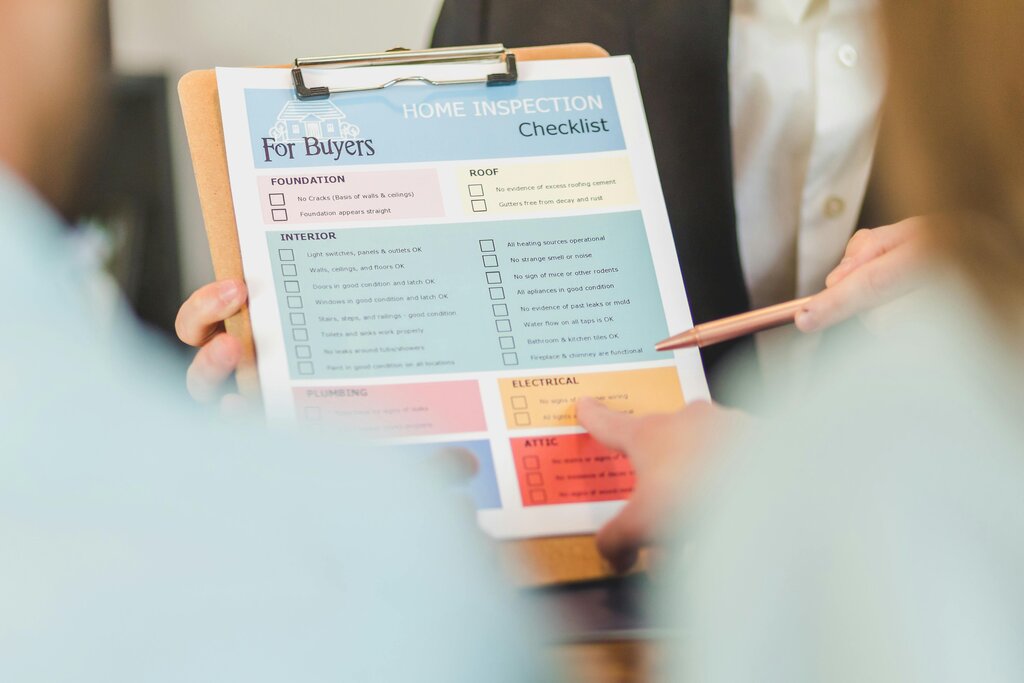
The inspector walks through the entire property, from the roof to the foundation, examining its major systems. This includes the plumbing, electrical wiring, HVAC (heating, ventilation, and air conditioning), and structural components. They look for signs of significant damage, safety hazards, and things that aren't working as they should.
The goal isn't to find every tiny flaw. It's to uncover issues that might be expensive to fix or could pose a danger. After the inspection, the buyer receives a detailed report. This report empowers them to either move forward with the purchase confidently, negotiate for repairs, or, in some cases, back out of the deal if the problems are too severe.
For the Seller
Sellers can also hire a home inspector. This is called a pre-listing inspection. It happens before the house even goes on the market. Why would a seller do this? It gives them a heads-up about any potential problems that a buyer's inspector would likely find later.
Knowing about issues in advance allows the seller to either fix them beforehand or price the home accordingly, preventing last-minute surprises that could derail a sale.
A pre-listing inspection can make the selling process smoother. It shows potential buyers that the seller is transparent and has taken good care of the property. This can build trust and might even lead to a faster sale.
Specialized Checks
Sometimes, a standard inspection isn't enough. Home inspectors often offer specialized evaluations for specific concerns, usually for an additional fee. These aren't always necessary, but they can be crucial in certain situations or geographic areas.
Common specialized tests include:
- Radon testing: Radon is an invisible, odorless radioactive gas that can seep into homes from the ground. Long-term exposure is a health risk. An inspector can test the air for radon levels.
- Mold testing: If there are signs of water damage or a musty smell, a mold inspection can determine if there's a problem and how widespread it is.
- Pest inspections: This looks for evidence of wood-destroying insects like termites or carpenter ants.
- Sewer scope: A tiny camera is sent down the main sewer line to check for blockages, cracks, or tree root intrusion.
- Well and septic system inspections: For rural properties, these ensure the private water and waste systems are functioning properly.
The Inspector's Role
Ultimately, a home inspector provides crucial information. They are a neutral, third-party expert whose job is to assess the physical condition of a property. They don’t decide if a house is a good deal, but they provide the data needed for buyers and sellers to make informed decisions.
An in-depth home inspection is essential to identify any potential issues such as structural problems, outdated systems, or necessary repairs.
This service is a key part of the real estate process. It protects the buyer from unexpected costs and gives the seller a clearer picture of their property's standing. It’s an investment in peace of mind during one of the largest financial transactions a person can make.
Time to review what you've learned.
What is the primary purpose of a pre-purchase home inspection?
A seller who hires an inspector before the house is on the market is getting a ____ inspection.
By offering these core services, home inspectors play a vital role in ensuring a fair and transparent real estate market.