Marketing Point of Care Diagnostics
Introduction to Point-of-Care Molecular Diagnostics
Diagnostics Beyond the Lab
Imagine going to a clinic, getting a swab, and receiving a precise diagnosis within an hour, instead of waiting days for a lab to call back. That’s the power of point-of-care (POC) molecular diagnostics. It’s a fancy term for a simple idea: performing complex medical tests right where the patient is, whether that's a doctor's office, a rural clinic, or even at home.
These tests don't just look at symptoms; they analyze biological molecules like DNA and RNA. This allows for highly accurate detection of diseases, genetic markers, or pathogens. By moving this powerful technology out of centralized laboratories and closer to the patient, healthcare providers can make faster, more informed decisions. This speed can be critical, leading to quicker treatment, better patient outcomes, and more efficient healthcare.
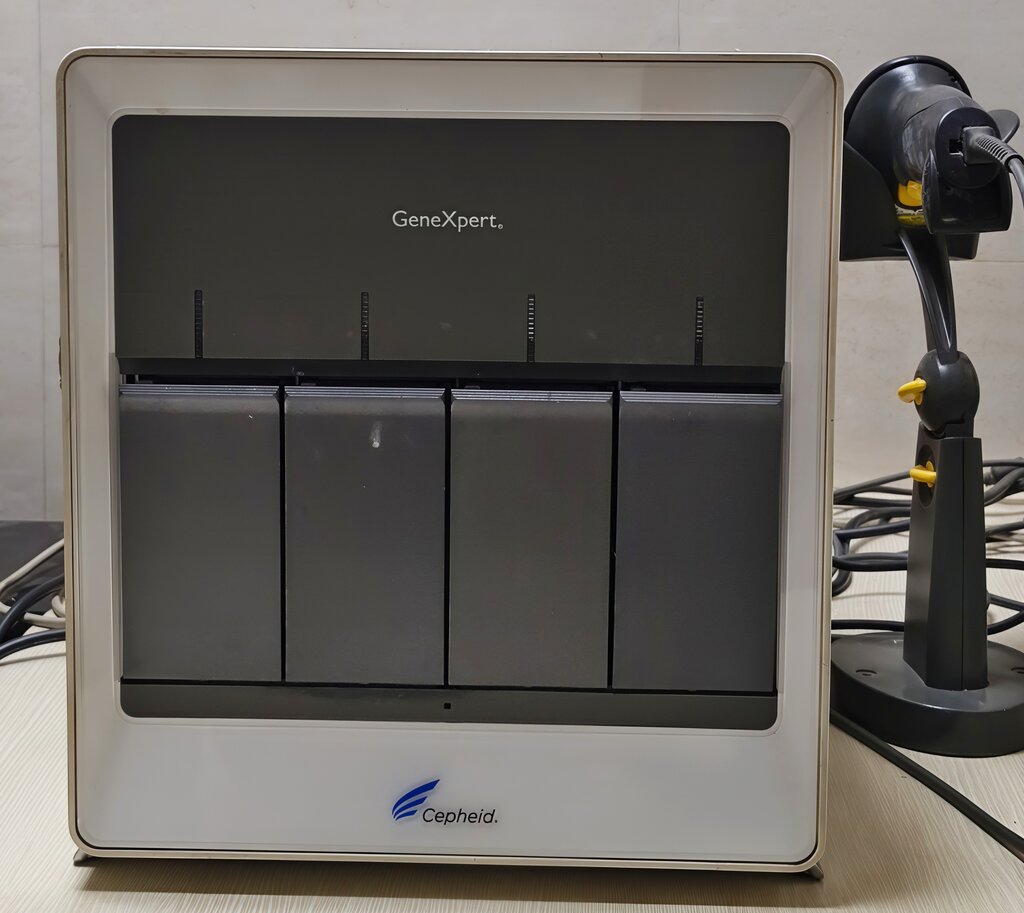
How Technology Shrank the Lab
For decades, molecular testing required large, expensive equipment and highly trained technicians. A process like polymerase chain reaction (PCR), which amplifies tiny amounts of DNA to detectable levels, was confined to specialized labs. But thanks to major technological leaps, these complex workflows have been miniaturized and automated.
Modern POC devices pack the power of a lab into a small, user-friendly machine. They use microfluidics to handle tiny liquid samples and have simplified software that guides the user through the process. Everything from sample preparation to analysis happens inside a self-contained cartridge. This automation reduces the chance of human error and makes sophisticated testing accessible to a much wider range of healthcare professionals.
Applications in Healthcare
Point-of-care molecular diagnostics are transforming many areas of medicine. Their applications are broad and continue to grow.
Infectious Diseases: Rapid tests for flu, strep throat, COVID-19, and HIV allow for immediate treatment decisions, helping to control outbreaks and reduce the spread of disease.
Oncology: Some POC devices can detect specific genetic mutations in tumors from a simple blood draw. This helps doctors choose the most effective cancer therapies for individual patients.
Prenatal Testing: Non-invasive prenatal tests can be performed at the point of care to screen for genetic conditions in a fetus, providing expectant parents with timely information.
By bringing advanced diagnostic capabilities directly to the patient, these technologies empower clinicians, improve access to care, and streamline the entire diagnostic process.
What is the primary advantage of point-of-care (POC) molecular diagnostics compared to traditional laboratory testing?
Which technological advancement was crucial for making complex processes like PCR accessible for point-of-care use?
Now that you understand the fundamentals of point-of-care diagnostics, we can explore what it takes to bring these innovative products to market.