Marketing Management Essentials
Introduction to Marketing Management
What is Marketing Management?
Marketing management is the art and science of choosing target markets and getting, keeping, and growing customers. It's about creating, delivering, and communicating superior customer value. Think of it as the bridge between a company's products or services and the people who need them.
Marketing Management
noun
The process of planning and executing the conception, pricing, promotion, and distribution of ideas, goods, and services to create exchanges that satisfy individual and organizational objectives.
At its core, marketing management is about understanding people. What are their needs, wants, and demands? How can your organization solve their problems or make their lives better? Answering these questions is the first step toward building a successful business strategy. It’s not just about selling what you make; it's about making what you can sell.
Why Marketing Matters
Marketing is much more than just advertising and promotion. It's a fundamental part of a business's overall strategy. A solid marketing plan acts as a roadmap, guiding how a company will reach its customers and achieve its goals. It informs everything from product design to customer service.
Effective marketing management helps a company build a strong brand reputation, foster customer loyalty, and stand out in a crowded marketplace. It uses data and customer feedback to make informed decisions, reducing risk and increasing the chances of success. By understanding the market, a business can adapt to changes, spot new opportunities, and drive sustainable growth.
Ultimately, marketing connects the entire organization to the voice of the customer.
Core Functions
Marketing management involves several key activities that work together to bring a product or service to market successfully. These functions ensure that the company is offering the right thing, to the right people, at the right price, and in the right place.
| Function | Description |
|---|---|
| Market Research | Gathering and analyzing information about customers, competitors, and the market. |
| Product Development | Creating or modifying products and services to meet customer needs. |
| Promotion | Communicating the value of the product through advertising, PR, and sales. |
| Distribution | Making the product available to customers through the right channels. |
Think of these as building blocks. Market research is the foundation—it’s how you learn what to build. Product development is the process of constructing the solution. Promotion is how you tell people about what you've built. And distribution is the system that delivers it to their doorstep.
Evolving Philosophies
The way companies think about marketing has evolved significantly over time. These different approaches, or philosophies, show a shift from focusing on the company's needs to focusing on the customer's needs and even society's well-being.
Let's break these down:
- Production Concept: This is one of the oldest ideas. The focus is on mass production and efficiency, assuming customers will favor products that are widely available and inexpensive. It works best when demand exceeds supply.
- Product Concept: Here, the belief is that consumers will favor products offering the highest quality, performance, and features. Companies put their energy into making superior products and improving them over time.
- Selling Concept: This approach assumes that consumers won't buy enough of the firm's products unless it undertakes a large-scale selling and promotion effort. The aim is to sell what the company makes, rather than making what the market wants.
- Marketing Concept: This marks a major shift. Instead of a "product-centered" view, it's a "customer-centered" one. The goal is to be more effective than competitors in creating, delivering, and communicating customer value to your chosen target markets.
- Societal Marketing Concept: The most modern philosophy, this concept holds that marketing strategy should deliver value to customers in a way that maintains or improves both the consumer's and society's well-being. It adds a long-term, ethical consideration to the marketing concept.
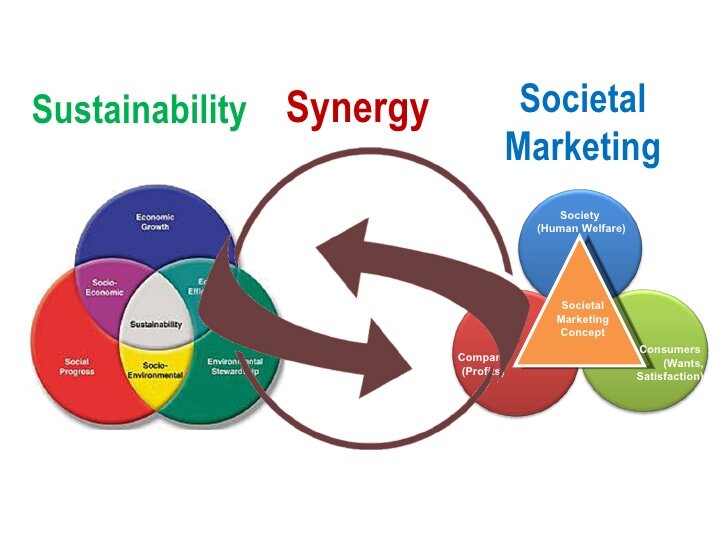
Understanding these philosophies helps explain why different companies act the way they do. Most successful modern businesses operate under the marketing or societal marketing concepts, recognizing that long-term success comes from satisfying customer needs responsibly.
Now, let's test your knowledge of these foundational concepts.
What is the primary focus of marketing management?
A technology company pours all its resources into creating a smartphone with the most advanced features and highest performance, assuming that this alone will make it a market leader. Which marketing philosophy is this company following?
Marketing management is a dynamic field that is essential for any organization aiming to thrive. By understanding customer needs and aligning business activities to meet them, companies can build lasting relationships and achieve their strategic goals.